
 EN
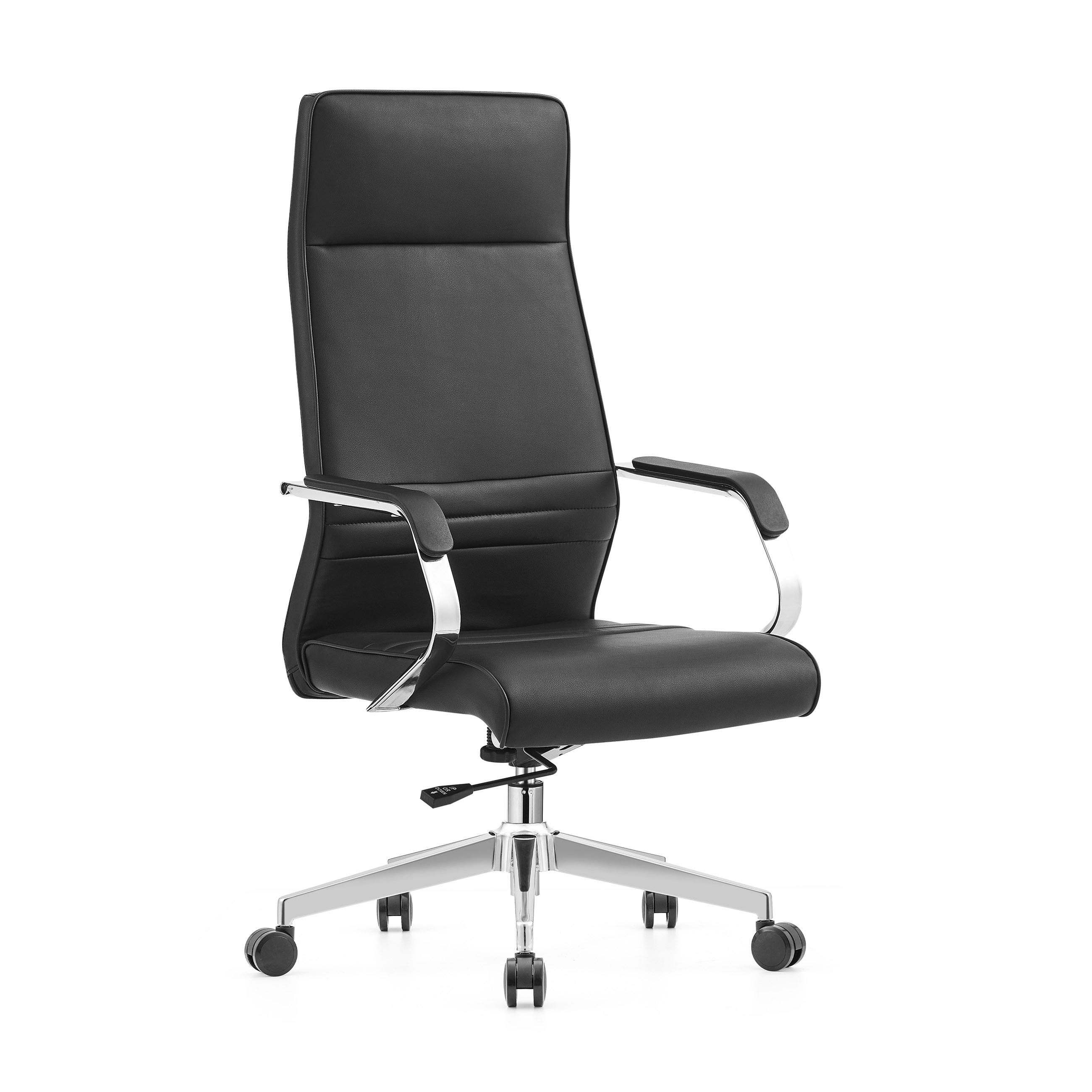
Full-time remote engineers, taller and larger professionals, livestream broadcasters, and executive home-office buyers log fifty to sixty seated hours every single week—far exceeding light occasional home use. Supplying a true heavy duty office chair for home office channels gives B2B furniture brands, ergonomic dealers, and corporate wellness programs a premium, low-return seating tier built around commercial steel and aluminum structural bones.
Structural Breakdown Points in Standard Retail Home Chairs
Entry-level home-office chairs built to hit discount retail price tags fail predictably when subjected to ten-hour daily remote workdays or users above 110 kg (240 lbs).
Warped Stamped Tilt Plates and Lateral Seat Tilt
Standard 1.8 mm stamped sheet-metal butterfly tilt mechanisms bend gradually when users lean slightly off-center or recline deeply during video briefings. Within months, the seat pan develops a permanent three-degree sideways list that triggers sciatic hip discomfort and metallic grinding noises.
Cracked Polypropylene Armrest Brackets and Torn Seat Mesh
Bolt-on plastic L-brackets supporting fixed loop armrests flex outward and fracture whenever larger users push down on armrests to stand up, while low-tension staple-tacked mesh or thin plywood seat pans sag onto underlying metal control boxes.
Five Structural Advantages of a Heavy Duty Home Office Chair
Upgrading internal chassis metallurgy and base architecture delivers five decisive structural advantages for demanding home-workspace users.
|
Structural Advantage |
Heavy Duty Seating Engineering |
Full-Time Remote User Benefit |
|
Die-Cast Aluminum / Steel Base |
350 mm radius reinforced metal or 30%-GF nylon 5-star base |
Zero leg fracture risk; passes >11,300 N static proof loads |
|
Thick-Gauge Synchro Chassis |
3.0–3.5 mm heavy steel plate + enclosed torsion springs |
Rock-solid zero-play recline with zero sideways seat list |
|
Class 4 Heavy-Wall Cylinder |
Heat-treated 2.5 mm steel wall pneumatic lift (TÜV/BIFMA) |
Smooth height retention for users up to 150–181 kg |
|
Steel-Core Armrest Uprights |
Internal die-cast aluminum/steel arm stems + 3D/4D PU pads |
Supports full push-off standing leverage without flexing |
|
Reinforced Seat Pan & Foam |
Thick engineered shell + 50–55 kg/m³ cold-cured foam |
Eliminates seat bottoming across 10-hour daily workdays |
1. Reinforced 350 mm Five-Star Bases and Heavy-Load PU Casters
Heavy duty home chairs widen the five-star base footprint to a full 700 mm overall diameter fabricated from rib-webbed die-cast aluminum, welded tubular steel, or virgin 30%-glass-filled nylon—paired with thick 11 mm steel-stem quiet polyurethane casters that protect residential hardwood floors under higher wheel loads.
2. Three-Millimeter Steel Synchro-Tilt Mechanism Housings
Replacing light butterfly plates with a heavy 3.0 mm to 3.5 mm cold-rolled steel synchronized-tilt chassis—supporting a smooth 2:1 back-to-seat recline ratio and four-position steel locking pins—eliminates lateral play, rocking clunks, and torsion-bar fatigue over years of intensive remote work.
3. Class 4 Heat-Treated Steel Pneumatic Cylinders
Heavy duty configurations standardize on TÜV-certified DIN 4550 Class 4 gas lifts featuring seamless 2.5 mm thick heat-treated steel outer cylinders, heavy-duty piston rods, and multi-lip nitrogen seals engineered for over 120,000 swivel and vertical actuation cycles.
4. Metal-Core Armrest Brackets Anchored Into Steel Weld Nuts
Instead of threading armrest bolts into plastic inserts embedded in thin wood, heavy duty seat pans weld or swage thick steel mounting plates underneath, anchoring internal aluminum or steel armrest uprights that shrug off daily push-to-stand body leverage.
5. Coordinated Workstation Strength and Mail-Order Protection
Remote professionals upgrading to heavy duty seating frequently pair chairs with equally rigid steel workstations and rolling file cabinets. Founded in 1992, Luoyang Huawei Office Furniture Co., Ltd. became the first factory in the Luoyang office furniture industry to pass third-party factory inspection and introduce dedicated mail-order packing—supporting B2B brands building durable remote-office furniture lines protected inside drop-tested cartons.
Authoritative Compliance Benchmarks for Heavy Duty Home Seating
Premium B2B seating lines validate heavy duty performance through strict international testing standards:
- ANSI/BIFMA X5.11 (Large Occupant Office Chairs) & X5.1: X5.11 specifically validates heavy-duty seating for occupants up to 181 kg (400 lbs) across elevated backrest push forces, drop-impact seat bags, armrest downward/outward loads, and 120,000-cycle durability.
- DIN 4550 Class 4: Certifies top-tier pneumatic cylinder structural wall thickness and burst safety.
- CAL TB 117-2013 & Low-VOC Foam Chemistry: Ensures odorless foams and chemical-free smolder safety inside home bedrooms.
- ISTA 3A: Confirms heavier 22–28 kg chair cartons survive residential courier handling without base or mechanism damage.
Practical B2B Merchandising, Inspection, and User Care Tips
Clear ergonomic adjustability specs and armored carton dividers maximize customer satisfaction on premium home seating SKUs.
Verifying Seat-Depth Sliders and Internal Carton Separators
Include a 50 mm horizontal seat-depth sliding rail on heavy duty home chairs so both tall users and average-height remote workers achieve proper two-finger calf clearance behind the knees. Inside the 5-ply mail-order carton, separate heavy aluminum bases and steel tilt mechanisms from upholstered cushions using thick corrugated divider walls so metal parts never puncture fabric during parcel drops.
Simple Annual Care for Heavy Duty Remote Chairs
Recommend checking main seat-plate M8 hex bolts once after the first month of break-in, wiping soft PU caster treads clean of floor grit so hardwood floors stay spotless, and keeping gas-lift piston shafts clean without wiping off factory silicone lubrication.
Frequently Asked Questions
What weight rating defines a true heavy duty office chair for home office?
While standard residential task chairs target 100 to 113 kg (220–250 lbs), commercial-engineered heavy duty home office chairs built around Class 4 gas cylinders, 3.0+ mm steel synchro-tilt mechanisms, and reinforced bases typically carry verified ratings from 136 kg up to 181 kg (300–400 lbs) per ANSI/BIFMA X5.11.
Why is a seat-depth slider essential on heavy duty home office chairs?
Taller remote workers need deeper seat support under long femurs to prevent hip fatigue, whereas shorter users sharing the home office suffer restricted leg circulation if a deep seat presses behind the knees. A 50 mm steel seat-depth slider adapts one heavy duty SKU comfortably across diverse body types.
Will a heavy duty office chair scratch residential hardwood or vinyl plank floors?
Not when specified with wide dual-wheel or single-blade casters wrapped in soft non-marring polyurethane (PU) treads on 11 mm steel stems. High-grade soft PU treads distribute elevated occupant weight smoothly without denting or scuffing oak, maple, laminate, or luxury vinyl plank flooring.
How does cold-cured molded foam compare to memory foam in heavy duty chairs?
Pure memory foam softens excessively from body heat over multi-hour coding or trading sessions, allowing heavy users to sink down onto the hard seat shell. High-density cold-cured molded polyurethane foam (50+ kg/m³) maintains buoyant elastic rebound for eight to twelve continuous hours without trapping heat.
How do e-commerce brands prevent heavy aluminum chair bases from damaging cushions in transit?
Mail-order packaging places the heavy five-star aluminum or steel base inside a dedicated double-wall bottom sub-box at the lowest center of gravity of the master carton, isolated beneath a rigid honeycomb deck board so zero metal edges can touch mesh or foam upholstery during courier drops.
What armrest clearance check ensures a heavy duty chair fits home office desks?
Verify height-adjustable 3D or 4D armrests lower down to at least 630–650 mm from the floor at minimum seat height, allowing the heavy duty chair to slide cleanly underneath standard 720–750 mm steel home office desktops without scraping front edges when work wraps up.