
 EN
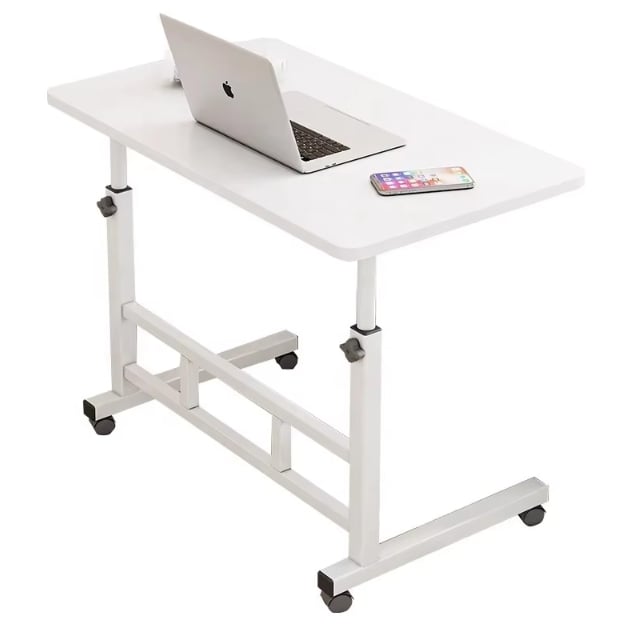
Turnkey project contractors, educational institution buyers, and multi-branch corporate procurement teams increasingly bundle seating and work surfaces into unified purchase orders. Sourcing coordinated steel office desk and chair set units eliminates multi-vendor delivery delays, mismatched finish tones, and ergonomic height clashes—provided buyers verify structural compatibility and container nesting mathematics before signing supply contracts.
Common Pitfalls in Uncoordinated Desk and Chair Bundling
Ordering bundled workstation sets from general catalog aggregators who simply pair random warehouse leftovers creates immediate friction on installation day. Without unified engineering oversight, buyers face physical geometry collisions and lopsided wear curves between the desk and the chair.
Armrest Collision With Desk Aprons and Pedestal Widths
One of the most frequent complaints in open-plan commercial rollouts occurs when chair armrests strike thick under-desk aprons or leave insufficient lateral knee-well width beside wide file pedestals. Employees forced to sit twelve inches back from the keyboard edge develop shoulder and lower-back strain while chair arm pads gouge desk front edges daily.
Asynchronous Lifespans Between Heavy Steel Desks and Weak Chairs
A cold-rolled steel desk easily endures over a decade of daily commercial traffic, whereas a bundled low-grade chair built on thin-walled tubing, recycled foam, and uncertified gas lifts starts sinking or cracking casters within ten months. Replacing failed chairs mid-lease destroys visual uniformity and wipes out initial bundle savings.
Technical Framework for Sourcing Matched Desk and Chair Sets
Smart B2B buyers evaluate steel office desk and chair set units as a single engineered system—matching dimensional ergonomics, metallurgy, surface coatings, and carton consolidation.
|
System Parameter |
Steel Desk Requirement |
Matched Commercial Chair Requirement |
|
Dimensional Ergonomics |
720–750 mm top height; >= 600 mm knee-well width |
Seat height travel 420–530 mm; arm clearance under apron |
|
Structural Frame |
0.7–1.2 mm SPCC cold-rolled steel + omega top ribs |
>= 1.5 mm steel mechanism plate + reinforced 5-star base |
|
Surface & Trim Finish |
9-stage pre-treated matte epoxy-polyester powder coat |
Color-matched powder/chrome accents + abrasion-tested fabric |
|
Hardware & Mobility |
3-section ball-bearing pedestal slides + floor glides |
ANSI/BIFMA-tested pneumatic cylinder + PU/nylon dual casters |
|
Container Consolidation |
Flat-pack desk cartons stacked on lower container tiers |
Nested chair bases/backs stowed in upper container cube |
Harmonizing Knee-Well Clearances and Armrest Geometry
Before approving shop drawings, cross-check the vertical distance from the finished floor to the underside of the desk structural crossbeam or center pencil drawer against the chair’s maximum armrest height. Specifying height-adjustable T-arms or cantilevered loop arms tapered below 660 mm allows chairs to tuck cleanly beneath 740 mm steel desktops at shift end, keeping walkways clear.
Balancing Container Weight Limits With High-Cube Volume
Consolidating dense knock-down steel desks alongside lighter, higher-volume office chair cartons solves a classic ocean freight headache. Loading flat steel desk cartons by themselves can hit road axle weight limits before filling a 40HQ container’s vertical volume, whereas chairs alone max out cubic volume at low weight. Co-loading matched sets balances payload mass and cubic meter utilization simultaneously.
Synchronizing Frame Metallurgy and Coating Durability
Specify cold-rolled SPCC steel across the desk body, pedestal drawers, and welded chair sled frames or structural seat pans. Founded in 1992, Luoyang Huawei Office Furniture Co., Ltd. pioneered mail-order packing and passed the first third-party factory inspection in the Luoyang office furniture industry—enabling importers to source durable steel workstations and custom OEM set configurations packed in drop-resistant cartons ready for project sites or e-commerce distribution.
Authoritative Ergonomic and Structural Standards to Specify
Unified B2B procurement specifications anchor both components of the set to established industry testing codes:
- ANSI/BIFMA X5.5 (Desk Products) & ANSI/BIFMA X5.1 (General-Purpose Office Chairs): Validates desktop distributed loads alongside chair backrest strength, caster swivel endurance, and base static load capacity.
- BIFMA G1 & OSHA Computer Workstation Guidelines: Establishes ergonomic seat-to-desktop height differentials, thigh clearance envelopes, and neutral viewing distances.
- NFPA 101 & CAL TB 117-2013: Pairs non-combustible powder-coated steel desk assemblies with smolder-resistant commercial chair upholstery foam for code-compliant office interiors.
- ISO 9001 & ISO 9227: Ensures traceable dimensional tolerances and corrosion-resistant steel finishes across both workstation elements.
Practical Procurement, Receiving, and Maintenance Advice
Structured execution during sampling and post-installation upkeep protects corporate investment across large seat counts.
Testing Full Set Ergonomics During Golden Sample Approval
Never evaluate the desk sample and chair sample in separate rooms. Assemble the complete workstation set on a level floor, load the pedestal drawers, roll the chair fully into the knee-well, verify cable grommet reach from the seated position, and check caster suitability—specifying soft polyurethane-hooded casters for hard tile or epoxy floors and hard nylon casters for commercial loop carpet.
Preventive Care for Bundled Workplace Installations
Schedule semi-annual facility walk-throughs to tighten chair mechanism bolts beneath seat pans, vacuum hair and carpet fibers from caster axles, and wipe steel desk tops with mild pH-neutral cleaners. Keep serialized master keys and spare caster sets stocked in facility maintenance closets for zero-downtime swaps.
Frequently Asked Questions
Why does co-loading steel desks and office chairs optimize ocean freight costs?
Flat-pack cold-rolled steel desks have high density and compact carton volume, while knocked-down office chairs occupy larger cubic volume with lighter carton weight. Combining matched desk and chair sets inside a single 40HQ container utilizes both maximum container volume and allowable payload tonnage, lowering landed shipping cost per complete employee seat.
What minimum knee-well clearance works best for commercial desk and chair sets?
Commercial workplace guidelines generally call for at least 600 mm (about 24 inches) of unobstructed lateral width between desk legs and pedestal walls, at least 450 mm of front-to-back thigh depth, and roughly 680 mm of vertical clearance beneath any structural apron rail so standard task chairs slide inward comfortably.
How can B2B buyers ensure bundled task chairs match the lifespan of steel desks?
Avoid pairing commercial steel desks with residential-grade chairs. Specify chairs featuring BIFMA X5.1-compliant Class 3 or Class 4 pneumatic gas cylinders, steel mechanism plates at least 2.0 mm to 2.5 mm thick, high-density molded seat foam (45 kg/m³ or higher), and reinforced nylon or die-cast aluminum five-star bases.
Should buyers choose center pencil drawers on steel desks paired with armed chairs?
Center under-desk pencil drawers reduce vertical thigh and armrest clearance by 50 mm to 70 mm, often blocking armed chairs from tucking underneath the desktop. Most modern B2B installations omit center drawers in favor of a top box drawer with a sliding stationery tray inside the side pedestal, preserving generous legroom.
Can steel office desk and chair sets ship in courier-friendly mail-order cartons?
Yes, typically as a coordinated two-carton or three-carton SKU bundle—packing flat steel desk panels and pedestal components in reinforced honeycomb-lined cartons and chair components in a companion drop-tested box. Multi-box parcel labeling keeps carton weights within courier single-person handling thresholds while preventing metal-on-upholstery transit damage.
What caster type prevents floor scratches when deploying desk and chair sets?
Match chair casters directly to site flooring during procurement: hard polyamide (nylon) twin-wheel casters roll effortlessly on commercial carpet tiles, whereas soft polyurethane-coated treads prevent scuff marks and rolling noise on polished concrete, vinyl plank, ceramic tile, or hardwood office floors.