
 EN
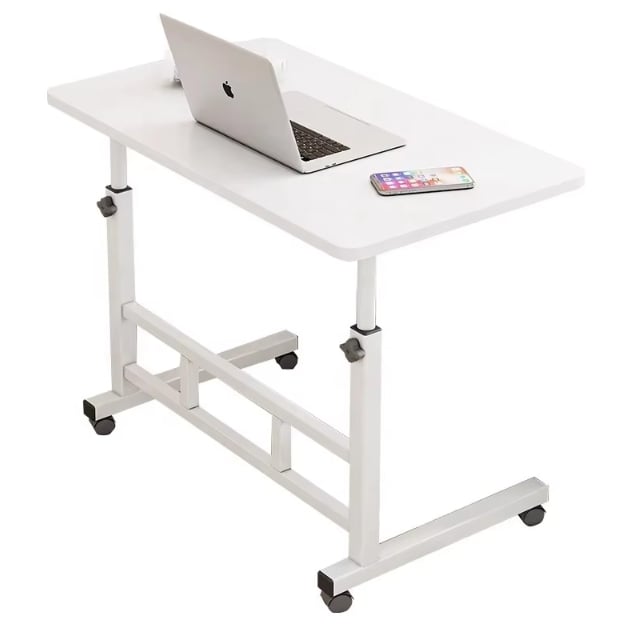
A grade block swaps rooms and the desks travel with it. After a few rotations the caretaker stops looking at the desktop; the log fills with scuffed feet, a wobble at a corner, and a stack that leans near the hall door. Orders drawn from a Luoyang plant founded in 1992, with 30,000 square meters of floor space and a monthly output of 10,000 pcs, arrive as repeat batches rather than isolated deliveries. The question behind an adjustable height student table line is how a full set holds up after terms of lifting, stacking, and reassignment.
Rotation Weeks in a Grade Block: A Field Note
A Monday Swap That Set the Pattern
The pattern appeared during a Monday changeover, when a caretaker relocated a row of desks from a science room to a general classroom and placed them against a wall. What stood out was where hands made contact: on the lower frame, the feet, and the floor edges. An adjustable-height student table lifted by the top behaved differently from the same desk lifted by the frame, and the difference manifested in how the feet settled. The subsequent note was brief: move the set, not the surface.
What the Caretaker Logged Each Term
Logus non erat file complaintum; erat autem registrum continuatum partium quae inter tempora attentionem requirebant. Intra hunc logum notabantur capsulae glissandi, bullae ad disgregationem, et anguli ubi series superposita fregit. Emptores qui saepe emebant legere hunc logum cum specificabant lineam tabularum scholarium ad altitudinem regulabilem, quia eadem elementa semper occurrunt ubi mensae in magnitudine rotantur. Fabrica quae ordines ad personam accipit secundum schemata vel exemplaria clientium, cum aequipe designis et operariis peritis, potest mutare pedem vel costam antequam sequens copia producatur.
Ubi Usura Concentratur per Copiam
Non Omnis Abrasio A Summo Incipit
Notae in campo ex cameris rotatis ad superficiem scribendi non spectant. Tabula raro primo deficit; usus in loco ubi cornu cum calce, moppa, vel tabula superposita convenit accumulatur. Si mensam scolaris altitudinis variabilis ut tabulam perfectam tractamus, partes quae manuum contactum sustinent praetermittimus. Emptores qui tantum summam comparant, specimen mundum vident, sed post unum tempus pedes fractos inveniunt. Periculum repetitur: damnum parvum in basi per totam seriem diffunditur, quia omnis mensa eodem modo movetur.
Ubi Rotatio Notam Relinquit
Marka sa tende ad apparere in punctu de transferentia, non durante le classe. Le corriidores, le liminas de portas e le angulo ubi un stack attende es plus dur pro un quadro quam un lectione. Quando un tabula pro studentes con altor ajustabile es tractate in loco de esser levate, le pede de nivelation subi un carga lateral que il non era destinate a portar, e le strato de pulverisation a illo margine comencia a se sollevar. Le rotationes concentra le damno in locos previsibile, que es exactemente le ratione pro qua un programma de maintenance pote esser scripte circa illos.
Stivage, Stoccage e Translocation Inter Terminos
Degrassation Ante que le Pulverisation Sia Applicate
Finis, qui rotationem superat, initium capit ante colorem. Lamina ex acciaio laminato frigido secatur in machinis ad sectiolem laser, perforatur in machina perforatoria hydraulica, flectitur in machinis flectentibus, et iungitur per saldationem punctiformem; deinde desgrasatio et phosphatatio superficiem praeparant. Pulvis coloris electrostaticus applicatur et in fornace curandi solidatur, ut stratum ad metallum adhaereat. In quadro tabulae scholaris altitudine regolabili, haec series determinat utrum abrasio maneat abrasio an convertatur in rubigo. Costae renfortis et iuncturae disiungibiles hic valent, quia quadro flexibili stratum coloris, quod alioqui bene adhaeret, rumpetur.
Quomodo Pedes Nivelantes Onus Inter Se Dividunt?
Un pedunculus aequabilis diffundit pondus tabulae per pavimentum et servat quadrum structurae dum summitas elevatur. In tabula scolastica altitudinis variabilis, pedunculus etiam absorbet leves ictus laterales qui oriuntur ex saepi repetita depositione. Capsulae glissandi et pedunculi ut partes consumibiles tractantur propter hoc, et turris tanta est stabilis quantum pedunculi in sua basi. Cum tabulae ad conservationem inter terminos congeruntur, pedunculi et contactus congerendi decernunt utrum turris inclinetur. Comportamentum anti-inclinativum et ambulacra aperta simul sunt necessaria, quoniam turris inclinata est problema manutentionis ante quam problema conceptionis.
Minus repraebitiones quam alternativa picta
OSHA, NFPA, ISO, et ANSI in una specifica
A specification written for a school can cite all four families without inventing clauses. ANSI/BIFMA X5.5 addresses strength and durability of desk and table products, which is where frame stability and cycle testing belong for an adjustable height student table line. ISO 14001 frames the environmental management behind pretreatment and powder coating. OSHA 1910.176 covers material storage and the prevention of tipping, relevant when batches are stacked in a hall. NFPA 101 keeps exit width and aisles clear while desks are staged for a rotation. None replaces a visual check of an adjustable height student table stack; together they give a buyer a shared language.
Buying an adjustable height student table line: ask for the sheet gauge, the pretreatment sequence, and the coating adhesion method before comparing finishes; request a knock-down sample so the joints and reinforcement ribs can be seen, and confirm the height range suits the age groups in the order.
Inspecting an adjustable height student table on arrival: check corner guards and mail order packing for crush marks, look for coating runs near welds, set a sample on leveling feet to confirm the top sits flat, and cycle the height mechanism a few times to feel for binding.
Using an adjustable height student table across rotation: keep a set with its own room where the timetable allows, lift rather than drag when reassigning, keep stacked units off damp floors, and leave clear aisles so a class can be moved without tipping a pile.
Maintaining an adjustable height student table in batches: wipe feet and glides at term change, log a coating chip before rust reaches the steel, retorque knock-down bolts on a schedule, and store spare feet and caps so a missing part does not sideline a whole set.
Quaestiones Frequenter Rogatae
Q: Why does classroom rotation change how an adjustable height student table is specified?
A:Rotation means each unit is lifted, carried, and restacked many times, so the parts that take hands and floors matter more than the writing surface. A specification shaped by that routine asks about frame structure, leveling feet, coating pretreatment, and stacking contacts. When a desk is chosen on desktop appearance alone, the batch tends to show wear at the base after a few terms, which is where maintenance time collects.
Q: What should a batch inspection look for on arrival?
A:Start with the packing and the corners, since crush marks during transport point to how a set will behave in storage. Check coating near welds, set a sample on leveling feet to confirm the top sits flat, and cycle the height mechanism to feel for binding. A desk that passes these simple checks on the pallet usually settles into a classroom without follow-up adjustments.
Q: How does powder coating hold up under term-by-term cleaning?
A:A coating applied after degreasing and phosphating, then cured in an oven; it bonds chemically to the steel rather than merely sitting on its surface. This chemical bond confines scratches to the surface and prevents rust from spreading beneath the layer. Clean with mild agents and avoid abrasive pads to preserve it. During each periodic inspection, pay special attention to the finish near the feet.
Q: When should leveling feet be replaced during maintenance?
A:Feet and glide caps are classified as consumable parts because they absorb lateral impacts from repeated placement. Replace a foot when the glide surface is worn through, when the thread no longer secures adjustment, or when wobbling cannot be corrected by leveling. Keeping spare parts from the same production batch ensures rapid return to service, avoiding delays for matched replacements.
Q: Can a knocked-down frame be stacked without damaging the finish?
A:Knock-down construction helps with transport, but stacking still needs contact points that do not rub coating against coating. Use the intended stacking contacts, keep the pile off damp floors, and avoid dragging the base across a threshold. When desks are nested between terms, a little care at the stack prevents the kind of edge chipping that otherwise spreads across an entire batch.
Q: Which standards apply when a school stores a batch between terms?
A:Several references give a buyer a shared language. ANSI/BIFMA X5.5 covers strength and durability for desk and table products, ISO 14001 relates to managing the finishing process, OSHA 1910.176 addresses material storage and tipping, and NFPA 101 concerns aisle and exit width. None replaces a visual check of a stored stack, but together they frame a sensible storage plan.