
 EN
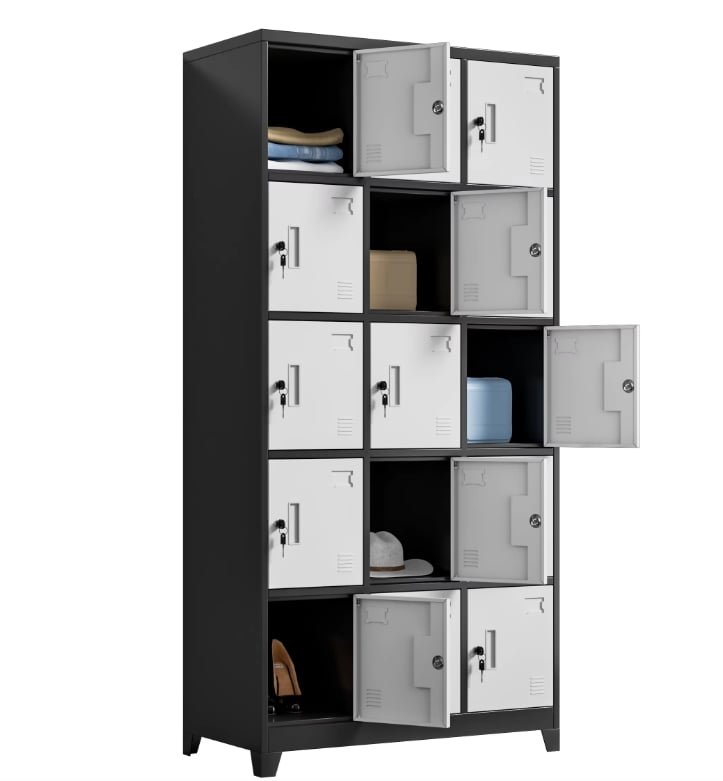
At a loading bay before gate-in, a shipping clerk watched a stack of flat-pack cartons being slid into a container for an overseas run. The lower layers held their shape, but one top carton showed a crushed corner where a strap had been pulled tight, and a faint tide line of condensation marked the inner flap. Nothing inside was damaged, yet the pattern matched a familiar risk: compression from stacking plus moisture across a long voyage. The response was a recheck of corner guards and stack height, not a rejected order. That sequence frames how a metal locker export order is specified, packed and received.
What a Container Loading Check Revealed
At the Loading Bay: Reading a Stack of Flat Packs
The clerk began at the container door, where the last cartons loaded are the easiest to inspect before the seal goes on. Each metal locker carton was checked for square edges, intact straps and a legible label, then the stack pattern was read from the bottom up. A crushed corner on the top layer told more than a clean sample at eye level, because it showed where a strap had concentrated the load.
Why Do Edge Protectors Go on the Top Layer?
The top layer takes the strap tension and any shifting during the voyage, so plain carton flaps there tend to crease first. Edge protectors spread that force across a wider strip of board, and corner guards stop a strap from cutting into the panel inside. On a repeat order the change was simple: guards were added where the strap crossed, and a cap sheet was laid over the top tier before strapping. A metal locker kit has flat panels a tight strap can scar.
How Does Sea Freight Humidity Reach a Flat Pack?
Measuring Carton Compression Before Gate-In
Compression and moisture arrive together, so a check before gate-in looks at both. A carton at the bottom of a stack carries the layers above it, and board that has absorbed damp air softens and loses stacking strength. The clerk pressed a thumb into a lower flap, noted any give, and compared it with a fresh carton from the same run. Stacking a metal locker flat pack to a sensible height, with a cap sheet and desiccant, keeps the lower layer from creeping.
On Corner Guards: Where the Stack Height Limit Comes From
Stack height is set by what the bottom carton can carry, not by how much room the container has left. A taller stack adds load to the lowest tier, and a metal locker carton with a dense panel set weighs more than a hollow box, so the limit comes from board strength and panel mass together. Corner guards keep the corners square, which lets each tier sit flat on the one below.
Knock-Down Cartons Change the Damage Equation
The Knock-Down Frame Ships Flat
A welded unit fills a container with air; a knock-down frame ships as flat panels, bolts and a hardware bag. Laser cutting, hydraulic punching, bending and spot welding shape the parts, and the pieces are packed flat with the cam lock bagged separately. That is the mail order packing route a Luoyang plant founded in 1992 was the first in its local industry to offer. A metal locker built this way arrives as a bolt-together kit, with each metal locker panel wrapped separately.
Where Humidity Enters a Corrugated Carton
Container air warms and cools across a voyage, and moisture condenses on the inner flap even when no water enters the box. The defense starts before packing: degreasing, phosphating and electrostatic powder coating, set in a curing oven, protect the cut edges of the steel where a scratch would otherwise start corrosion. A desiccant pack and a breathable wrap help, but the metal locker finish is the lasting barrier.
Codes, Labels, and Dock-Side Advice
Nulla navis cartonum sine inspectione etiquettae
ISO 9001 dat processui impachationis suam routineam documentatam, ut quaelibet plica plana eodem modo plicetur, protegatur et etiquettetur in omni cursu. OSHA 29 CFR 1910.176 tractat materiam congeriem et praeventionem inclinandi, quod ad congeriem cartonum in continente applicatur. NFPA 101 servat vias dock et latitudinem exitus apertas, ut palae dispositae viam non angustent, et ANSI Z535.4 regit etiquettas manutentionis quae post longum iter legibiles manent. Haec omnia referentiae simul tractant cartonem arcae metallice ut onus unitarium et ut impachatum etiquettatum.
Emere un armadiu metallicu: Demande la specifica de cartone in forma scripta, incluse gradu de tabula, protectores pro angulos, dispositione de cingulas, desiccante, lingua de etiquetta e numeru de stratos previste pro le contenedor. Confirma si le ordine es expedito como un kit de montage con un sacco de ferramentas, e approba un exemplar constructo secundo le disegno de production ante que un contenedor sia reservate. Un ordine personalisate secundo le plano del cliente o un exemplar es un via normal pro un planta con 30 000 metro quadrate de spatium e un output mensual de 10 000 pecias.
Inspecter le armadiu metallicu al su arrivate: Ante que le sigillo sia rupte, fotografa le pila e nota qualcunque angulo crushite, section de cingula o linea de condensation sur le cartones externe. Aperi un cartone ab le strato inferior e un altere ab le strato superior, confirma que le sacco de ferramentas, le serratura a camma o le anello pro catena e le etiquetta es presentes, e confronta le finitura a pulvere con le exemplar approbate. Nota qualcunque discrepancia mentre le contenedor ancora se trova in sito, quod es le momento in que es plus facile resolver le problema.
Utendo arca metallicam: Confecte structuram ad modum knock-down super pavimento planum, constringe bulones ordine, et regula pedes aequantes donec fores bene moveantur. Tene fendas ventilationis apertas, pone onera gravia infra, et alliga bancos altos ad parietem ubi schemata permittunt. Ascribe singulis utentibus cellulam numeratam, et tene simplicem notam clavium vel combinationum. Relinque spatium ante fores liberum, ut tabulae plene aperiantur.
Curans arcam metallicam: Absterge umorem e tabulis panno sicco, repara defectus in tegmine circa scruos et oras sectas cito, et tene loculum cami et anulum catenae liberos ab arena. Inscribe brevem inspectionem cardinum et pedum aequantium in schedulam recurrentem, et nota si quae tabula non bene quadrat cum proxima. Mundifica tabulas tegminatas detergente leni et panno molli, non spongia abrasiva.
Quaestiones Frequenter Rogatae
Q: Cur custodes angulorum in cartonibus ad modum planum ponuntur?
A:A strap pulled tight across a stack concentrates force on one corner, and a long voyage adds vibration that works the same spot loose. A corner guard spreads that load over the carton edge so the flap does not crush into the panel inside. Guards also keep the top tier from biting into the one below when a container is filled to its planned height, which is why they appear on the top layer first.
Q: Can a metal locker be ordered to a customer drawing?
A:Yes, a custom order per customer plan or sample is a normal route for a Luoyang plant founded in 1992, with a professional design team and skilled workers. Lock type, vent pattern and hinge position can follow the drawing. The useful step is to approve a flat-packed metal locker sample built to the production drawing, so the carton, hardware bag and finish all match what was agreed before a container is booked and sealed.
Q: How does sea humidity reach a packed unit?
A:Aer in container variat et refrigescit per totam navigationem, et umor condensatur in interiore valvula etiam si aqua non intrat in cistam. Paxilla desiccans et involucrum permeabile adiuvant, sed fortissima defensio est praetractamentum ferri: degreasing, phosphating et electrostatica pulvis-coating quae corrosionem resistunt in marginibus secundis. Linea maris in valvula est signum ut cistae siccarentur et sacculus ferramenti inspiciatur, non causa ut onus reiciatur.
Q: Quae codices specificant normam cistae exportationis?
A:ISO 9001 documentat ritum impacandi ut omnis operatio eodem modo plicetur et tituletur. OSHA 29 CFR 1910.176 tractat materiam congeriem et praeventionem capotamenti, NFPA 101 servat vias ad dock et latitudinem exitus apertas, et ANSI Z535.4 regit titulos manutentionis qui legibiles manent. Simul tractant cistam ut unitatem oneris, ut rem congeriem et ut pachetum titulatum, quare congerere, disponere et titulare omnia in una specifica continentur.
Q: Quid inspiciendum est in dock ad adventum?
A:Cerca angulos fractos, linea de condensation in flappas interiores, e cingulos que ha tagliato in margine de cartone. Aperi un cartone de un tier inferior e un de un tier superior, confirma que le sacco de ferramentas e le hasp de cam-lock o padlock es presentes, e compara le finition con le sample aprobate. Nota omne damno mentre le container es ancora in sito, proque isto es quando un discrepancia es plus facile a resolver con le fornitor.
Q: Como debe esser curate un unitate de montage plan post montage?
A:Colloca le unitate super un pavimento plan, ajusta le pedes de nivelation usque que le portas se move recte, e fissa le bancos alte ubi le disposition lo permette. Tene le fendas de ventilation libere e pone le objectos pesante in position basse. Asciuga le condensation con un panno asciutte, repara prestemente le chippas in le recubrimento circa le vites, e tene le serratura libere de arena. Un brevissime registro de inspectiones e ajustamentos del goniellas converte observationes disperse in un historia de servitio que supporta ordines future.