
 EN
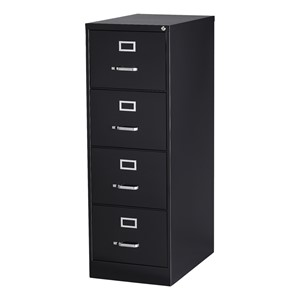
Two quotations sit on a procurement desk for a workshop stores area, both describing a tall two-door steel cabinet. One lists a painted finish and a lock; the other lists a per-shelf load, a rib pattern, and a hinge count. The shorter sheet says little about spare bearings and fasteners stacked to the back of a middle shelf. On the existing units, that shelf has bowed and the doors no longer meet at the center. A vent slot near the base is blocked by a pallet. Shelf load and door geometry decide the order, not the color card, for a metal storage cabinet bought in volume.
Where a Workshop Order Was Won on Shelf Load
The Stores Area: A Shelf That Bowed Under Spare Parts
The stores area in question keeps spare parts for a maintenance crew, and the middle shelf of each metal storage cabinet holds the densest boxes. Over a season, that shelf developed a visible dip at the center while the end supports stayed put. The doors began to meet unevenly at the latch, and a strip of daylight appeared along one edge. Nothing had been dropped and no panel was dented. The pattern pointed to repeated loading near the middle of the span rather than a single accident.
Why Two Similar Bids Diverged on Paper
In scripto, duae offertae videntur similes: eadem magnitudo externa, eadem superficies, idem typus clausurae. Differentia in lineis latet, quas facile praeterire licet. Una offerta nominat oneris valorem per mensam et describit plicatum renfortem sub singulis mensis; altera tantum indicat laminae crassitudinem. Cum armarium metallicum propositum est ex descriptione superficiei tantum, mensa fit coniectura. Haec coniectura postea apparet ut tabula curvata et clausura quae non amplius congruit cum suo opposito.
Quid Mutant Oscillatio Portae et Fissurae Ventilationis in Servitio
Quomodo Interstitium Portae Fit Pretium Rework
Geometria ius portae prima res mutatur ubi mensa deflexa est, quia corpus cum onere inclinatur. Coniuncturae, quae initio bene adpositae erant, nunc momenta torsionis sustinent; lamina deorsum cadit, et clausura cameralis aut catenula clausurae impellenda est ut coniungatur. Fissurae ventilationis secundam condicionem addunt: eas nec praeter onera congerata nec praeter parietem posticum esse oportet, alioquin via aeris interrumpitur. Armarium metallicum, quod ad partitorem appositum est et cuius tabula posterior foramina ventilationis habet, est armarium cum foraminibus quae nihil efficiunt.
Tabula specificatorum finitionem indicavit, sed onus omisit
Tabula specificationum coloris, stili manubrii, et numeri cartonum enumeravit, sed onus omisit. Item omisit quomodo fores suspensae sunt et ubi unitas ancoranda est. Haec omissiones magis momenti habent quam finitio, cum arca instrumenta, solventia, aut clavos in scatulis in area operativa continet. Figura quae numerum cardinum, positionem cardinum, et punctum fixationis in basi ostendit, installeri aliquid ad verificandum dat. Arcae metallicae ad depositum emendatio praecipue opus est ut hi defectus antequam ordo signatur, non postquam adfertur, explentur.
Quomodo Costae Refortificationis et Cardines Onus Dividunt
Costas Refortificationis Sub Spannu Scaphae Ponere
In a metal storage cabinet, cold-rolled sheet gains stiffness from its shape, so a flat shelf of generous gauge can still deflect more than a lighter shelf with a folded return. A reinforcement rib formed along the front and rear edges, or a hat section pressed into the underside, raises the section modulus without adding much material. CNC bending holds that rib position repeatable across a batch. Spot welds then tie the rib to the shelf panel at a consistent pitch; wide gaps let the sheet drum between fixings. A Luoyang factory founded in 1992, with 30,000 square meters and a monthly output of 10,000 pcs, holds that position with fixed tooling.
At the Hinge: Vent Slots, Swing, and Anchoring
At the hinge of a metal storage cabinet, door geometry decides whether a loaded unit stays square. Three hinges on a tall door share the swinging mass better than two, and a continuous piano hinge spreads it further, but either choice needs a flat, ribbed door leaf to work. Vent slots are punched before forming, so their position is fixed by the hydraulic punching or laser cutting program; a slot too close to the edge weakens the very fold that stiffens the door. Anchoring closes the loop. A tall unit fixed through a base bracket resists the forward pull of an open loaded door and keeps the carcass plumb.
Standards That Tie Anchoring to Egress and Storage
ANSI/BIFMA X5.9, ISO 9001, OSHA 1910.176, NFPA 1
Un armarium metallicus est regulatus ab ANSI/BIFMA X5.9, quae expectata fortitudinis et durabilitatis per experimenta cyclorum et onerum definit, non per aestimationem visualem. ISO 9001 de regula sectionis, curvaturae, soldaturae, et revestitionis loquitur, itaque onus indicatum per mensam in toto cursu productionis repetibile est, non solum in uno exemplari verum. OSHA 29 CFR 1910.176 de reposito materialis et praeventione inclinationis agit, quare puncta ancorationis in schemate esse debent. NFPA 1, Codex Ignis, de viis liberis et separatione mercium repositarum ab originibus ignitionis et instrumentis agit. Nullum horum documentorum inspectionem substituit; simul definunt quae affirmativa emptor iure inspicere potest.
Emptio armarii metallici: Petat onus per mensam, descriptionem costarum, numerum cardinum, positiones fendarum ventilatoriarum, et provisionem ancorationis in schemate, deinde istas lineas inter offertas conferat.
Inspecting a metal storage cabinet on arrival: Stand a sample on a flat floor, load a middle shelf to its rating, check the center dip and door gap, and locate the fixing points.
Using a metal storage cabinet: Keep heavy items on lower shelves near the back supports, spread point loads across the span, and leave vent slots clear so airflow stays open.
Maintaining a metal storage cabinet: Recheck door alignment and hinge fixings at each inspection round, clear dust from vent slots, and watch for a growing center dip on any shelf.
Quaestiones Frequenter Rogatae
Q: What is the first number to request on a storage cabinet quote?
A:Ask for the per-shelf load rating and the basis behind it. A shelf can look rigid empty and still dip once dense stock sits at mid-span. The rating should be tied to a defined support condition and a repeatable test, not to a sheet gauge alone. Without that figure, two quotes with the same external size cannot be compared, and the decision falls back on finish and carton count.
Q: Cur portae ex alinemento recedunt in unitate onerata?
A:Medium scapha deflexa corpus distorquet, et ita cardines torsionem sustinent quam non ad alinementum destinaverant. Folium ostii in angulo libero deponitur, ideoque clausura campanularis aut catenula non ad locum suum pervenit. Fissurae ventiles obstructae per res superpositas umiditatem et calorem augent, sed non causant recedendum. Interstitium ostii inspiciendum est cum armario onerato, non vacuo, ut motus cito detegatur.
Q: Quomodo armarium metallicum in officina fixandum est?
A:Utere punctis fixationis basi vel parieti indicatis in schemate, et in substratum firmum infixum, deinde post primum onerationis cyclum reexamina. Fixatio momenti anterioris ostii aperti onerati resistit et periculum quod OSHA 1910.176 tractat. Unitas alta libera, etiamsi vacua stabilitatem praebet, tamen inclinari potest ubi scapha gravis protrahitur aut ostium late aperitur.
Q: Fissurae ventiles ostium aut laminam infirmant?
A:A slot punched too close to a folded edge removes material from the very feature that stiffens the panel, so placement matters more than the count. Slots set inside the flat field, clear of the return folds and the hinge line, keep airflow without cutting into the load path. Confirm their position on the forming drawing and keep them unobstructed after installation, since a covered slot provides no ventilation at all.
Q: Which standards help when reviewing a supplier for this purchase?
A:ANSI/BIFMA X5.9 covers strength and durability testing for storage units, and ISO 9001 indicates whether cutting, bending, welding, and coating are controlled across a batch. OSHA 29 CFR 1910.176 concerns stored material and tipping, while NFPA 1 addresses aisle clearance and separation from ignition sources. Together they turn a finish description into a set of verifiable checks rather than a matter of impression.
Q: What does an acceptance check look like on delivery day?
A:Ponite arcam metallicam specimenem super pavimentum planum, onerate mensulam medium ad valorem indicatum, et metimini depressionem centralem et interstitium ostii. Agitate singula ostia, confirmate foramina ventilationis esse libera, et invenite puncta fixationis antequam arca impleatur. Repetite hoc in pluribus cartonibus e palleta, quia resultata constans per totam seriem magis significant quam unum specimen curiose paratum. Notate lectiones ad comparationem posteriorem.