
 EN
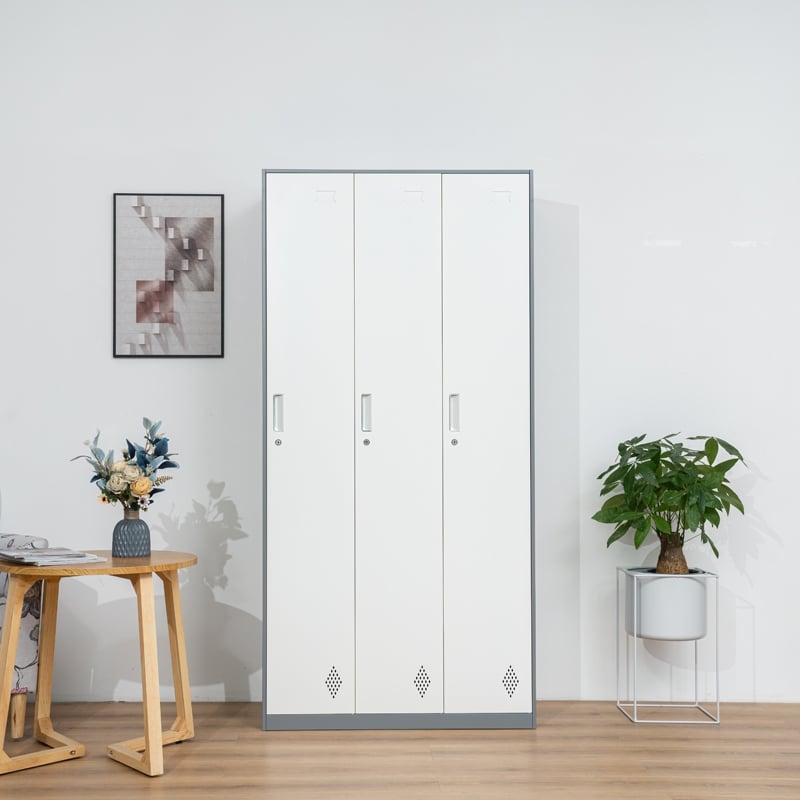
Rete officiorum regionalium emerat securitatem sine fortitudine identicam pro singulis ramis, deinde invenit nullas duas ramos eandem modō uti. Unus servabat fasciculos chartaceos et aperiebat ostium bis in die. Alter tenebat claves signandi, subsidia media et computatra portabilia suppletoria, cum sex hominibus aditum necessarium in turno. Tertius habebat arcam stantem in pavimento elevato quod nemo examinaverat ad puncta fixandi. Eadem res, tres diversae functiones. Securitas bona fit emtio B2B quando fluxus operis, fixatio et regulæ aditūs simul designantur, non cum unum exemplar ubique diffunditur et loca sicut possunt adaptantur.
Ubi depositum ad usum communem deficit
A quality safe that works for one person in a private office behaves differently when a whole team relies on it. The weak points are usually organisational.
Access rules that were never written down
With a quality safe, someone has to hold the master code, someone has to reset it when a colleague leaves, and someone has to decide what happens when a code is entered incorrectly several times. Without those rules, a quality safe ends up with a code written on a sticky note or a key passed around a shift. Where staff turnover is high, a resettable combination lock listed under UL 768 is easier to administer than a rekeying cycle, but the reset procedure and the custody rule still need a named owner. Ask for the operating instruction sheet before the units ship, and keep it under the same revision control as the drawing. A cabinet is only as secure as the routine around it.
Anchoring treated as an afterthought
A heavy quality safe is not the same as a fixed one. A tall unit with a door opening toward an aisle, or one standing on a raised floor, needs a fixing method chosen for the actual substrate. A rating is measured with the unit anchored in a defined way, so an improvised installation changes the conditions the report describes. Ask the factory for the fixing point locations and the anchoring description from the test, then let the site’s facilities team choose the fastener. OSHA 29 CFR 1910.176(b) expects stored material to be secured against sliding or collapse, and NFPA 101 concerns itself with keeping exit routes usable. Both belong in the floor plan, not in a conversation after delivery.
Matching the unit to the actual workflow
The right quality safe question is not how strong a box can be bought. It is what a site stores, how often the door opens and who needs to get in.
How many users, how many openings a day
A quality safe opened twice daily for archived files has a very different duty cycle than one opened forty times per shift for shared equipment. High traffic causes wear on hinges, bolt guides, strike plates, and keypads; therefore, specify a lock with documented cycle-test data and ask whether spare cylinders, handles, and hinge pins are available under the same drawing revision. Observe the door swing in the actual room: a door that must be held open while someone reaches past it will experience leaning pressure. Where multiple users share access, a wider internal layout—with a shelf and a clear numbering system—reduces fumbling, which causes most wear.
What goes inside determines the rating you need
Intra qualis custos securus, documenta scripta, media magnetica et media digitalia non tolerare eandem temperaturam internam, quare UL 72 classes separat secundum typum contenti. Unitas cum classe ignis apta ad fasciculos papireos non est automatio apta ad cintas vel discos de conservando. Ubi periculum est furta potius quam ignis, classificationes UL 687 contra effractionem aut gradus EN 1143-1 sunt documenta pertinentia, dum EN 14450 amplectitur leviorem conservationem securam in classibus S1 et S2. Custos securus qualis qui etiam ut usus cotidianus in officio fungitur fortasse etiam requirit probationem stabilitatis et firmitatis secundum ANSI/BIFMA X5.9 aut EN 14073-2 una cum EN 14073-3. Primum nominare contenta est modus simplicissimus ut evitetur emptio rating incorrecti.
Normae quae decisionem loci formant
Normae maxime iuvant in prolatione custodis securi qualis ubi leguntur ut responsiones ad quaestiones loci, non ut index certificatorum ad colligendum.
Legere UL 72, UL 687 et EN 14450 per casum usus
Initia un optio qualis et secura cum le registre de risu. Expositio ad ignem circa archiva de carta indicat un classis UL 72 cum le juste typo de contento; attacco con instrumentos contra res pretiosas indicat UL 687 o EN 1143-1; equipamento commun de basso valor pote trovar se confortabilmente sub EN 14450. Le gradus non se converte in modo simplice inter systemas, ergo verifica que standard es recognoscite per le assurator o le politica de facilitates del destination. Demanda le reporto con le exacte codice de modello, le data e le methodo de ancorage usate. ISO/IEC 17025 es le accreditation a cercar sur le laboratorio emittente, dum ISO 9001 indica si le sequente partita corresponde al prime. Un specification de qualitate pro un cassa securi que nomina un sol standard e un sol codice de modello es plus facile a defender quam un dossier pleno de approbationes.
Collocar OSHA, NFPA e ANSI super le plano del pavimento
OSHA 29 CFR 1910.176(b) tractat de conservatione et tractatione securae unitatum gravium antequam et dum installantur. NFPA 1 et NFPA 101 de loco, onere ignis et viis excedendi agunt; NFPA 70 ubi clavis electrica connectitur applicari potest. ANSI Z535.4 de verborum et symbolorum formulis in etiquetta utentis curat, quod magni momenti est si divulgatio per plures sedes aut regiones linguarum fit; pete artem ante impressionem. Declarationes REACH et RoHS de tegumento et de quibuslibet componentibus electronicis agunt. Adde etiam inspectiones tegumenti: resultata ISO 2409 et ISO 9227 aut ASTM B117 emptori indicant num finitio post aliquot annos purgationis circa valvam frequenter usitatam adhuc bene videbitur.
Ritus qui qualitatem in usu tutam servat
Write one page for the site: who holds the master code, how a reset is recorded, what is stored on which shelf, when desiccant is replaced in a fire-rated unit, and which parts get inspected each quarter. Wipe the door seal with a mild neutral cleaner, keep solvent sprays away from the powder coat, touch up chips at folded edges, clear dust from the bolt guides and use dry graphite rather than oil in a keyed cylinder. Log every code change and every service visit against the serial number. A heavy duty quality safe that is specified this way is easy to roll out to a new branch, because the access rules, fixing method and inspection sheet already exist. That repeatability, rather than a single impressive specification, is what makes the purchase work for a B2B buyer.
Quaestiones Frequenter Rogatae
How should a site decide which rating it needs?
Initiate a quality and secure decision by evaluating what is stored and the plausible risk. Paper archives indicate a UL 72 fire class, provided the content type is appropriate; valuables exposed to tool-based attack require UL 687 or EN 1143-1, while EN 14450 applies to lighter secure storage. Verify which standard the destination’s insurer accepts, then request the test report specifying the exact model code and anchoring method used. A fire class rating does not address theft protection.
Who shall control the code or master key?
For a quality safe, designate one owner in the site procedure, along with a documented reset rule, a log of every change, and a defined process for when a colleague departs. A resettable combination lock compliant with UL 768 suits environments with high staff turnover, but the operating instruction sheet must be finalized before shipment. Maintain that sheet under the same revision control as the technical drawing, ensuring consistent procedures across all branches.
Does a heavy cabinet still require anchoring?
Yes. A tall unit with a door opening toward an aisle, or one on a raised floor, should be fixed with a method chosen for the actual substrate. Ratings are measured with the unit anchored in a defined way, so ask for the fixing point locations and the test description. OSHA 29 CFR 1910.176(b) expects stored material to be secured, and NFPA 101 keeps exit routes usable.
What changes when many people share one unit?
Door cycles multiply, so hinges, bolt guides, strike plates and keypads see far more wear. Ask for a documented lock cycle test and order spare cylinders, handles and hinge pins under the same drawing revision. Check the door swing in the real room and keep the internal layout simple, with a shelf and a clear numbering rule. Shared access also makes the code custody rule more important.
Which standards belong on the site floor plan?
OSHA 29 CFR 1910.176(b) tractat de manutentione e deposito de unitates gravi, NFPA 1 e NFPA 101 tractat de positione e vias de exodo, e NFPA 70 pote applicar se ad le cablation de claviera electricamente alimentate. ANSI Z535.4 tractat le artefactos pro etiquettas. Le declarationes REACH e RoHS tractat le materiales, dum le resultatos de ISO 2409, ISO 9227 o ASTM B117 describit le recubrimento. Pon iste in le file de installation insimul con le decision de ancoramento.
Quid includit un inspection trimestrale rationabile?
Controlla le sigillo del porta, le vites del cardini, le directores del bullones e le punctos de nivelamento o fixation, tunc registra qualcunque mutation de codice o visita de servitio contra le numero de serie. Reemplacia le desiccante in un unitate con resistentia al foco, asciuga le sigillo con un detergentie neutre levi, evita sprays solvente e pads abrasive, e repara promptemente le schippas in le bordes plicatos. Usa graphite seccu in loco de oleo in un cilindro con claves. Un registro con data facilita le specification del proxime ordine.