
 EN
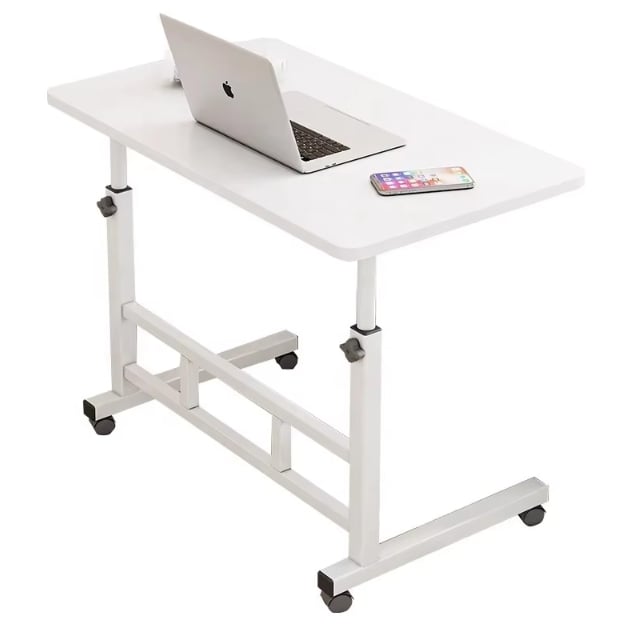
A grade block swaps rooms and the desks travel with it. After a few rotations the caretaker stops looking at the desktop; the log fills with scuffed feet, a wobble at a corner, and a stack that leans near the hall door. Orders drawn from a Luoyang plant founded in 1992, with 30,000 square meters of floor space and a monthly output of 10,000 pcs, arrive as repeat batches rather than isolated deliveries. The question behind an adjustable height student table line is how a full set holds up after terms of lifting, stacking, and reassignment.
Rotation Weeks in a Grade Block: A Field Note
A Monday Swap That Set the Pattern
The pattern showed up during a Monday changeover, when a caretaker moved a row of desks from a science room to a general classroom and set them against a wall. What stood out was where hands landed: on the lower frame, the feet, and the floor edges. An adjustable height student table lifted by the top behaved differently from the same desk lifted by the frame, and the difference showed in how the feet settled. The note that followed was short: move the set, not the surface.
What the Caretaker Logged Each Term
The log was not a complaint file; it was a running record of which parts needed attention between terms. Entries named the glide caps, the knock-down bolts, and the corners where a stacked set had rubbed. Repeat buyers read that record when specifying an adjustable height student table line, because the same items appear wherever desks are rotated in volume. A factory taking custom orders per customer plan or sample, with a design team and skilled workers, can adjust a foot or a rib before the next batch.
Where Wear Concentrates Across a Batch
Not Every Scuff Starts at the Top
Field notes from rotated classrooms point away from the writing surface. The desktop rarely fails first; the wear gathers where a frame meets a shoe, a mop, or a stacked neighbor. Treating an adjustable height student table as a finished panel misses the parts that take the handling. Buyers who only compare the top see a clean sample and then meet chipped feet after a term of moves. The risk is repetitive: small damage at the base spreads across a batch because every desk is moved the same way.
Where Rotation Leaves Its Mark
The mark tends to appear at the point of transfer rather than during class. Corridors, door thresholds, and the corner where a stack waits are harder on a frame than a lesson is. When an adjustable height student table is dragged instead of lifted, the leveling foot takes a sideways load it was not meant to carry, and the powder coat at that edge begins to lift. Rotations concentrate damage in predictable places, which is exactly why a maintenance plan can be written around them.
Stacking, Storing, and Moving Between Terms
Degreasing Before the Powder Goes On
The finish that survives rotation starts before the color. Cold-rolled steel sheet is cut on laser cutting machines, punched on a hydraulic punching machine, bent on bending machines, and joined by spot welding; then degreasing and phosphating prepare the surface. Electrostatic powder coating is applied and cured in a curing oven so the layer bonds to the metal. On an adjustable height student table frame, that sequence decides whether a scuff stays a scuff or becomes rust. Reinforcement ribs and knock-down joints matter here, because a flexing frame will crack a coating that otherwise adheres well.
How Do Leveling Feet Share the Load?
A leveling foot spreads the desk weight across the floor and keeps the frame square when the top is raised. On an adjustable height student table, the foot also absorbs the small sideways knocks that come from being set down repeatedly. Glide caps and feet are treated as consumable parts for that reason, and a stack is only as stable as the feet at its base. When desks are nested for storage between terms, the feet and the stacking contacts decide whether a pile leans. Anti-tip behavior and clear aisles belong together, since a leaning stack is a handling problem before a design problem.
Fewer Repaints Than Painted Alternatives
OSHA, NFPA, ISO, and ANSI in One Spec
A specification written for a school can cite all four families without inventing clauses. ANSI/BIFMA X5.5 addresses strength and durability of desk and table products, which is where frame stability and cycle testing belong for an adjustable height student table line. ISO 14001 frames the environmental management behind pretreatment and powder coating. OSHA 1910.176 covers material storage and the prevention of tipping, relevant when batches are stacked in a hall. NFPA 101 keeps exit width and aisles clear while desks are staged for a rotation. None replaces a visual check of an adjustable height student table stack; together they give a buyer a shared language.
Buying an adjustable height student table line: ask for the sheet gauge, the pretreatment sequence, and the coating adhesion method before comparing finishes; request a knock-down sample so the joints and reinforcement ribs can be seen, and confirm the height range suits the age groups in the order.
Inspecting an adjustable height student table on arrival: check corner guards and mail order packing for crush marks, look for coating runs near welds, set a sample on leveling feet to confirm the top sits flat, and cycle the height mechanism a few times to feel for binding.
Using an adjustable height student table across rotation: keep a set with its own room where the timetable allows, lift rather than drag when reassigning, keep stacked units off damp floors, and leave clear aisles so a class can be moved without tipping a pile.
Maintaining an adjustable height student table in batches: wipe feet and glides at term change, log a coating chip before rust reaches the steel, retorque knock-down bolts on a schedule, and store spare feet and caps so a missing part does not sideline a whole set.
Frequently Asked Questions
Q: Why does classroom rotation change how an adjustable height student table is specified?
A: Rotation means each unit is lifted, carried, and restacked many times, so the parts that take hands and floors matter more than the writing surface. A specification shaped by that routine asks about frame structure, leveling feet, coating pretreatment, and stacking contacts. When a desk is chosen on desktop appearance alone, the batch tends to show wear at the base after a few terms, which is where maintenance time collects.
Q: What should a batch inspection look for on arrival?
A: Start with the packing and the corners, since crush marks during transport point to how a set will behave in storage. Check coating near welds, set a sample on leveling feet to confirm the top sits flat, and cycle the height mechanism to feel for binding. A desk that passes these simple checks on the pallet usually settles into a classroom without follow-up adjustments.
Q: How does powder coating hold up under term-by-term cleaning?
A: A coating that follows degreasing and phosphating, then cures in an oven, bonds to the steel instead of resting on it. That bond is what keeps a scuff at the surface rather than letting rust travel under the layer. Cleaning with mild agents and avoiding abrasive pads preserves it. The finish near the feet deserves the most attention during each term review.
Q: When should leveling feet be replaced during maintenance?
A: Feet and glide caps are treated as consumable parts because they absorb the sideways knocks of repeated set-downs. Replace a foot when the glide is worn through, when the thread no longer holds adjustment, or when a wobble cannot be leveled out. Keeping spares from the same batch means a desk returns to service quickly instead of waiting for a matched part.
Q: Can a knocked-down frame be stacked without damaging the finish?
A: Knock-down construction helps with transport, but stacking still needs contact points that do not rub coating against coating. Use the intended stacking contacts, keep the pile off damp floors, and avoid dragging the base across a threshold. When desks are nested between terms, a little care at the stack prevents the kind of edge chipping that otherwise spreads across an entire batch.
Q: Which standards apply when a school stores a batch between terms?
A: Several references give a buyer a shared language. ANSI/BIFMA X5.5 covers strength and durability for desk and table products, ISO 14001 relates to managing the finishing process, OSHA 1910.176 addresses material storage and tipping, and NFPA 101 concerns aisle and exit width. None replaces a visual check of a stored stack, but together they frame a sensible storage plan.