
 EN
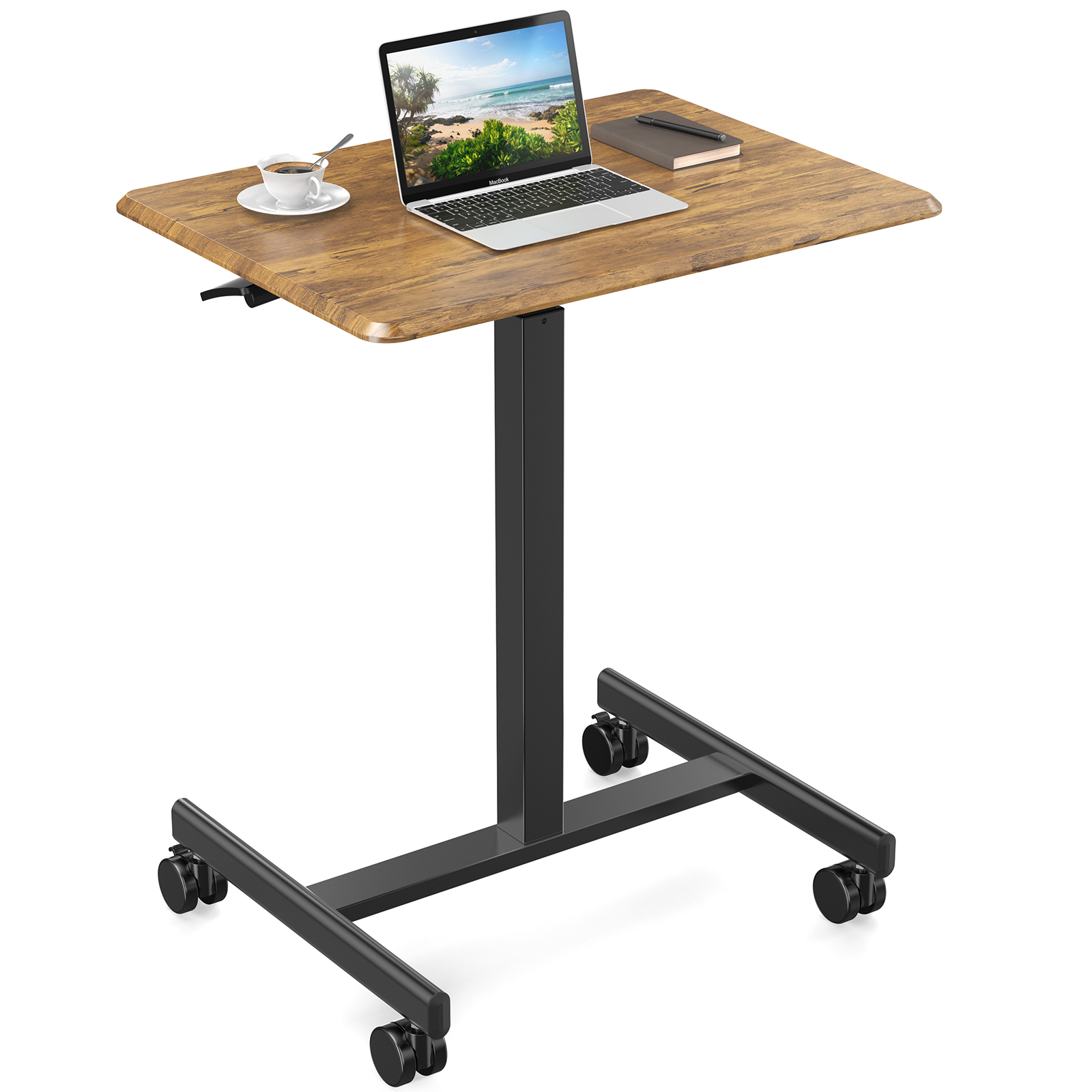
A procurement lead stands in an empty classroom with a tape measure against the wall and a stack of room layouts on a nearby desk. The order has to serve younger pupils, older pupils, and a shared activity room from one specification, and the sample on the floor looks right until it is set beside a chair from the junior wing. That is the moment a height mismatch becomes visible: feet off the floor, elbows above the top, shoulders creeping up. Matching an adjustable height student table to real body sizes, not to a single showroom setting, is where a school purchase either works or quietly fails.
Age Groups Drive the Height Specification
A tape measure against the junior wing chairs
At one district review, a sample adjustable height student table sat a hand span above the seats used by the youngest group, while the same unit suited the senior rooms well. The buyer marked the seat heights on the wall, then laid the working range of the table against them. Re-plotting the range against the shortest and tallest expected users turned one awkward order into a tiered layout that could be checked room by room.
Where the mismatch shows up during a lesson
The observable signs are easy to read once a class is seated: dangling feet, raised shoulders, a forearm that rests on the edge rather than the surface, and pupils who stack books to gain height. A fixed top hides these until the furniture is in use, but an adjustable height student table makes the range a procurement variable rather than an afterthought. Logging which rooms need the lower end of the stroke and which need the upper end gives the buyer a simple map for placing each unit.
Why a Fixed Height Fails Younger and Older Pupils
Growth within a single school year
Children do not arrive at one size and stay there, and a cohort can span a wide range of sitting heights. A fixed top forces a compromise that suits the middle and leaves the edges uncomfortable. Specifying an adjustable height student table with a generous range lets one frame serve several year groups across a rotation, so the purchase is planned around change rather than around a snapshot.
Anti-tip behavior on a busy classroom floor
Classrooms are active rooms: bags catch on feet, chairs are dragged, and a pupil may lean or perch on an edge. A light frame with a narrow base can tip under that kind of off-center load, especially at the top of the stroke where the center of gravity rises. An adjustable height student table with a wide foot span, a low crossbeam, and anchoring points resists this better.
Comparing Crank, Gas Spring and Electric Lifts
What the height range actually covers
Several lift families dominate school orders. A crank mechanism is simple, needs no power, and holds its setting mechanically; a gas spring moves quickly with a lever but offers a narrower working band; an electric lift with a linear actuator and control box gives repeatable presets. The height range, the step between settings, and the rated load matter more than the lift type alone. An adjustable height student table should be judged on the lowest and highest usable positions, not on the headline travel figure.
Desktop wear, rounded corners, and edge detail
A school top takes abrasion from bags, art materials, and daily wiping. Cold-rolled steel sheet, cut on laser cutting machines and formed on CNC bending equipment, then finished with electrostatic powder coating in a curing oven, gives a stable, wipeable surface. Degreasing and phosphating before coating help the finish adhere through years of cleaning. At a Luoyang plant founded in 1992, covering 30,000 square meters with a monthly output of 10,000 pcs, coating adhesion and salt spray checks are routine before an adjustable height student table leaves the line.
From ANSI/BIFMA to NFPA 101: Setting the Spec
Standard families in a school furniture tender
ANSI/BIFMA X5.5 addresses strength and durability for desk and table products, and ANSI/BIFMA G1 covers the ergonomics of height adjustability; ANSI Z535.4 guides the safety labels near moving parts. ISO 9001 sits behind the quality management system at the factory, while ISO 14001 speaks to environmental management in production. Egress is a separate concern: OSHA 29 CFR 1910.37 and NFPA 101, the Life Safety Code, govern clear aisles and exit width, so an adjustable height student table layout must leave circulation space even when tops are raised and chairs are pushed in.
Buying an adjustable height student table: define the height range from real seat and elbow measurements for each age group, then set the rated load, the lift mechanism, and the anti-tip requirement in the same document. Ask whether one frame can cover the junior and senior rooms or whether a tiered order is cleaner, and request a sample unit placed beside the actual chairs before the full quantity is released.
Inspecting an adjustable height student table on arrival: confirm the lowest and highest positions against the marked wall chart, run each lift through a full stroke, check that rounded corners and edges are smooth, and look for wobble at full extension. Verify powder coating coverage at welds, confirm the anchoring points are present, and check that any power lead on an electric unit reaches its outlet without crossing a walking aisle.
Using an adjustable height student table: show staff how to set and record a height for each room, keep the base zone clear of bags and chair legs, and re-check the setting at the start of a term as cohorts change. A short note fixed inside a store cupboard with the preset for each year group keeps adjustments consistent when rooms are re-timetabled or furniture is moved between classes.
Maintaining an adjustable height student table: add a termly pass to wipe the top, tighten frame bolts, check feet and glides, re-seat any cable clip, and confirm the lift still holds its setting under load. Recording which rooms need the lower end of the range and which need the upper end turns scattered requests into a placement plan, so an adjustable height student table fleet stays matched to its users rather than drifting toward one compromise height.
Frequently Asked Questions
Q: How should a buyer set the height range for mixed age groups?
A: Start from measurements, not from a catalogue average. Record seat height and elbow height for the youngest and oldest expected users in each year group, then choose an adjustable height student table whose lowest and highest working positions bracket both ends with a little margin. Place a sample beside the real chairs before releasing the full order. A range chosen this way lets one frame rotate across rooms while keeping feet supported and forearms resting flat on the top.
Q: Is a crank, gas spring, or electric lift better for a classroom?
A: Each suits a different setting. A crank lift needs no power and holds its position mechanically, which suits rooms without nearby outlets. A gas spring moves fast with a lever but usually offers a narrower band. An electric lift with a linear actuator gives repeatable presets and fine adjustment, at the cost of a power lead per station. Judge any lift table on the usable range, rated load, and how simply staff can reset it between cohorts.
Q: What keeps a raised table from tipping in a busy room?
A: Stability comes from the base, not the top. A wide foot span, a low crossbeam, and available anchoring points resist the off-center loads that come from leaning, bag straps, and dragged chairs, especially at the top of the stroke where the center of gravity rises. Keep the swept zone clear and avoid narrow, lightweight frames in crowded rows. Rounded corners on such a table also reduce the knocks that shift a unit out of position during a lesson.
Q: Which standards belong in a school furniture tender?
A: A tender should name ANSI/BIFMA X5.5 for strength and durability and ANSI/BIFMA G1 for height adjustability ergonomics, with ANSI Z535.4 for safety labels. Reference an ISO 9001 quality system at the factory and note OSHA 29 CFR 1910.37 and NFPA 101 for aisle and exit clearance. Mapping each clause to a standard keeps evaluation factual and the layout review about circulation.
Q: How long should the desktop surface last under daily cleaning?
A: Longevity depends on the finish and the edge, not on a headline claim. A cold-rolled steel or laminate top with electrostatic powder coating cured in an oven, preceded by degreasing and phosphating, wipes clean without lifting at the welds. Rounded, sealed corners stop moisture from creeping under the surface. A table with these details keeps a consistent appearance across a full timetable, provided staff use mild cleaners and re-check the coating at welded joints during termly walks.
Q: What should a handover record include for a table order?
A: The record should list each room, the assigned height preset, the lift type, the serial label, and the date feet and glides were checked. Add the marked wall chart of seat and elbow heights and the aisle clearance note from installation. Keeping this for the order means a later technician can see how a unit was configured rather than guessing, and repeated adjustments in one room become a visible placement trend instead of isolated requests.