
 EN
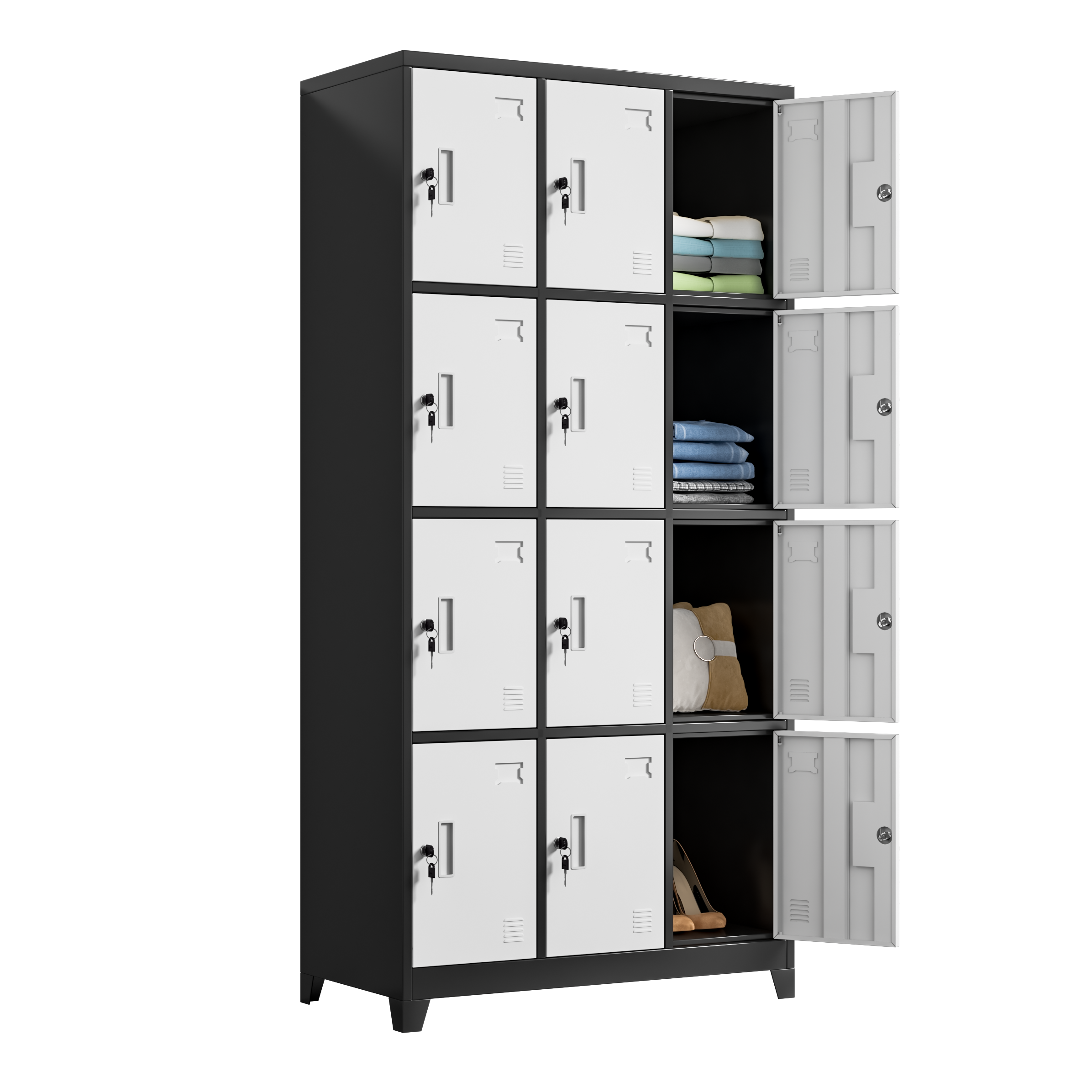
On a walkthrough of a gym changing area, two long banks stood side by side yet behaved differently. Doors on one row had begun to droop, so latches missed their strikes and users learned to lift a corner before closing. The neighboring row, installed at the same time, still shut with one push. Nothing in the room explained the split except how each steel heavy duty locker was built. Pressing a sagging door, watching the hinge knuckle, and looking along the plinth turned a maintenance complaint into a structural question. That comparison is the starting point for judging a cabinet meant for years of daily cycling.
Two Gym Locker Banks, Two Different Outcomes
Where the First Door Began to Droop
Along the older bank, the droop started at the latch side of a heavy duty locker door. Each door is a cantilever hung from one edge, so the hinge leaf carries the full weight on every swing, and a user leaning on an open door adds a sharp load. Over repeated cycles the knuckle wears, screw holes widen, and the free corner drops until the latch misses its strike. On the neighboring row, the same motion left corners aligned. The useful move was to mark which doors sagged and look along the hinge line rather than blame the lock.
Reading the Hinge Knuckle After Months of Use
A worn knuckle tells a different story from a bent frame. If the hinge leaf stays flat and the gap along the hinge side is even, the fault sits in the pin or the screw holes. If the gap widens toward the top, the frame has racked, often because the base sits on an uneven floor. Press the free corner and watch whether the whole unit moves to separate a hinge problem from a plinth problem. Record it per door, since a heavy duty locker bank rarely fails uniformly.
Why Small Misalignments Grow Into Failures
How a Missed Strike Becomes a Worn Latch
Once the latch misses its strike, users compensate. They lift, push harder, or slam the door, and each workaround adds load to the hinge and the latch plate. A cam lock that once turned freely begins to bind because the door no longer sits square. A door that will not stay closed leaves belongings exposed. Catching the first sagging door early prevents the habit from spreading. Specify the latch and strike alignment as an acceptance point, not an afterthought, for a heavy duty locker.
What an Uneven Floor Does to a Bank
A tall bank rarely meets a perfectly flat floor. Without a leveling foot or a continuous base plinth, one end of the carcass twists, and that twist shows up later as a door that binds at the top. The base does two jobs: it ties the vertical panels into one box and lets an installer take the twist out before the doors are hung. On the gym walkthrough, the aligned row sat on a plinth with adjustable feet, while the sagging row rested directly on the slab. That single detail, easy to miss in a catalog photo, explained much of the difference between two heavy duty locker banks.
Five Structural Choices That Resist Sag
A Folded Edge and Rib Stop Deflection
Five structural choices explain the split between the two rows. The first two live in the door itself. Returning the sheet into a folded edge turns a floppy panel into a shallow box, and bonding a reinforcement rib behind the skin adds stiffness where a boot lands. Both raise resistance to bending without much added mass. A flat sheet spanning a wide opening behaves like a spring; a folded, ribbed panel spreads the same impact over more metal. That is why a heavy duty locker built for daily cycling feels solid where a light cabinet flexes.
Hinges, Spot Welds, and a Leveled Base
The remaining three choices sit in the carcass. A hinge leaf welded to a square frame spreads load along a longer line than a leaf screwed into thin sheet. A jig-built, spot-welded frame keeps the opening true, so the latch keeps meeting its strike after cycling; the rhythm of weld marks is the clue. A leveled base plinth removes the twist an uneven floor would feed into that frame. Together these details turn a heavy duty locker from a box of panels into a structure that holds its geometry. ANSI/BIFMA X5.9 cycle testing is where such claims get checked.
When a Durability Claim Needs a Document
Four Documents, Four Different Questions
ANSI/BIFMA X5.9 is the natural home for the cycle test behind a durability claim, covering repeated door operation, shelf load, and frame stability. ISO 9001 sits behind the repeatable jig and weld routine that keeps a carcass square. OSHA 29 CFR 1910.176 addresses securing a tall bank against tipping. NFPA 101 concerns clear aisles, so a heavy duty locker row must not narrow a route used to leave. Each document answers a different question, and a structural claim gains meaning only when tied to the right one.
Buying a heavy duty locker: ask for the hinge gauge, weld pattern, rib detail, base or leveling foot, and the named standard behind any durability claim. Request one sample built on production tooling, then press its door center and sight along the plinth before comparing it with the delivered bank.
Inspecting a heavy duty locker on arrival: check that each door sits square, hinge screws are snug, weld marks follow a repeatable rhythm, and the plinth sits level. Open and close every door and note any latch that misses its strike. Record findings by door number so a pattern becomes visible.
Using a heavy duty locker: distribute weight across shelves rather than hanging heavy gear on a door, anchor a tall bank as the layout requires, and keep aisles clear for egress. Assign compartments so one user does not overload a single bay, and close doors fully rather than letting them rest against a load.
Maintaining a heavy duty locker: tighten hinge screws and check leveling feet on a regular schedule, touch up coating chips before bare metal spreads, and inspect latch plates for wear. Re-align a sagging door early, replace a worn knuckle rather than forcing it, and re-level the plinth if the floor shifts.
Frequently Asked Questions
Q: Why does a locker door start to sag after months of use?
A: A door is a cantilever hung on one edge, so the hinge carries its weight on every swing. Repeated cycling, damp gear stored inside, and users leaning on an open door wear the knuckle and widen screw holes. If the base sits on an uneven floor, the frame can rack as well. Mark which doors droop, watch the hinge gap, and press the free corner to tell a hinge fault from a plinth fault.
Q: What does a cycle test under ANSI/BIFMA X5.9 actually check?
A: It addresses strength and durability of storage units, so repeated door operation, shelf load, and frame stability fall under it. A cycle test does not judge a single sample by looks; it asks whether the structure keeps its geometry after repeated use. Ask which parts of the standard a supplier references and how the test unit was built. A claim tied to a named test is easier to verify than a general statement about toughness.
Q: How does a reinforcement rib change door behavior?
A: A flat panel spanning a wide opening deflects at the center, like a spring. Bonding a rib behind the skin, or returning the sheet into a folded edge, raises bending resistance without much extra mass. The same impact then spreads across more metal, so the latch stays aligned and the hinge sees less shock. Press the door center on a sample and compare it with an unribbed panel to feel the difference directly.
Q: When should a hinge be replaced rather than adjusted?
A: Adjustment suits a leaf that is still flat and a frame that still sits square; shimming a foot or tightening screws may be enough. Replacement makes sense when the knuckle is worn, screw holes have widened, or the leaf itself has cracked. Check the gap along the hinge side first. If it stays even, the hardware is the issue. If it widens toward the top, the carcass has racked and a new hinge alone will not hold.
Q: Which base detail helps on an uneven floor?
A: A continuous base plinth with leveling feet does the most good. It ties the vertical panels into one box and lets an installer remove the twist before the doors are hung. Without it, one end of a tall bank carries the load differently and doors begin to bind later. On a sample, look for adjustable feet and a plinth that runs the full width, not just four isolated pads.
Q: How can a buyer compare two banks without a laboratory?
A: Use paired, repeatable observations. Open and close each door, watch the hinge gap, press the free corner, and look along the plinth with a straight edge. Mark which doors miss their strike and whether the whole unit moves under a gentle push. Compare a sample built on production tooling with the delivered units. A Luoyang plant with 30,000 square meters of production space can describe its jig and weld routine in writing.