
 EN
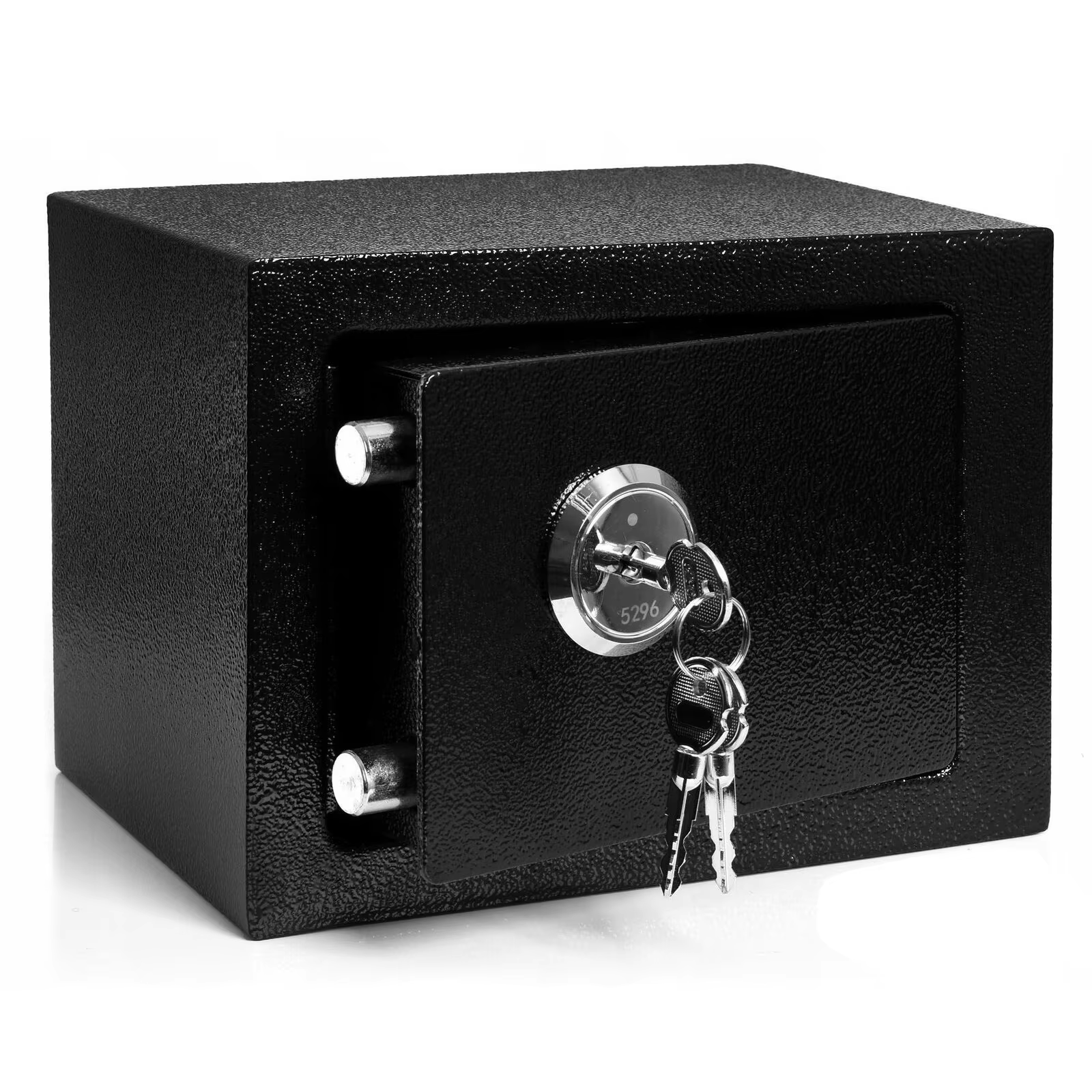
A buyer auditing safe manufacturers was shown a neat assembly hall, a polished sample and a wall of certificates. Ten minutes later, a request to see the weld jig for that same model produced a long walk to a second workshop where the panels were actually formed. The units were fine; the point was that the buyer had been auditing a reception area. Safe manufacturers differ mainly in how much of the process they control under one roof, so the useful audit follows one panel from raw coil to packed carton and checks whether the records travel with it.
Why a showroom visit proves very little
Safe manufacturers build display samples to be looked at, not to prove a shift’s output. A production run is built to a drawing, a jig and a shift schedule, which is where consistency is decided.
The gap between a display unit and a production run
Ask safe manufacturers to see the production drawing for the quoted model, then compare it with the sample on the shelf. Check the door return, the bolt pattern, the hinge model and the position of any label. Differences are normal when a product has been improved; unexplained differences are not. Request the inspection record from a recent batch and pick one serial number at random to see whether a test log exists for it. Safe manufacturers with a traceable system can do this without a meeting. Where the only available record is a general pass certificate, the buyer is looking at an intention rather than a process.
Subcontracted steps nobody mentioned
Forming, welding, pretreatment, powder coating, lock fitting and carton making may happen in different places, and safe manufacturers should name each one. Ask which steps are in-house and name the subcontracted ones in the audit report. A coating line run elsewhere needs its own process record and its own adhesion and corrosion results, because the finish on a steel safe is often the first thing a user judges. A lock fitted by a third party needs a documented intake check. None of this is a reason to walk away; it is a reason to know where a drawing revision can be lost. Ask who signs off a running change at each site and how that decision reaches the packing bench.
Following one panel through the shop
The fastest way to judge safe manufacturers is to trace a single part. The questions are ordinary, and the answers are hard to improvise.
Cutting, folding and the weld jig
Cold-rolled sheet arrives as coil or cut blanks; safe manufacturers then punch and fold it. Look at the tooling: a consistent bend radius and a clean folded return tell a buyer the press brake setup is controlled. Ask how the first article of a shift is checked and where that measurement is written down. At the welding station, look for a jig that locates the panels rather than a fitter eyeballing the frame, and check how spatter is removed before coating. The rear panel and the base joint carry the racking load, so their weld pattern matters more than a decorative seam. Request the weld specification and photograph the jig for the audit file.
Pretreatment, powder and the cure check
Between forming and spraying at safe manufacturers sits the least photographed stage: degreasing, rinsing, a phosphate or equivalent conversion layer, drying, then electrostatic powder application and curing. Ask what is measured at each bath, how often the line is checked, and what happens to a panel that fails. Adhesion and corrosion results should name the method, commonly ISO 2409 with ISO 9227 or ASTM B117 exposure, and cover the same finish being quoted. Look at the hanging arrangement, since folded edges and louvre cut-outs need full coverage. Ask to see a retained coated panel from an earlier batch. Colour consistency across a multi-site rollout starts here, not in the catalogue colour chart.
Records and standards a factory should be able to show
Standards are useful at safe manufacturers only when they turn into a measurement someone writes down.
When ISO 9001 becomes visible on the line
ISO 9001 shows up as controlled drawings at each station, calibrated gauges with dates, a first-article check, a retained sample and an inspection record tied to a serial range. ISO/IEC 17025 is the accreditation to look for on any external laboratory report, whether it concerns UL 72 fire endurance classes or UL 687 and EN 1143-1 burglary resistance. ISO 45001 speaks to how the plant manages workshop safety, which matters on a line handling heavy steel panels. ISO 2859-1 helps a buyer set an incoming sampling plan. Ask for one complete record set from a real batch rather than a folder of certificates; a working system is easier to demonstrate than to describe.
Placing OSHA, NFPA and ANSI at the right boundary
Some requirements belong to the buyer’s premises and should still appear in the order. OSHA 29 CFR 1910.176(b) covers storage and handling of heavy units before installation, alongside the plant’s own material handling practices. NFPA 1 and NFPA 101 concern placement and exit routes at the destination, and NFPA 70 may apply where a powered keypad is wired in. ANSI Z535.4 covers the label artwork on the unit, and ANSI/BIFMA X5.9 or EN 14073-2 with EN 14073-3 may be relevant where the product doubles as office storage. REACH and RoHS declarations cover the coating and electronics. Naming the boundary prevents a requirement from falling between two parties.
A checklist that fits on one page
When auditing safe manufacturers, record the legal entity and the producing workshop, the in-house steps, the subcontracted steps, the drawing revision, the first-article check, the weld jig, the pretreatment sequence, the coating test methods, the lock intake check, the test log tied to serial numbers, the packaging drawing and the rule for approving a running change. Mark each item as observed, documented or stated verbally. Agree one corrective action with a date, then verify it on the first shipment rather than at the next visit. Safe manufacturers working from a customer’s plan or sample are used to this: Huawei Furniture in Luoyang, founded in 1992, runs an in-house design team alongside experienced production staff, and custom orders make drawing control visible in a way a standard catalogue line never does. Re-run the same short checklist annually, because a clean audit describes one day, not the whole year.
Frequently Asked Questions
What is the most revealing question on a factory audit?
Ask safe manufacturers to let a buyer follow one panel from raw sheet to packed carton and to see the record that travels with it. A working system produces a controlled drawing, a first-article measurement, a weld setup, a pretreatment check and an inspection record tied to a serial number without much preparation. A showroom tour produces a polished sample. The difference between those two answers tells a buyer more than a wall of certificates.
Does subcontracting part of the process disqualify a manufacturer?
It does not, but the subcontracted steps have to be named. Coating done elsewhere needs its own process record and adhesion and corrosion results for the exact finish being quoted. Locks fitted off site need a documented intake check and a rule for who approves a running change. Write the split into the audit report so a drawing revision cannot disappear between two workshops, and ask for a contact at each site.
Which coating questions matter most on the shop floor?
Ask about degreasing, rinsing, conversion coating, drying, electrostatic application and the cure check, then request adhesion and corrosion results with the method named, such as ISO 2409 with ISO 9227 or ASTM B117. Look at how panels are hung and whether folded edges and louvre cut-outs get full coverage. Ask to see a retained coated panel from an earlier batch; colour consistency across sites is decided at this stage.
How can a buyer check batch traceability quickly?
Pick one serial number at random from a recent production run and ask safe manufacturers for its inspection record, its lock test log and the drawing revision used. Check that all three match, then compare the retained sample with the sample being quoted. Safe manufacturers who keep records by serial range can answer in minutes. A general pass certificate with no model code or revision is not traceability.
Which standards belong to the buyer rather than the plant?
OSHA 29 CFR 1910.176(b) covers handling and storage of heavy units before installation, NFPA 1 and NFPA 101 cover placement and exit routes, and NFPA 70 may apply to powered keypad wiring. ANSI Z535.4 covers label artwork, while REACH and RoHS declarations cover materials. Record them in the purchase order anyway, so both sides know which documents are expected before the shipment is released.
How often should the audit be repeated?
Run the same short checklist once a year, and again whenever a drawing revision, a coating supplier or a lock model changes. Re-verify anything that was only stated verbally on the first shipment rather than waiting for the next visit. Keep the original checklist with dated photographs, so a later reviewer can see what changed between audits instead of relying on memory.