
 EN
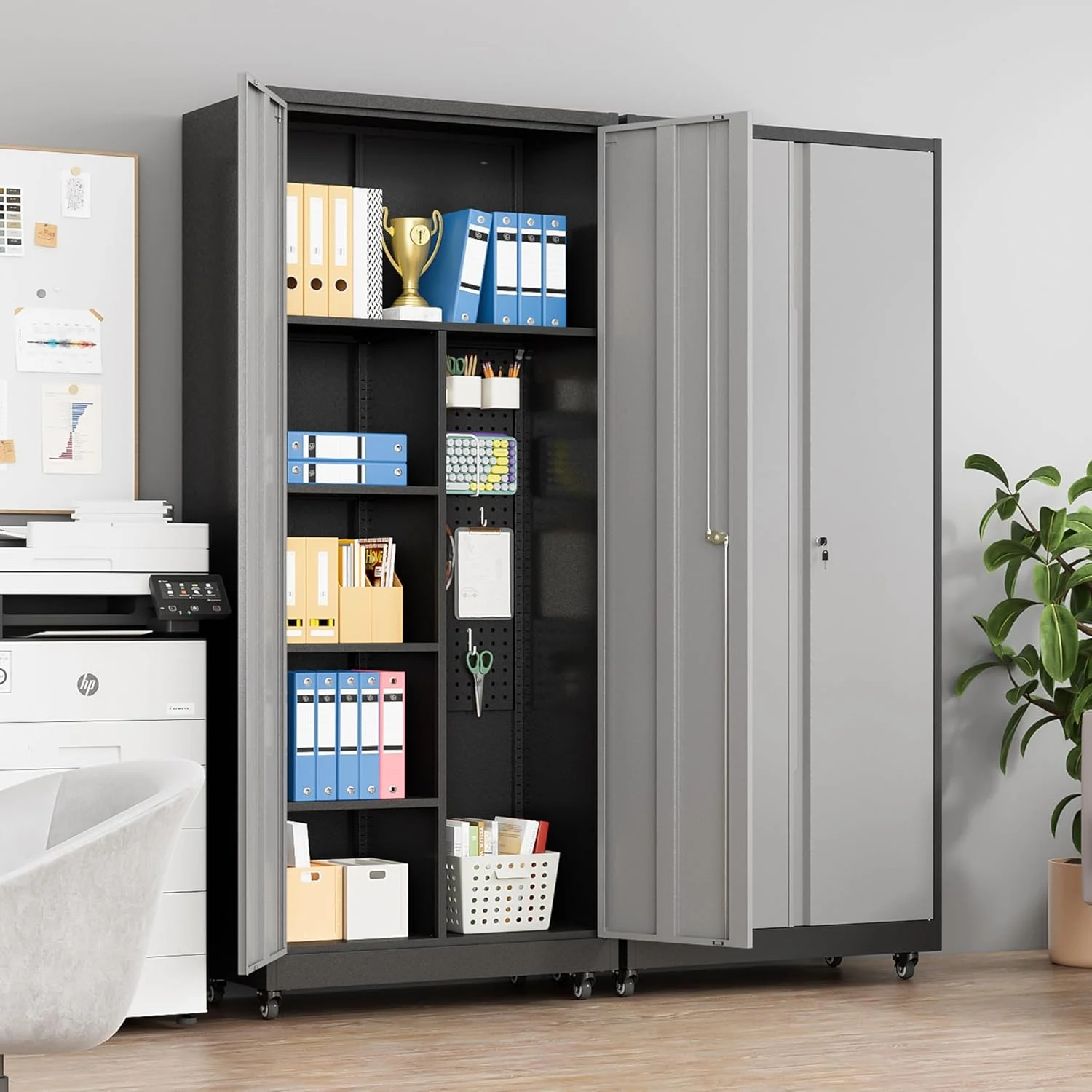
Three spec sheets lay side by side in a district office while a procurement clerk worked through a tender for office filing cabinet units. Prices were close; descriptions were not. One sheet named a slide by travel, another listed only a drawer count, and a third omitted the lock and the filing bar. Two questions stayed open: would A4 and letter folders both sit flat, and could one key pattern cover the order without mixing cam locks. A facility officer noted that a bank of cabinets along a corridor must not pinch the exit route. The tender turned less on steel thickness than on these checkable details.
A Tender Review in a County Office: Drawer Sizes on the Table
Buyers Listed Drawer Count Before Drawer Depth
The opening schedule asked for an office filing cabinet in each bay and said nothing about clear internal depth. A drawer built for letter folders can be too shallow for A4 sleeves laid front to back, while a deeper body costs floor space. Two suppliers quoted the same drawer count with different usable depths, so the clerk could not compare capacity. Depth and the filing bar position decide what fits. Naming the document format first turns a vague count into a dimension anyone can verify on delivery.
Cam Locks, Label Holders, and Duplicate Keys
Locks and labels look minor until an order spans several floors. A cam lock with a shared key pattern lets one facilities key open every unit, while a mixed batch forces staff to carry a ring of keys. A label holder gives each drawer a fixed place for a printed index, so the cabinet stays readable after staff changes. Ask whether duplicate keys and spare cam locks ship with the order. An office filing cabinet specified with these details is easier to audit at handover than one merely called lockable.
What a Spec Sheet Says Versus What a Drawer Actually Holds
How a Wrong Filing Bar Wastes a Whole Drawer
A filing bar is the movable rail that keeps folders upright. Fitted for the wrong format, it floats and lets files lean, or clamps too tightly and bows folder edges. A drawer sized for A4 with a bar set for letter leaves a dead strip at the back. One sheet listed a bar without naming the format. For an office filing cabinet tender, the bar belongs in the same line as its format, because A4 and letter differ in width and height.
Why Letter Folders Bind Against a Narrow Rail
Letter folders and A4 folders do not share the same footprint, and a rail cut for one will pinch the other. For mixed formats, hanging rail spacing and compressor travel must fit the wider sheet without forcing the narrower folder to twist. Binding shows up as folders that catch and tabs that tear, long before metal fails. Load a drawer with both formats and run it fully open and closed. An office filing cabinet that passes that trial saves more handling time than a thicker panel.
Specifying an Office Filing Cabinet: Slides, Bars, and Formats
The Ball-Bearing Slide That a Tender Should Name
The drawer slide is the part a tender should name outright. A ball-bearing slide travels smoothly under a full load and holds alignment better than a plain roller set, and its rated extension decides whether the back folder row is reachable. Ask for the travel, mounting method and rating in writing. Leave it unspecified and two bidders can supply different parts at one price. For an office filing cabinet used all day, the slide sets the daily feel and deserves a line of its own.
Longer Travel Than the Folder Needs, Not Less
Full extension travel is worth specifying with a little margin. A slide that stops short of the back row forces staff to lift folders blind, where tabs tear and files get misfiled. Longer travel is harmless; shorter travel is a daily irritation. Batch consistency follows the same logic for any office filing cabinet tender. The maker in Luoyang, founded in 1992, runs 30,000 square meters of lines with a monthly output of 10,000 pcs, the scale a multi bay order relies on for steady geometry across every office filing cabinet in the run.
Compliance Is Not a Checkbox at Handover
Where ANSI/BIFMA X5.9, ISO 9001, OSHA 1910.37 and NFPA 101 Meet the Tender
Paperwork only helps when each reference maps to something a buyer can check. ANSI/BIFMA X5.9 sets strength and durability expectations for storage units, the natural home for slide cycling, load and stability claims on an office filing cabinet. ISO 9001 supports the process behind repeatable forming, welding and coating, which is why a large order arrives with consistent drawer dimensions. OSHA 1910.37 concerns exit routes, so a bank of cabinets along a corridor must be measured against the clear width. NFPA 101 reinforces the same egress point, and ANSI Z535.4 covers how identification labels are presented. Together these give a tender concrete acceptance points instead of adjectives.
Buying an office filing cabinet: state the document format, A4 / letter or both, then name the slide travel, cam lock key pattern, label holder size and filing bar type in the schedule. Ask bidders to price the same specification and request a dimensioned drawing of the drawer interior.
Inspecting an office filing cabinet on arrival: measure clear internal depth against the schedule, load a drawer with both A4 and letter folders, and run it fully open and closed. Check that every cam lock turns on the shared key and that the filing bar moves without binding. Reject mixed lock patterns early.
Using an office filing cabinet: fill lower drawers first, keep the heaviest folders near the frame, and never leave a fully extended drawer open in a corridor. Set the filing bar so folders stand upright, and keep the bank clear of the exit route so an open drawer never reduces egress width.
Maintaining an office filing cabinet: wipe the slide races, retighten slide mounting bolts, and confirm the cam lock still throws smoothly every few months. Replace a lost label card before indexes drift, and check the filing bar after any layout change. Log which bays need adjustment so recurring faults show up.
Frequently Asked Questions
Q: What should a tender state about document formats?
A: State A4, letter, or both before anything else, because the format sets the clear internal depth, the hanging rail spacing and the filing bar type. Ask for a dimensioned drawer interior rather than a drawer count, then require the same specification from every bidder. That way a quote comparison means something and the delivered cabinet can be checked with a tape on arrival.
Q: Why name the drawer slide in the schedule?
A: A slide named by type and travel gives the buyer something to verify, while a note that says standard hardware lets two bidders supply very different parts at one price. A ball-bearing slide holds alignment under a full load and its rated extension decides whether the back row is reachable. Slide quality shapes the daily feel of a busy cabinet more than almost any other component.
Q: Do shared cam locks matter across a large order?
A: Yes. A single cam lock key pattern lets one facilities key open every unit, so staff do not carry a ring of keys or hunt for the right one. Mixed locks slow retrieval and complicate handover audits. Ask for duplicate keys, spare cam locks and a written key schedule with the order, then confirm at delivery that one key turns smoothly in every drawer.
Q: How does a filing bar affect usable capacity?
A: A filing bar keeps folders upright, so one fitted for the wrong format leaves a dead strip at the back or crushes folder edges. A4 and letter differ in width and height, and the rail spacing plus compressor travel have to suit the chosen hanging system. Loading a drawer with both formats and running it fully open is the quickest way to catch a mismatch.
Q: Which standards support a filing cabinet tender?
A: ANSI/BIFMA X5.9 sets strength and durability expectations for storage, covering slide cycling, load and stability. ISO 9001 underpins repeatable forming, welding and coating so a large order arrives with consistent drawer dimensions. OSHA 1910.37 and NFPA 101 both guard the exit route, so a bank of cabinets must be measured against clear egress width, not just fitted to a wall.
Q: What belongs in an arrival inspection?
A: Measure clear internal depth against the schedule, load a drawer with both A4 and letter folders, and run it fully open and closed. Confirm that every cam lock turns on the shared key, that label holders sit square, and that the filing bar moves without binding. Record any mixed lock pattern or shallow drawer immediately, while the delivery is still on the floor.