
 EN
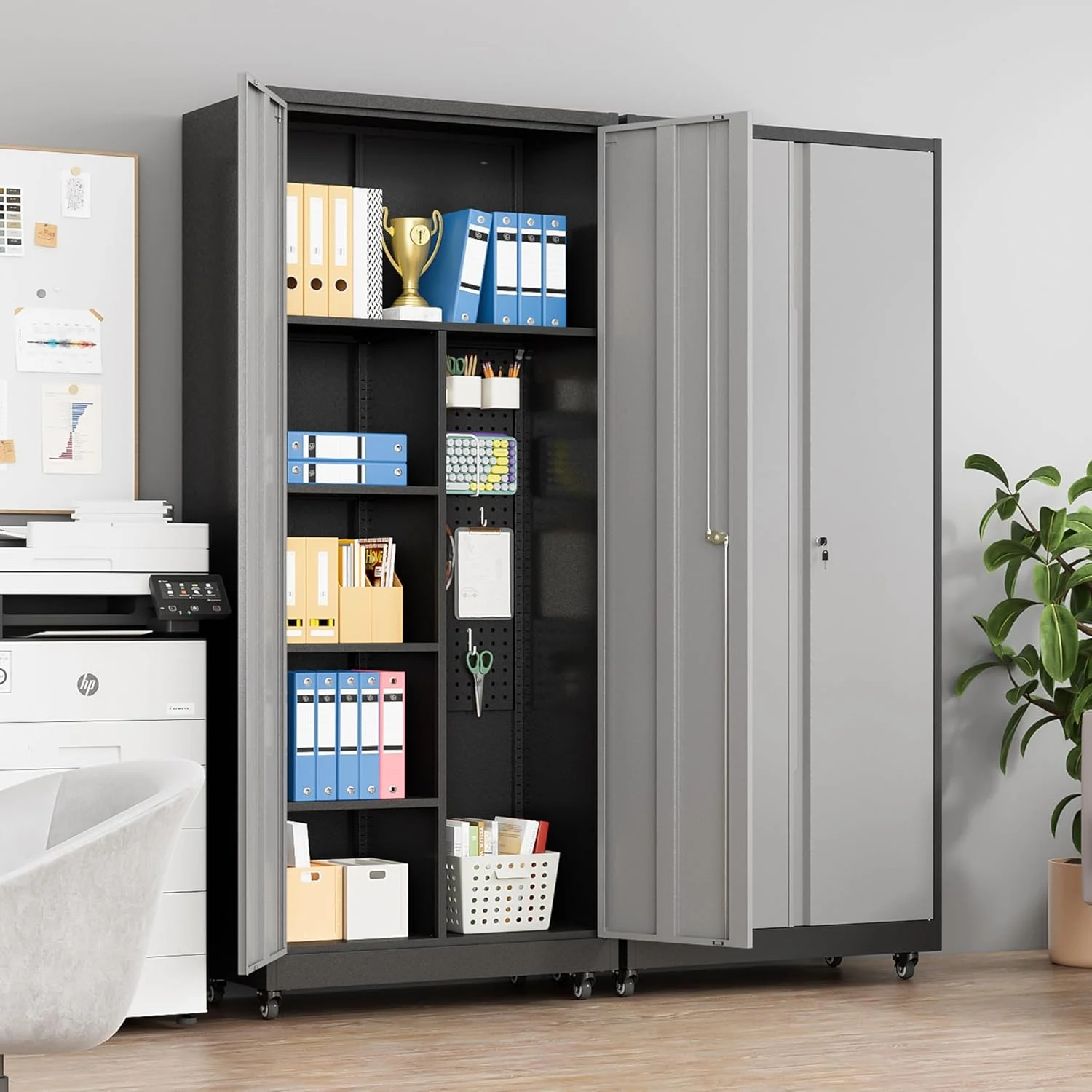
Color chips lie fanned across a facilities desk beside a rolled drawing. The coordinator is checking whether a cabinet run will fit an alcove under a window without blocking a return air grille. One zone is marked for bound archive files, another for toner cartons and spare cables. The tender asks for a single model to cover both, with a lock on each door and a label holder on every front. Before any price is discussed, the open questions are dimensional: what clear width the shelves offer, how the color matches across a batch, and whether the office storage cabinet can be assembled without a workshop.
A Tender Room That Balanced Files, Binders, and Loose Stock
Why Lock Choices Belong in the Bill of Materials
During one tender review, the lock line simply read keyed lock, with no note on key counts. The first sample arrived with a different key for every compartment, and the facilities team managed a bundle during a move. The reviewer added a keyed-alike schedule and a spare key count to the specification. That edit prevented a handover problem a dimension check would never catch. An office storage cabinet is specified as much by its lock schedule as by its height.
A Cam Lock Gives Each Door Its Own Key
On the sample unit, a cam lock turns a short cam behind the door into a keeper on the frame. A clean lock engages without lifting the door, while a stiff one signals that the panel or frame is out of square. The reviewer also counted the label holders and checked that each sat flat. Cam locks, hasps or combination locks suit different zones, but the tender should name one per door so the office storage cabinet arrives consistent.
Fixed Shelving Rarely Handles Mixed Office Loads
On Label Holders: Small Parts That Speed Retrieval
Mixed storage is where a tidy tender meets a messy floor. Archive boxes, binders, toner cartons and cables do not share a height, so fixed shelves waste space or crush tall items. Label holders help only when the shelf pitch can move to match the contents. Without that flexibility, staff stack files on cartons and auditing suffers. Adjustable shelves with a stated pitch range, plus a label holder on each door, turn a single office storage cabinet into a workable zone.
Powder Coating Bonds More Evenly Than Wet Paint
Color consistency across a batch is a common tender friction point. Electrostatic powder coating lays an even film cured in an oven, so panels from different runs match one reference chip more reliably than with wet paint, and the bond resists daily scuffs. Degreasing and phosphating before coating give that film something to grip. A reviewer should ask for adhesion and salt spray evidence and keep an approved panel, so a replacement office storage cabinet blends with the first order.
How Adjustable Shelves and KD Bolts Affect Long-Term Alignment
Measuring Alcove Depth Before Signing Off a Size
External dimensions decide whether an office storage cabinet fits an alcove, but internal clear width decides whether a binder fits at all. The tender should record the alcove depth, the door swing, the grille position and the height under any window sill, then match those figures to the internal shelf span. Adjustable shelves only help when clip positions are stated. A knock-down structure changes the calculation, because a flat packed office storage cabinet must pass through the doorway before assembly.
A Sample Unit on the Desk: Checking KD Fixings
Assembling the sample on the tender desk reveals what a drawing hides. Knock-down panels join with bolts and cam fittings, and their number and position decide whether the case stays square once loaded. The reviewer tightened each bolt in sequence, set the leveling feet and checked the door gaps. Shelf clips should sit at matching heights on both sides, or a loaded shelf will tilt. An office storage cabinet that assembles true stays aligned after a full fit out.
ANSI, ISO, OSHA, NFPA: Turning Clause Numbers Into Site Checks
Clauses That a Compliance Review Will Ask About
A tender gains force when each requirement points to a clause. ANSI/BIFMA X5.9 defines strength and durability tests for storage units, so a buyer can request shelf load and cycle evidence instead of a verbal assurance. ISO 9001 frames quality management behind steady color and gauge, and ISO 14001 covers powder coating. OSHA 1910.37 and NFPA 101 govern exit routes, so a cabinet must never narrow a corridor. A Luoyang manufacturer operating since 1992, with 30,000 square meters and monthly output of 10,000 pcs, can document that consistency. Naming an office storage cabinet against these clauses turns a color preference into an auditable line item.
Buying an office storage cabinet: fix the alcove dimensions, the color reference, the lock schedule and the shelf pitch range before asking for a quote. State whether the unit arrives assembled or flat packed, and name the standard behind each structural claim. That scope lets every supplier bid to the same basis.
Inspecting an office storage cabinet on arrival: compare each panel to the approved color chip under the same light, cycle every cam lock, and confirm the label holders and shelf clips are present. Set the unit level, check the door gap lines, then load one shelf to confirm the supports hold.
Using an office storage cabinet: match shelf heights to the tallest item in each zone, keep heavy boxes low, and use the label holders so contents are found without opening every door. Do not block a grille or corridor with an open door, and keep a spare key per the agreed schedule.
Maintaining an office storage cabinet: wipe coated panels with a mild cleaner, touch up chips before rust creeps under the film, and retighten KD bolts after the first weeks of use. Re-level feet if the floor settles, and keep the approved color panel for any reorder.
Frequently Asked Questions
Q: Which dimensions matter most when specifying an office storage cabinet?
A: External height, width and depth decide whether the unit fits the alcove and passes through the doorway, but internal clear width and shelf span decide what it holds. Record the door swing, the position of any grille or window sill and the egress width along the corridor. For flat packed units, add the assembled size to the drawing so a cabinet that fits on paper also fits in the room.
Q: Can adjustable shelves handle both files and bulky supplies?
A: Yes, provided the pitch range and the load per shelf are both stated in the tender. Adjustable shelves let a team set one zone for binders and another for toner cartons, but the clips and the panel must be rated for the heavier load. Ask for the clip positions and a tested shelf figure, then confirm on the sample that the shelf sits level at every setting.
Q: What lock type suits a shared office storage cabinet?
A: A cam lock with a keyed-alike schedule suits shared zones, because staff can open any door with one key while a spare key stays with the coordinator. Combination locks remove key handling but add reset work, and a padlock hasp fits low security stores. The tender should name one option per door, state the spare key count, and note who holds the master key after handover.
Q: How does powder coating affect color matching across a batch?
A: Electrostatic powder coating is cured in an oven, which gives an even film that can be matched to a single approved chip across repeat runs. Pretreatment by degreasing and phosphating helps the film bond and resist scuffs. Keep the approved panel as the reference, ask for adhesion and salt spray evidence, and compare delivered doors under the same light before accepting a large order.
Q: What should a tender ask for regarding KD structure and assembly?
A: Ask whether the unit ships assembled or flat packed, list the bolt and cam fitting count, and request an assembly sequence. State the doorway and lift dimensions so flat panels can reach the room, and require the sample to be built on site. The reviewer should tighten fixings in order, set the leveling feet and check that door gaps stay even once shelves are loaded.
Q: Which standards apply to office cabinet placement and egress?
A: OSHA 1910.37 and NFPA 101 govern exit routes and egress width, so a cabinet must not narrow a corridor or a door swing. ANSI/BIFMA X5.9 covers the strength and durability of the unit itself, while ISO 9001 and ISO 14001 frame the quality and environmental management behind the order. Referencing these clauses in the tender gives the reviewer a clear, auditable acceptance basis.