
 EN
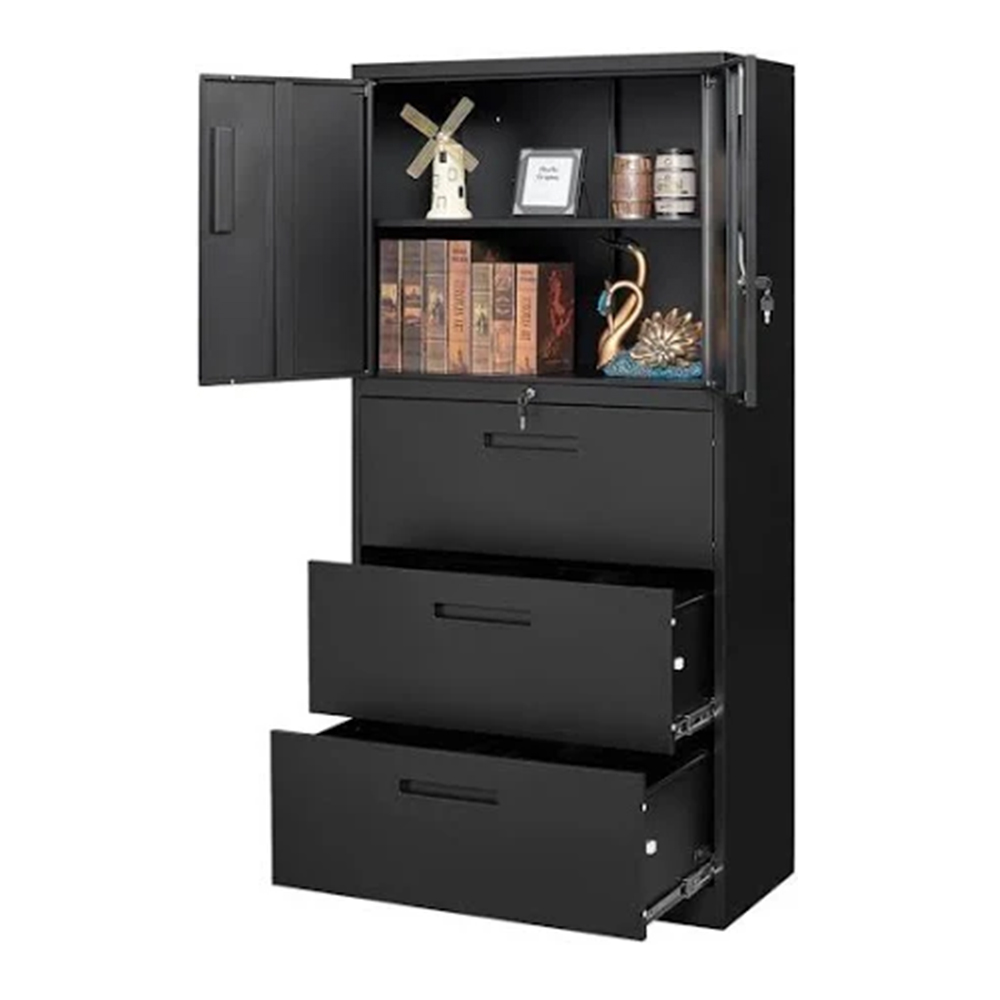
At the start of a shift in a personnel records room, a coordinator unlocks a cabinet row and signs a paper log before any folder leaves a drawer. The request is routine, yet the stakes are not: salary reviews, disciplinary notes, and identity copies sit behind the same steel doors. Procurement teams sourcing a lockable file cabinet for such a room rarely start with paint color or drawer count. They start with who holds a key, how many keys exist, and what happens when a key leaves the building. A sourcing brief written around those questions changes the specification entirely, from the lock grade upward.
Field Case: Handling a Personnel Records Purchase
Key handovers revealed an unofficial signing habit
A walkthrough of a records room showed a habit that no policy document mentioned. Staff passed a single cabinet key across desks by hand, and whoever needed a personnel file simply borrowed it. One afternoon a drawer sat closed but unlatched, contents exposed to the aisle. The remedy was procedural rather than structural: a bound key ledger, a signed handover at each shift change, and a sealed envelope for the spare held by a supervisor. The sourcing brief later named key control beside every lockable file cabinet in the row.
Where the spare-key envelope stayed during shifts
The position of the spare key mattered as much as the key count. A duplicate hung on a hook near the door, reachable by any visitor during a busy morning. Relocating it to a supervisor cabinet and logging every withdrawal closed an easy loophole. For a lockable file cabinet order, that observation translates into keyed-alike or keyed-different options, a documented master-key hierarchy, and a clear rekey path when staff change roles. Buyers specifying only the lock type inherit the factory default key arrangement.
Why Confidentiality Depends on Lock Grading
What a cam lock offers versus a central lock
A cam lock turns a small cam behind each door, cheap to replace and adequate where one drawer holds one person files. A central lock drives a vertical rod that engages every drawer in the pedestal at once, which suits a lockable file cabinet holding a whole department records set. A central mechanism reduces keys in circulation and makes a lock check a single action. Combination locks remove the physical key entirely, trading it for a code that can be reset after staffing changes.
A shared master key does not settle access control
Granting every team member the same master key simplifies daily access yet erases accountability. When a file goes missing, a shared key leaves no trail back to a specific hand. A tiered arrangement works better: individual cam locks for personal drawers, a supervisor master for the central lock, and a sealed record of which key was issued to whom. A lockable file cabinet in an HR setting depends on that chain of custody more than on steel thickness. A sourcing brief should ask how fast a lost key is retired and a cylinder swapped.
Specifying Bolt Throw, Pry Gaps, and Drawer Interlocks
Central locks that govern every drawer in a stack
Inside a lockable file cabinet, a central lock moves a steel rod up the cabinet spine, and short bolts at each drawer height catch the rod when it turns. Bolt throw decides resistance to a pry bar at the door edge. A long throw combined with a tight door gap and a reinforced hinge side leaves little leverage. Cold-rolled steel sheet, laser cut and CNC bent then spot welded, gives the rod a rigid housing. Degreasing and phosphating before electrostatic powder coating keep that housing aligned after repeated cycles.
How a drawer interlock restrains simultaneous opening
A drawer interlock is a simple mechanical gate: once one drawer is pulled, a latch blocks the others from travelling. Its first job is anti-tip stability, since two loaded drawers extended can pitch a cabinet forward. Its second job is confidentiality, since a single open drawer limits how far a passerby can browse. Check the mechanism with all drawers loaded, since friction changes under weight. Specifiers often confirm that the interlock releases cleanly on a lockable file cabinet when the open drawer is pushed fully home, with no binding at the ball-bearing slides.
Codes, Tests, and Handling Notes for Lockable File Cabinet Orders
Recognized standard families shape a defensible specification
Reference bodies give a purchase order a shared language. ANSI/BIFMA X5.9 sets strength and durability expectations for storage units, so a lockable file cabinet can be judged by cycle and load tests rather than appearance. ISO 9001 speaks to the quality management system behind consistent mass production, relevant to a Luoyang factory founded in 1992 with 30,000 square meters of production space and a monthly output of 10,000 pcs. OSHA 1910.176 covers material storage and tipping hazards, which ties directly to anchoring and interlock behavior. NFPA 101 addresses exit width and aisle clearance, so a records row must not narrow an escape route.
Buying a lockable file cabinet: State the lock grade, key hierarchy, and cylinder change procedure in the specification. Ask whether drawers are keyed alike or keyed differently, whether a master key exists, and how a lost key is retired. Confirm steel gauge, bolt throw, and door gap, then request a sample built to the production drawing.
Inspecting a lockable file cabinet on arrival: Check each lock cylinder for smooth rotation, confirm the bolt fully seats, and look for pry marks or a loose hinge side. Open one drawer and confirm the interlock blocks the rest. Verify the key ledger matches the delivered key set and that mail order packing protected corners and coating.
Using a lockable file cabinet day to day: Load only one open drawer at a time, keep the key ledger current, and return folders before the shift ends. Rotate combination codes when staff change roles. Anchor the cabinet to the floor where traffic is heavy, and keep the aisle in front of the row clear per the site evacuation plan.
Maintaining a lockable file cabinet: Wipe the powder-coated surface with a mild cleaner, avoid solvents near the cylinder, and clear dust from the bolt channel. Cycle each lock and drawer on a fixed schedule. Re-lubricate slides sparingly, re-tighten leveling feet, and rekey promptly after any unexplained key loss.
Frequently Asked Questions
Q: What lock grade suits a personnel records cabinet?
A: A central lock generally fits a multi-drawer unit holding a department set, because one turn secures every drawer and reduces keys in circulation. A cam lock suits a personal unit where one person holds one key. A combination lock helps where key loss is frequent, provided codes rotate after staffing changes. Grade the choice by who needs access, how access is logged, and how fast a lost credential can be retired without replacing the cabinet.
Q: How should spare keys be controlled for a lockable file cabinet?
A: Keep one working key with the assigned user and seal the spare under a supervisor, with both recorded in a bound ledger. Every handover should carry a signature and a time slot, so a missing file traces back to a specific hand. A master key, if issued, should sit apart from daily keys and be used only for override. Rekey cylinders when roles change, and never leave a duplicate on an open hook near the cabinet row.
Q: Can a combination lock replace a keyed cam lock on HR files?
A: It can, and the trade is physical keys against shared codes. A combination lock removes the risk of a lost or copied key and lets a supervisor reset the code after a staffing change. The weak point is the code itself, which spreads quickly if written down or told across a team. For a personnel records room, a combination unit works well on a single-drawer cabinet, while a keyed central lock still suits a shared multi-drawer stack.
Q: What does a drawer interlock add to confidentiality and safety?
A: An interlock allows only one drawer to travel at a time, which does double duty. It keeps a loaded cabinet from pitching forward when several drawers are pulled, addressing a tipping hazard covered by OSHA rules on material storage. It also limits how widely a passerby can browse open files, since a single open drawer exposes one section rather than the whole stack. Confirm the gate releases cleanly when that drawer is closed fully.
Q: How is pry resistance checked on arrival?
A: Inspect the closed door for a tight, even gap and push a thin card along the edge to feel where a lever could enter. Turn the key and confirm the bolt seats fully with no wobble, then check the hinge side for reinforcement and stray weld marks. Look for dents or pry scars on the frame from transit. A cabinet that passes these simple checks usually pairs a long bolt throw with a rigid cold-rolled steel housing.
Q: Which standards belong in a purchase order for HR cabinets?
A: Name ANSI/BIFMA X5.9 for strength and cycle durability of the storage unit, and ISO 9001 for the quality management system behind steady production. OSHA 1910.176 belongs where anchoring and tipping are addressed, and NFPA 101 where a cabinet row could affect exit width or aisle clearance. Asking a supplier to map each clause to a drawing or test record turns a generic claim into a checkable acceptance point at delivery.