
 EN
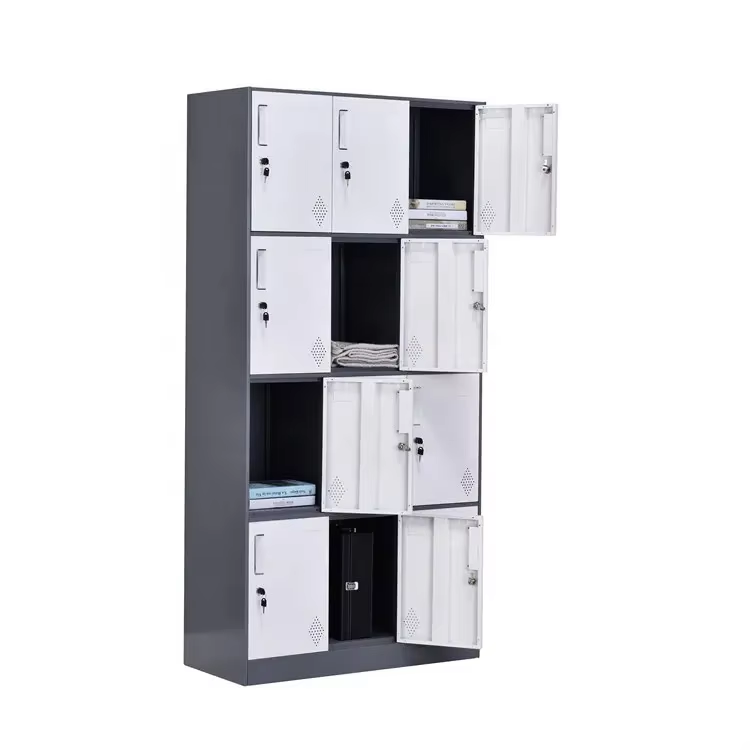
A records manager ordered a batch of quality safe units for three branch offices after comparing door thickness and a photograph of a bolt. The units arrived with a fire-rated label on the carton, but the report the buyer later requested covered a different model in the same family. The cabinets were still solid steel; they simply were not the product the sites thought they were getting. A quality safe decision is rarely about finding the strongest box on a page. It is about matching a written construction, a stated rating and a documented lock to what a workplace actually stores, then checking that all three survive the trip to the loading dock.
Where a quality safe purchase goes off track
Two shortcuts cause most of the trouble, and both look harmless at quotation stage.
Judging a unit by its door thickness alone
A thick door on a lightly built frame does not make a quality safe. Load travels through the rebated frame, the hinge-side bolts, the weld around the door opening and the anchoring into the floor. Ask for a sectional drawing showing the door assembly, the barrier layer if there is one, the boltwork layout and the fixing points. Check whether the bolts engage on the hinge side as well as the opening side, and whether a relocker sits behind the lock. Surface finish belongs in the same conversation: folded returns and louvre cut-outs are where a coating fails first, so request adhesion and corrosion results with the method named, such as ISO 2409 with ISO 9227 or ASTM B117.
Confusing a lock listing with a cabinet rating
For a quality safe, a resettable keypad listed under UL 768 is a good component, and a cabinet carrying a UL 72 fire class is a good enclosure. Neither one says anything about the other. Ask for each report separately, with the laboratory, date, model code and tested configuration. A quality safe file that contains a single certificate usually means the buyer has one of the two questions unanswered. Where a master key system is chosen instead of codes, get the key schedule, the spare key count and the custody rule in writing. A lock decision made late tends to be redone after the first staff turnover.
What the construction actually delivers
Understanding what each layer of a quality safe does makes a specification shorter, because a buyer learns which few details control the rest.
Shell, rebated frame and boltwork geometry
A quality safe body is folded and welded into a shell, with a heavier door assembly seated in a rebated frame. The rebate matters: it removes the straight prying gap a flat overlap would leave. Boltwork should extend into the frame on three sides, with solid rod guides and a reinforced plate behind the cylinder. Hardplate around the lock area resists drilling, and the relocker blocks the bolts independently if the lock is attacked. Ask which parts are welded and which are fastened, whether the guides can be serviced, and what the acceptance criterion is for door gap. Photograph the door edge of the approved sample; that one image settles more later disputes than a paragraph of description.
Fire barriers, intumescent seals and moisture
Fire-resistant construction in a quality safe is a separate engineering problem. An insulated barrier between the steel skins slows heat transfer, and an intumescent seal around the door opening expands under heat to close the gap against hot gases and steam. UL 72 separates classes by internal temperature and by content type, so a class suited to paper files is not automatically suited to magnetic or digital media. A sealed insulated box also holds moisture, which is why desiccant and periodic airing belong in the site procedure. Ask whether the barrier is continuous around the lock area and how the seal is protected during cleaning, since a damaged seal changes the performance the rating describes.
Ratings and documents that survive review
Quality safe paperwork is only useful when it can be tied to the exact unit on the pallet and to a drawing revision.
Reading UL 72, UL 687 and EN 1143-1 side by side
UL 72 addresses fire endurance and internal temperature classes. UL 687 covers burglary-resistant construction through attack-time classifications, while EN 1143-1 assigns resistance grades under a different test regime; EN 14450 sits below them for lighter secure storage in S1 and S2 classes. Grades do not convert neatly between systems, so check which standard the destination’s insurer or facilities policy recognises before choosing. Ask which anchoring method was used in the test, because that condition travels with the rating. ISO/IEC 17025 is the accreditation to look for on the issuing laboratory, and ISO 9001 speaks to whether the next batch is built the same way.
Where OSHA, NFPA and ANSI enter the specification
Some quality safe requirements sit with the buyer rather than the factory, yet they still belong in the order. OSHA 29 CFR 1910.176(b) covers secure storage and handling of heavy units before installation, NFPA 1 and NFPA 101 concern placement and exit routes, and NFPA 70 may apply where a powered keypad is wired in. ANSI Z535.4 covers the wording and symbols on user labels, so request the artwork before printing. ANSI/BIFMA X5.9 or EN 14073-2 with EN 14073-3 may be relevant where the unit doubles as office storage. REACH and RoHS declarations cover the coating and electronics, and ISO 2859-1 gives a defensible incoming sampling plan.
A short specification and inspection routine
For a quality safe order, put the model code, drawing revision, external and internal dimensions, door and frame construction, lock model, key or code schedule, anchoring kit, finish reference, serial numbering, carton grade and release documents into one sheet. State which rating applies and attach the matching report with its model code. Agree the acceptance criteria before production: how a door gap is measured, what counts as a coating defect, and which documents release the shipment. Require written approval for any component substitution. Ask the factory to retain a sample from each production run. Huawei Furniture, a Luoyang steel office furniture maker founded in 1992, works from customer plans and samples with an in-house design team, which is the sort of setup where a buyer can get these details onto a controlled drawing before anything is cut. On arrival, open cartons from the top, middle and bottom of a pallet, compare the label and the boltwork with the sealed sample, and log any mismatch against the serial number.
Frequently Asked Questions
What should a written specification include for these units?
For a quality safe unit, name the model code and drawing revision, external and internal dimensions, door and frame construction, boltwork layout, lock model and key or code schedule, anchoring kit, finish reference, serial numbering and carton grade. State which rating applies and attach the report with the exact model code. Add acceptance criteria for door gap and surface defects, plus a rule that no component substitution ships without written approval.
Does a thicker door mean a better cabinet?
Not on its own. Load travels through the rebated frame, the hinge-side bolts, the weld around the opening and the anchoring into the floor. Ask for a sectional drawing and look at how the boltwork engages on all sides, whether a relocker sits behind the lock and how the frame is joined. A thick panel on a light frame still leaves a prying gap. Photograph the approved door edge so later batches have a physical reference.
How do fire and burglary ratings differ?
UL 72 measures fire endurance and the internal temperature a unit holds for a given content class, using an insulated barrier and an expanding door seal. UL 687 and EN 1143-1 address tool attack on the shell and boltwork under different test regimes. EN 14450 covers lighter secure storage in S1 and S2 classes. Ask for a separate report for each risk, and check which standard the destination’s insurer recognises.
Why does the anchoring method matter to a rating?
A rating is measured with the unit fixed in a defined way. If the site uses a different fixing or a different substrate, the tested behaviour no longer describes the installation. Ask for the anchoring description from the report and the fixing point locations from the factory, then let the facilities team choose fasteners suited to the actual floor or wall. Record that decision in the installation file.
What should be checked when the first pallet arrives?
Open cartons from the top, middle and bottom of the pallet, since transit damage clusters at the edges. Compare the rating label, lock model, boltwork and door edge with the sealed sample, and check the carton interior against the approved photograph. Use a sampling plan such as ISO 2859-1 rather than a single unit. Log any mismatch against the serial number and the drawing revision, not as a general impression.
Which standards apply at the buyer’s premises?
OSHA 29 CFR 1910.176(b) covers storage and handling of heavy units before installation, NFPA 1 and NFPA 101 cover placement and exit routes, and NFPA 70 may apply to powered keypad wiring. ANSI Z535.4 covers the user labels, while REACH and RoHS declarations cover materials. Put these in the purchase order so the supplier knows which documents and artwork the buyer expects before the shipment is released.