
 EN
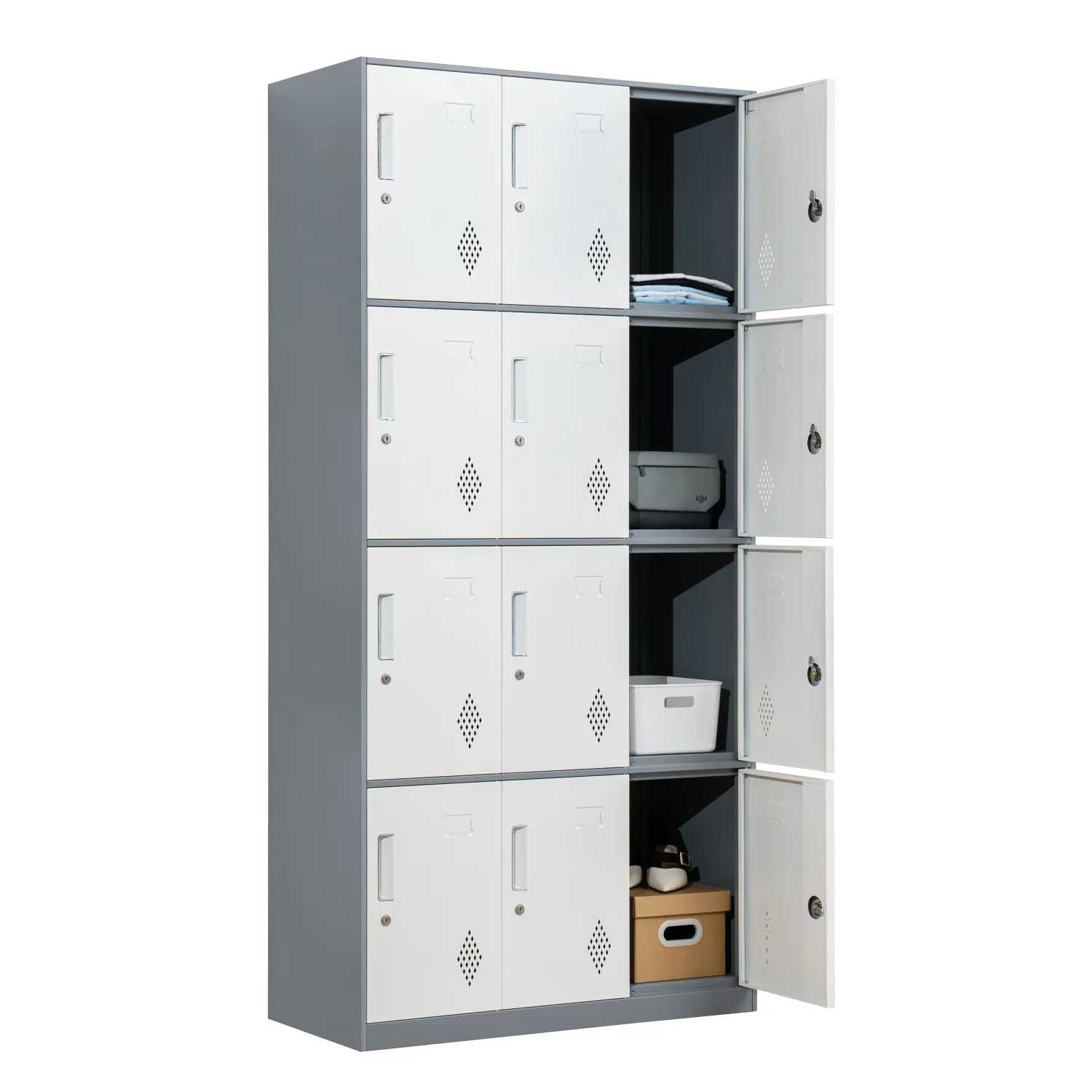
Why a Small Single Locker Fits Today’s Space-Conscious Workplaces
A small single locker offers one full-height compartment with a narrow footprint—typically around 35 cm wide, 46 cm deep, and 185 cm tall—making it ideal for modern offices, clinics, and schools where floor area is at a premium. Unlike multi-tier lockers that divide storage into shallow cubbies, this format gives each user the entire vertical space for hanging coats, storing helmets, or securing a work bag during a shift. That full-height access reduces reliance on separate coat closets or overflow bins, which can quickly consume valuable square footage.
Because the unit is compact, facility planners can arrange rows along underused walls, in alcoves, or near entryways without impeding circulation. One user per locker also simplifies assignment and accountability: there’s no shared space to manage, and lost-key or mix-up issues become far less frequent. In hot-desking and flexible work environments—where employees may not have a permanent desk—a small single locker provides a stable, personal storage point without requiring a large bank of furniture.
The same design can serve as a subtle space divider or boundary, replacing fixed walls while still allowing light and movement. For organizations balancing security, accessibility, and density, the small single locker often delivers the highest practical value per square foot when users need to store larger personal items—not just wallets and phones.
Key Features That Define a High-Performance Small Single Locker
When evaluating a small single locker, construction quality and space efficiency matter as much as price. The right unit should secure personal items while fitting tight floor plans and daily workflows.
Durable Materials and Locking Mechanisms
A high-performance small single locker should use powder-coated steel or reinforced ABS plastic to resist dents, scratches, and moisture. In demanding settings, look for 18-gauge steel bodies and 16-gauge doors. Locking options include keyed cam locks, combination dials, and RFID or PIN electronic locks; electronic models add keyless convenience and audit trails. Vents or louvered panels improve airflow and reduce odor buildup, while recessed or tamper-resistant hardware protects belongings.
Optimized Dimensions and Ergonomic Access
Compact personal units often measure 35 cm wide, 46 cm deep, and 185 cm high, while institutional lockers typically run 15–18 inches wide and 78 inches tall. Choose a depth that fits stored items: 15–18 inches works for bags and coats, while slimmer units suit documents. A 6-inch leg base simplifies floor cleaning and anchoring. Side-hinged doors should open within a 90-degree radius for tight rows, and locks or handles should sit at heights accessible to most users.
Applications Across Industries: From Offices to Healthcare and Education
A small single locker serves many sectors because it combines a compact footprint with assigned, lockable security. Whether in offices, clinical environments, or schools, the value lies in personal storage that does not demand large floor areas. From hot-desking to hygiene, the core requirement is a secure, personal slot that remains accessible at a moment’s notice.
Office Hot-Desking and Shared Workspace Integration
In flexible offices, a compact single locker gives hot-desking employees a fixed point for laptops, chargers, and personal items. This reduces desk clutter and speeds desk turnover between shifts. Unlike open cubbies or shared cabinets, a dedicated unit lowers theft risk and cross-contact. Placing lockers near entrance zones or touchdown areas helps workers settle quickly without carrying bags between desks. Schools and training centers also use them for visitor bags and student devices when full-size lockers would dominate narrow corridors. This amenity supports employee experience and reduces friction during workspace changes.
Secure Personal Storage in Clinical and Lab Environments
In clinical and lab settings, a single locker isolates street clothes, phones, and food from regulated materials—supporting infection-control protocols and changing-room compliance. Compact units fit tight corridors, letting staff store and retrieve items without leaving the floor. Many facilities choose solid-body or antimicrobial surfaces to simplify cleaning and reduce cross-contamination. Lockable compartments also deter theft of personal medications or devices, lowering audit risk and protecting patient and staff safety.
How to Choose the Right Small Single Locker for Your Needs
Selecting a small single locker requires more than comparing door counts. Start by mapping daily traffic, user needs, and available floor area. That step helps you avoid oversized compartments that waste space or undersized units that force users to leave items in open areas. A clear selection framework prevents costly replacements and keeps daily operations running smoothly.
Matching Security, Ventilation, and Compliance Requirements
Match the locking mechanism and body construction to the actual user group. Tamper-resistant edges and simple latches suit elementary schools, while adult gyms and clinics benefit from stronger locks and built-in ventilation. Check local fire, accessibility, and hygiene codes before finalizing any unit. Confirm that the selected materials resist moisture and frequent impact in demanding environments. Smaller compartments around 12x12x15 inches suit personal items for younger students, while 12x18x18 inch sections better accommodate sports gear and winter clothing.
Installation Flexibility: Freestanding, Wall-Mounted, or Modular
Installation method affects daily flow and long-term maintenance. Freestanding units allow quick relocation during layout changes. Wall-mounted lockers keep floors clear in narrow hallways and changing rooms. Modular systems adapt to irregular spaces and future growth. Evaluate anchoring, wall load, and clearance for door swing before purchase. Also match depth and height to stored items; a shallow locker may not fit bulky workwear or medical bags, while an overly deep unit can block walkways in compact areas. A correctly placed unit improves access without crowding the workspace.
FAQ
What are the standard dimensions of a small single locker?
Typically, a small single locker measures around 35 cm wide, 46 cm deep, and 185 cm tall, providing a full-height compartment for personal storage needs.
What materials are best for a durable small single locker?
Powder-coated steel or reinforced ABS plastic are ideal materials for durability, resisting dents, scratches, and moisture effectively.
How can small single lockers be integrated into office layouts?
Small single lockers can be placed along underused walls, alcoves, or near entryways, offering secure spaces without impeding circulation in modern office environments.
Are small single lockers suitable for clinical settings?
Yes, these lockers are ideal for clinical environments, helping isolate personal items while supporting hygiene and infection-control protocols.
What locking mechanisms are available for small single lockers?
Options include keyed cam locks, combination dials, RFID locks, and PIN electronic locks, providing varying levels of security and convenience.
Table of Contents
- Why a Small Single Locker Fits Today’s Space-Conscious Workplaces
- Key Features That Define a High-Performance Small Single Locker
- Applications Across Industries: From Offices to Healthcare and Education
- How to Choose the Right Small Single Locker for Your Needs
-
FAQ
- What are the standard dimensions of a small single locker?
- What materials are best for a durable small single locker?
- How can small single lockers be integrated into office layouts?
- Are small single lockers suitable for clinical settings?
- What locking mechanisms are available for small single lockers?