
 EN
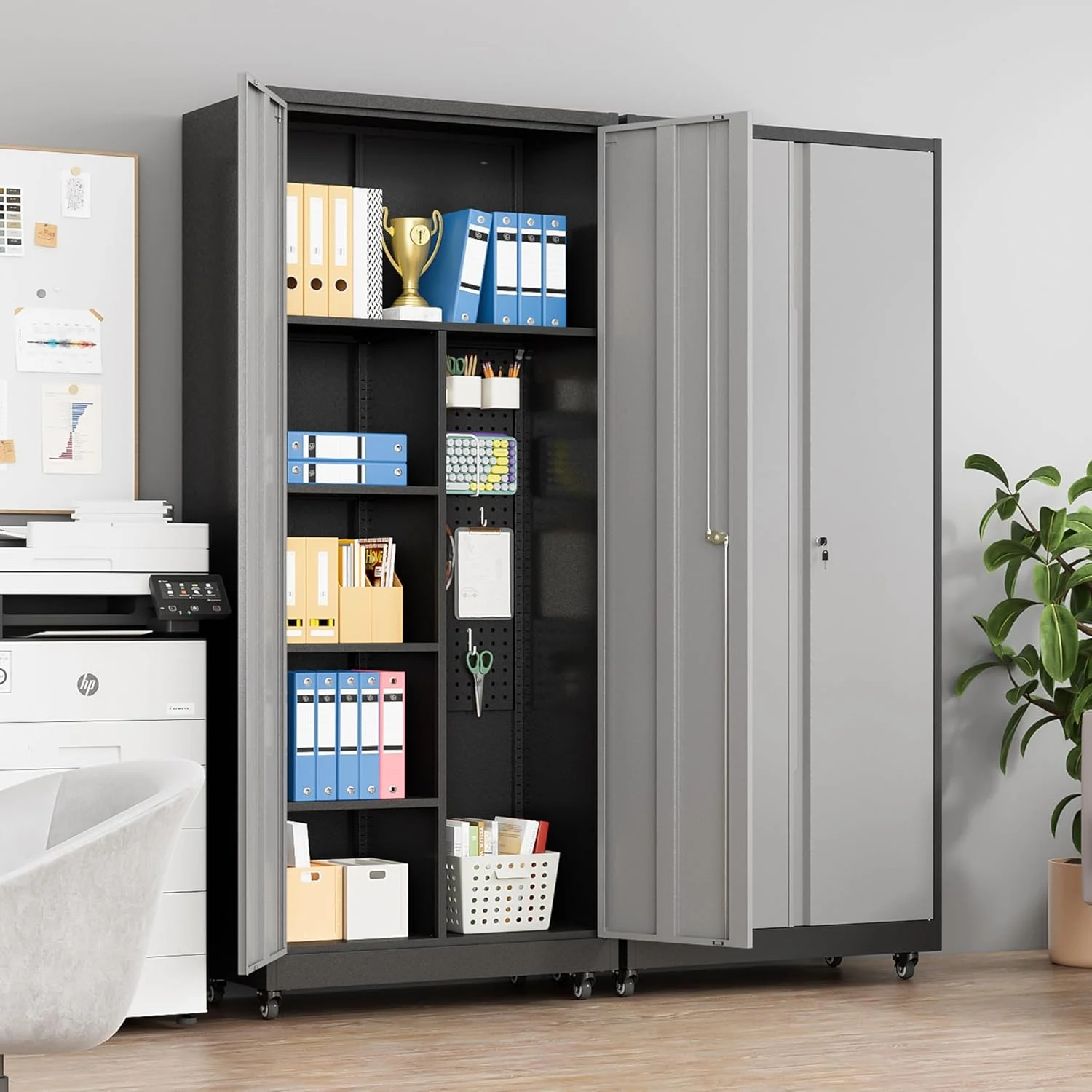
Three spec sheets lay side by side in a district office while a procurement clerk worked through a tender for office filing cabinet units. Prices were close; descriptions were not. One sheet named a slide by travel, another listed only a drawer count, and a third omitted the lock and the filing bar. Two questions stayed open: would A4 and letter folders both sit flat, and could one key pattern cover the order without mixing cam locks. A facility officer noted that a bank of cabinets along a corridor must not pinch the exit route. The tender turned less on steel thickness than on these checkable details.
A Tender Review in a County Office: Drawer Sizes on the Table
Buyers Listed Drawer Count Before Drawer Depth
The opening schedule requested an office filing cabinet in each bay and did not specify clear internal depth. A drawer designed for letter folders may be too shallow for A4 sleeves placed front-to-back, whereas a deeper cabinet body consumes more floor space. Two suppliers quoted the same number of drawers but with differing usable depths, so the clerk could not compare actual storage capacity. Depth and the position of the filing bar determine what fits inside. Naming the document format first transforms an ambiguous count into a measurable dimension that anyone can verify upon delivery.
Cam Locks, Label Holders, and Duplicate Keys
Locks and labels seem minor until an order spans several floors. A cam lock with a shared key pattern lets one facilities key open every unit, while a mixed batch forces staff to carry a ring of keys. A label holder gives each drawer a fixed place for a printed index, so the cabinet stays readable after staff changes. Ask whether duplicate keys and spare cam locks ship with the order. An office filing cabinet specified with these details is easier to audit at handover than one merely called lockable.
What a Spec Sheet Says Versus What a Drawer Actually Holds
How a Wrong Filing Bar Wastes a Whole Drawer
A filing bar is the movable rail that keeps folders upright. Fitted for the wrong format, it floats and lets files lean, or clamps too tightly and bows folder edges. A drawer sized for A4 with a bar set for letter leaves a dead strip at the back. One sheet listed a bar without naming the format. For an office filing cabinet tender, the bar belongs in the same line as its format, because A4 and letter differ in width and height.
Why Letter Folders Bind Against a Narrow Rail
Letter folders and A4 folders do not share the same footprint, and a rail cut for one will pinch the other. For mixed formats, hanging rail spacing and compressor travel must fit the wider sheet without forcing the narrower folder to twist. Binding shows up as folders that catch and tabs that tear, long before metal fails. Load a drawer with both formats and run it fully open and closed. An office filing cabinet that passes that trial saves more handling time than a thicker panel.
Specifying an Office Filing Cabinet: Slides, Bars, and Formats
The Ball-Bearing Slide That a Tender Should Name
The drawer slide is the part a tender should name outright. A ball-bearing slide travels smoothly under a full load and holds alignment better than a plain roller set, and its rated extension decides whether the back folder row is reachable. Ask for the travel, mounting method and rating in writing. Leave it unspecified and two bidders can supply different parts at one price. For an office filing cabinet used all day, the slide sets the daily feel and deserves a line of its own.
Longer Travel Than the Folder Needs, Not Less
Plena extensio cursus merito specificanda est cum parva margine. Glisso qui desinit ante ultimam sedem cogit personalem ad levandos fasciculos caecos, ubi tabellae lacerantur et documenta inordinate collocantur. Longior cursus innoxius est; brevior cursus cotidiana est irritatio. Consistentia partium sequitur eandem rationem pro quolibet officii armario archivorum ad quod offertur. Fabricator in Luoyang, conditus anno 1992, regit 30 000 metra quadrata lineis cum productione mensuali 10 000 peciarum, magnitudo qua ordo multiplex innititur ad stabilem geometricam formam in omni officii armario archivorum in cursu.
Compliantia Non Est Casus Quem Libere Adnotare Licet Ad Tradendum
Ubi ANSI/BIFMA X5.9, ISO 9001, OSHA 1910.37 et NFPA 101 Conveniunt Ad Offertam
Paperwork only helps when each reference maps to something a buyer can check. ANSI/BIFMA X5.9 sets strength and durability expectations for storage units, the natural home for slide cycling, load and stability claims on an office filing cabinet. ISO 9001 supports the process behind repeatable forming, welding and coating, which is why a large order arrives with consistent drawer dimensions. OSHA 1910.37 concerns exit routes, so a bank of cabinets along a corridor must be measured against the clear width. NFPA 101 reinforces the same egress point, and ANSI Z535.4 covers how identification labels are presented. Together these give a tender concrete acceptance points instead of adjectives.
Buying an office filing cabinet: state the document format, A4 / letter or both, then name the slide travel, cam lock key pattern, label holder size and filing bar type in the schedule. Ask bidders to price the same specification and request a dimensioned drawing of the drawer interior.
Inspecting an office filing cabinet on arrival: measure clear internal depth against the schedule, load a drawer with both A4 and letter folders, and run it fully open and closed. Check that every cam lock turns on the shared key and that the filing bar moves without binding. Reject mixed lock patterns early.
Using an office filing cabinet: fill lower drawers first, keep the heaviest folders near the frame, and never leave a fully extended drawer open in a corridor. Set the filing bar so folders stand upright, and keep the bank clear of the exit route so an open drawer never reduces egress width.
Maintaining an office filing cabinet: wipe the slide races, retighten slide mounting bolts, and confirm the cam lock still throws smoothly every few months. Replace a lost label card before indexes drift, and check the filing bar after any layout change. Log which bays need adjustment so recurring faults show up.
Quaestiones Frequenter Rogatae
Q: What should a tender state about document formats?
A:Stata A4, littera, aut utrumque ante cetera, quia forma determinat profunditatem internam claram, spatium inter rales pendentes, et genus baculi archivandi. Roga pro interiori cistulae mensurato potius quam pro numero cistularum, deinde exige eandem specificatonem ab omni offerente. Sic comparatio pretiorum re vera significat aliquid, et armarium acceptum verificari potest cum fuso metrico adveniente.
Q: Cur nomen cursoris cistulae in programma ponitur?
A:Cursor nominatus per genus et cursus emptorem aliquid habere facit ad verificandum; nota autem quae dicit 'hardware standard' permittit duobus offerentibus partes valde diversas ad unum pretium suppeditare. Cursor cum sphaerulis metallicis alignmentem tenet sub onere pleno, et extensio eius aestimata decidit utrum series posterior adtingi possit. Qualitas cursoris diem cotidianum armarii occupati magis format quam fere quodlibet aliud componentium.
Q: An claves camulares communes in magna ordinatione momenti sunt?
A:Yes. A single cam lock key pattern lets one facilities key open every unit, so staff do not carry a ring of keys or hunt for the right one. Mixed locks slow retrieval and complicate handover audits. Ask for duplicate keys, spare cam locks and a written key schedule with the order, then confirm at delivery that one key turns smoothly in every drawer.
Q: How does a filing bar affect usable capacity?
A:A filing bar keeps folders upright, so one fitted for the wrong format leaves a dead strip at the back or crushes folder edges. A4 and letter differ in width and height, and the rail spacing plus compressor travel have to suit the chosen hanging system. Loading a drawer with both formats and running it fully open is the quickest way to catch a mismatch.
Q: Which standards support a filing cabinet tender?
A:ANSI/BIFMA X5.9 fixat expectativis de fortitudine et durabilitate pro armariis, includens cyclum glissandi, onus et stabilitatem. ISO 9001 subiacet formando, soldando et cooperiendo repetibilibus, ut ordo magnus adveniat cum dimensionibus cistularum constantibus. OSHA 1910.37 et NFPA 101 ambo protegunt viam exitus; ergo, series armariorum metienda est contra latitudinem egressus claram, non solum ad parietem aptata.
Q: Quid in inspectione advenientis continetur?
A:Mensura profunditas interna clara contra schedulam, onera cistula cum fasciculis A4 et litterarum, et move eam plene apertam et clausam. Confer quod omnis clavis rotat in clave communis, quod tenacula titulorum recte sedent, et quod barra archivandi movetur sine obstaculo. Nota statim quodlibet schemata clavium mixta aut cistulam superficialem, dum adveho adhuc in pavimento est.