
 EN
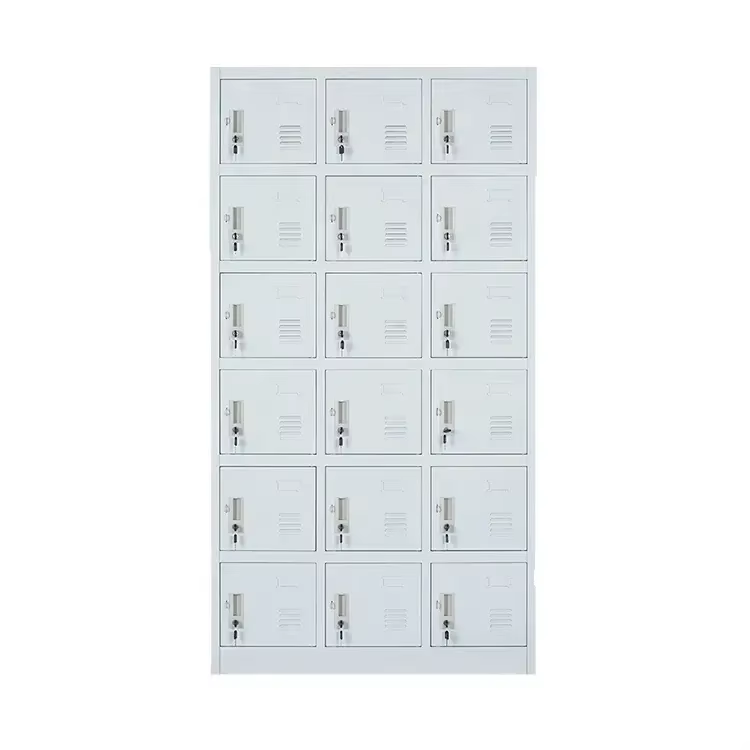
A service technician opened a returned electronic safe and found the cell holder hanging by its wires inside the door. Replacing the battery meant removing the bolt cover, so nobody had done it until the unit went dark. The lock body and the steel shell were both fine. An electronic safe is only as dependable as the way its powered parts are housed, which is a structural question before it is an electronic one. Five details decide whether a battery change takes two minutes or a service visit.
Why the powered layer is a build decision
Adding a keypad to an electronic safe creates new openings, new cables and a new part that somebody has to reach.
When a fitting becomes an access problem
A cabinet shell is designed around the door, the boltwork and the frame. Drilling a battery passage or routing a ribbon through that shell creates a cut edge, a place for moisture and a route into the electronics. For an electronic safe, ask to see the keypad and cell bay positions on a section drawing rather than only on a finished sample, and check whether any cut-out sits near a folded return or a load-bearing weld. A heavy duty electronic safe keeps its powered parts inside the protected envelope, with passages planned at the forming stage.
Five build details worth checking
These five electronic safe details are visible on a sample or a drawing, and each changes how the unit behaves after a year in service.
A cell bay reachable from outside the door
When an electronic safe battery sits behind the bolt cover, replacement will be postponed until the unit goes dark. Look for a compartment with its own access panel, a clear polarity marking, a retained holder and no fastener shared with the lock or boltwork. Ask where the low-battery indication appears and who acts on it. The compartment should be reachable without opening the door, so a flat cell never becomes a locksmith call. REACH and RoHS declarations should cover the holder, board and cell, and the handover sheet should name the replacement owner.
Why the keypad sits flush with the skin
A panel standing proud of an electronic safe door catches on bags, trolleys and cleaning equipment and gives a lever to pull against. Look for a recessed or flush keypad with a gasket, a covered cable passage and a membrane or switch assembly rated for the site’s cleaning routine. Check that cut edges around the opening are fully coated, with adhesion and corrosion results naming the method, such as ISO 2409 adhesion combined with a salt spray method. ANSI Z535.4 applies to the label that explains battery replacement and override in plain wording. A flush panel also makes the door easier to wipe down in a shared area.
Keeping the solenoid off the bolt alignment
In an electronic safe, the solenoid or motor should release the boltwork, not carry the door’s alignment load. Ask for a reinforced lock seat, guided bolt rods, defined strike pockets and a documented cycle test on the assembled door. Look at the plate behind the keypad and check that the release mechanism is shielded from the bolt channel, so a jammed bolt cannot push back into the electronics. A UL 768 listing applies to combination locks as devices and does not rate this interface, so request the assembly test separately. An electronic safe that latches smoothly on the bench can still bind after a thousand openings.
Where the override cylinder hides
Every electronic safe needs a documented emergency route. An override cylinder should sit behind a hardplate or a shielded recess, protected from drilling and from casual tampering, with its location and custody rule written in the handover sheet. Ask how the override interacts with the relocker and whether using it leaves a record. Check that the keyway is not exposed behind a trim that can be prised off. NFPA 70 is relevant where a powered keypad is wired in rather than battery-fed, and the cable entry needs a strain relief. A hidden override is only useful if an authorised person can still find it.
Strain-relieved leads, not a loose ribbon
Inside an electronic safe door, the keypad cable needs a defined route, a covered channel and a connector that cannot be pinched when the door closes. Look for a strain relief at the entry, a retained plug on the controller and enough slack for service without rubbing on a folded edge. Ask whether the controller is fixed to a bracket or left to hang, and request a transit test with written acceptance criteria, since a shock in transit can work a connector loose. A repeatable cable route across batches is an ISO 9001 concern. A loose ribbon is the fault nobody sees at goods-in and everybody sees six months later.
Documents that back up the structure
Standards separate the enclosure, the lock and the electrical installation, so the file needs more than one sheet.
Asking for reports tied to the assembled door
Component and assembly evidence should be kept apart. UL 768 speaks to the lock, while UL 72, UL 687, EN 1143-1 and EN 14450 describe the enclosure under different exposures; ask which single one the quotation relies on. Reports should carry ISO/IEC 17025 accreditation and this exact door revision. ISO 2859-1 sets the goods-in sample size, while OSHA 29 CFR 1910.176(b) with NFPA 1 and NFPA 101 covers handling, placement and egress. A folder of certificates cannot substitute for one drawing that shows where the cell bay and the cable channel sit.
Inspecting the same points in service
On an electronic safe, open the external cell bay and check the polarity marking, the retained holder and whether one hand can change the cell. Enrol a test code, open and close three times, then remove and refit the cell and confirm the code is retained. Look from inside at the cable channel, the strain relief and the lock seat, and confirm no lead is trapped in the door gap. Clean the keypad surround with a mild detergent, repair any finish damage along a folded return and record each battery change in the unit log. A heavy duty electronic safe built on these five details stays serviceable across many sites.
Frequently Asked Questions
Why must the battery be reachable without opening the door?
Because a flat cell in an electronic safe is a routine event, and a cabinet that needs a locksmith for a battery change will be left unattended until it fails. Look for an external compartment with its own panel, a polarity marking, a retained holder and no shared fastener with the lock or boltwork. Ask where the low-battery indication appears and name the replacement owner in the handover sheet.
What makes a keypad mounting durable?
A recessed or flush panel with a gasket, a covered cable passage and a switch assembly suited to the site’s cleaning routine. Cut edges should be fully coated, with ISO 2409 and ISO 9227 results naming the method. A panel standing proud catches on bags and trolleys and gives a lever to pull against. ANSI Z535.4 covers the label explaining battery replacement and override.
Does a UL 768 listing cover the solenoid interface?
No. UL 768 applies to the combination lock as a device. The reinforced lock seat, guided bolt rods, strike pockets and the interface between the solenoid and boltwork need their own documentation, ideally a cycle test on the assembled door. Check that a jammed bolt cannot push back into the electronics.
How should the override route be designed?
The cylinder should sit behind a hardplate or a shielded recess, with its location and custody rule in the handover sheet. Ask how it interacts with the relocker, whether its use leaves a record and whether the keyway is protected from a trim being prised off. A hidden override is only useful if an authorised person can still find it when the cell is flat.
What should be checked about internal wiring?
A defined cable route, a covered channel, a strain relief at the entry and a retained connector that cannot be pinched when the door closes. Ask whether the controller is bracket-mounted and request a transit test with written acceptance criteria. NFPA 70 applies to powered keypad wiring, and ISO 9001 keeps the route identical across batches.
What does a service inspection record?
A test code enrolled, three open-and-close cycles, a battery removal and refit with the code still retained, and the date and name of each battery change. Look from inside at the cable channel and lock seat, confirm no lead is trapped in the door gap, wipe the keypad surround with a pH-neutral cloth and seal any coating chip at a folded edge.