
 EN
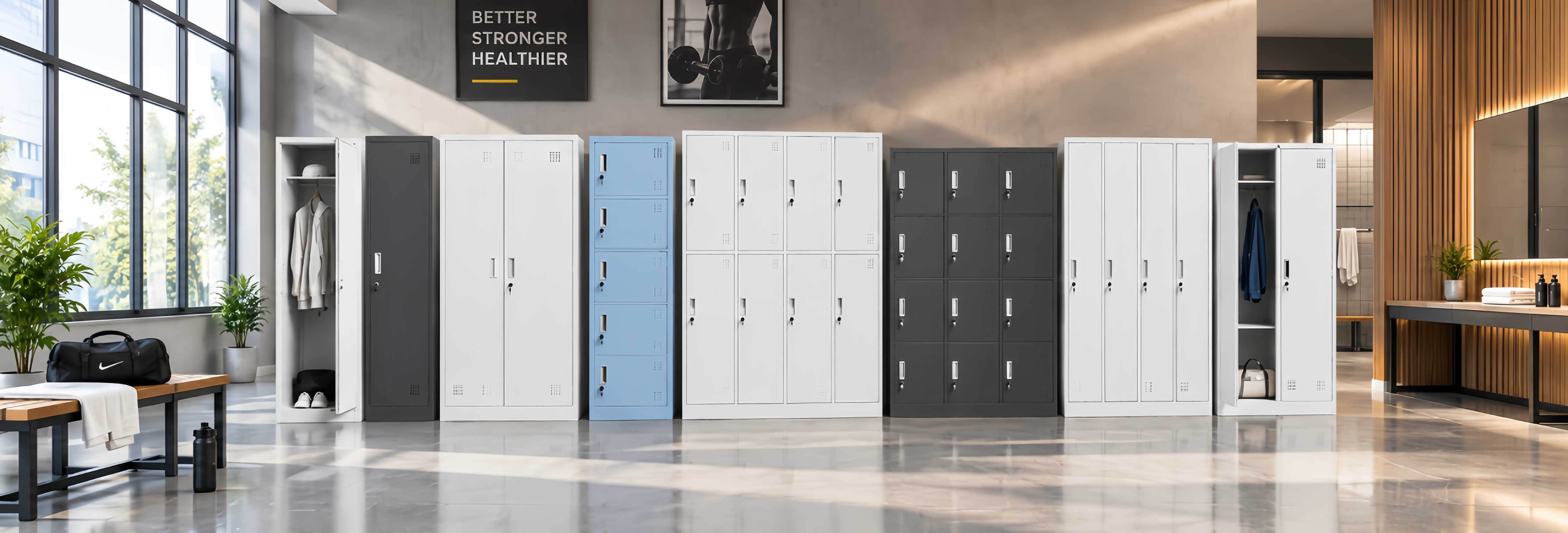
A facilities team ordered lockable safe units for eleven sites and specified only that each should be lockable. Three different cylinder models arrived across the batch, so spare keys from one branch would not fit another and the master key plan had to be rebuilt after installation. The enclosures were identical. A lockable safe is a steel box plus a key system, and the key system is where a multi-site order usually comes apart. Sourcing one well means writing the lock schedule before the deposit, not after the cartons are opened.
Where keyed orders become unmanageable
A single lockable safe with one key is simple. Eleven cabinets with several users each are an administration problem.
One cabinet, three different cylinders
For a lockable safe, ask for the lock model, the cylinder type, the keyway and the number of keys per unit in the quotation, then reference the same drawing revision on the order, the inspection record and the carton mark. Require written approval before any lock substitution. If cylinders are interchangeable across the range, say so in the specification and confirm that replacement cores are available as spare parts under the same revision. A lockable safe program with mixed cylinders turns a small spare parts order into a rekeying exercise at every site.
A key register that lives in a drawer
For a lockable safe, decide who holds the master key, how many user keys are issued, where the register is kept and how a leaver’s key is recovered or the core is changed. State the spare key custody rule and the rekeying trigger in the handover sheet. Where staff turnover is high, a resettable combination lock to UL 768 may be easier to administer than a keyed hierarchy, but that is a separate decision to make before production. A lockable safe with a loose key register gives no useful record of who had access, which quietly removes much of the value of a lock.
Reading the lock package
Understanding the lockable safe hardware makes the specification shorter, because a buyer learns which few parts decide daily behaviour.
Cam locks, pin tumblers and master systems
In a lockable safe, a simple cam lock turns a tongue behind the door; a pin tumbler cylinder offers a wider range of keying and suits a master key hierarchy. Ask which is being quoted, whether the cylinder is retained by a nut or a clip, and whether it can be swapped without removing the bolt cover. UL 437 applies to key locks, while UL 768 covers combination locks; neither rates the boltwork. Check the number of differs available if sites need separate keys, and ask how a master system is documented so a later branch can be added without rebuilding the whole schedule.
Boltwork, strikes and the lock seat
On a lockable safe, the lock should release the bolts, not carry the door’s alignment load. Look for a reinforced plate behind the cylinder, guided rods, defined strike pockets and bolts engaging on the hinge side as well as the opening side. Ask for a documented cycle test on the assembled door and check that the key can be withdrawn only when the bolt is fully seated. Request adhesion and corrosion results with the method named, for example ISO 2409 cross-cut adhesion and ISO 9227 salt spray, for the area around the keyway cut-out. A lockable safe that needs a lift and a turn to close is already out of alignment.
Standards that name the lock separately
For a lockable safe, standards separate the key system, the enclosure and the site’s own duties.
Placing UL 437 and UL 768 beside cabinet ratings
UL 437 applies to key locks and UL 768 to combination locks, as component documents. Neither document says anything about the door assembly, which is the territory of UL 687, EN 1143-1 and EN 14450 for forced entry, or UL 72 where paper records face fire. Ask the supplier which of those applies and request that report with ISO/IEC 17025 accreditation, the model code and the tested configuration. Where destinations differ, check which standard the local insurer or facilities policy recognises. A cabinet rating does not describe a master key hierarchy, and a lock listing does not rate the frame.
Where ISO 9001, OSHA and ANSI Z535.4 fit
ISO 9001 covers whether the cylinder model, keyway and key count repeat in a second run; ask for a controlled drawing with a revision number and an inspection record from a real batch. ISO 2859-1 helps set a goods-in sampling plan across a multi-site order. OSHA 29 CFR 1910.176(b) covers secure storage and handling of heavy units before they are fixed, NFPA 1 and NFPA 101 placement and escape routes, and NFPA 70 any powered or wired accessory. ANSI Z535.4 applies to the user label, which should explain spare key custody in plain wording. REACH and RoHS declarations cover the coating and any plated hardware.
A lock schedule for every order
Put one lockable safe sheet in the file: the lock model and keyway, the drawing revision, the number of keys per unit, the master key holder, the issue register, the leaver procedure, the rekeying trigger, the spare core part number and the carton marking rule. Require written approval before any substitution and keep one sealed sample with its full key set. At goods-in, check the cylinder model against the order, try each key in its own unit, confirm the master key operates every sampled door and record the result by serial number. Log every key issue in the register. A lockable safe rollout built on that schedule can add a twelfth site without touching the first eleven.
Frequently Asked Questions
What belongs in a lock schedule?
For a lockable safe, the lock model and keyway, the drawing revision, the number of keys per unit, the master key holder, the issue register, the leaver procedure, the rekeying trigger, the spare core part number and the carton marking rule. Reference the same revision on the order, inspection record and carton mark. Require written approval before any substitution, and keep one sealed sample with its complete key set.
How can mixed cylinders be avoided across sites?
Name the lock model, cylinder type and keyway in the quotation and in the order, then check the model code on each carton at goods-in. Ask whether cores are interchangeable across the range and whether replacements are available as spare parts under the same drawing revision. A running change to a lock body should never ship without written approval.
Which standards cover a keyed lock versus the cabinet?
UL 437 applies to key locks and UL 768 to combination locks as component documents. UL 687 and EN 1143-1 address attack resistance of the enclosure, EN 14450 covers lighter secure storage in S1 and S2 classes, and UL 72 addresses fire endurance classes for records. Request each report with the exact model code, and check which standard the destination’s insurer recognises.
What should be checked about the boltwork?
A reinforced plate behind the cylinder, guided rods, defined strike pockets and bolts engaging on the hinge side as well as the opening side. Ask for a documented cycle test on the assembled door and check the key withdraws only when the bolt is fully seated. A lock listing does not rate this interface, so request the assembly test separately.
How should spare keys and leavers be handled?
Name the master key holder, keep an issue register with dates and names, and write a leaver procedure that either recovers the key or triggers a core change. State the spare key custody rule and the rekeying trigger in the handover sheet. Where turnover is high, a resettable combination lock to UL 768 may be simpler, but decide before production starts.
What should goods-in verify?
Check the cylinder model against the order and drawing revision, try each key in its own unit, confirm the master key operates every sampled door and record results by serial number. Use a sampling plan such as ISO 2859-1 rather than a single cabinet. Verify the key count per carton and keep the sealed sample’s key set as the reference for later batches.