
 EN
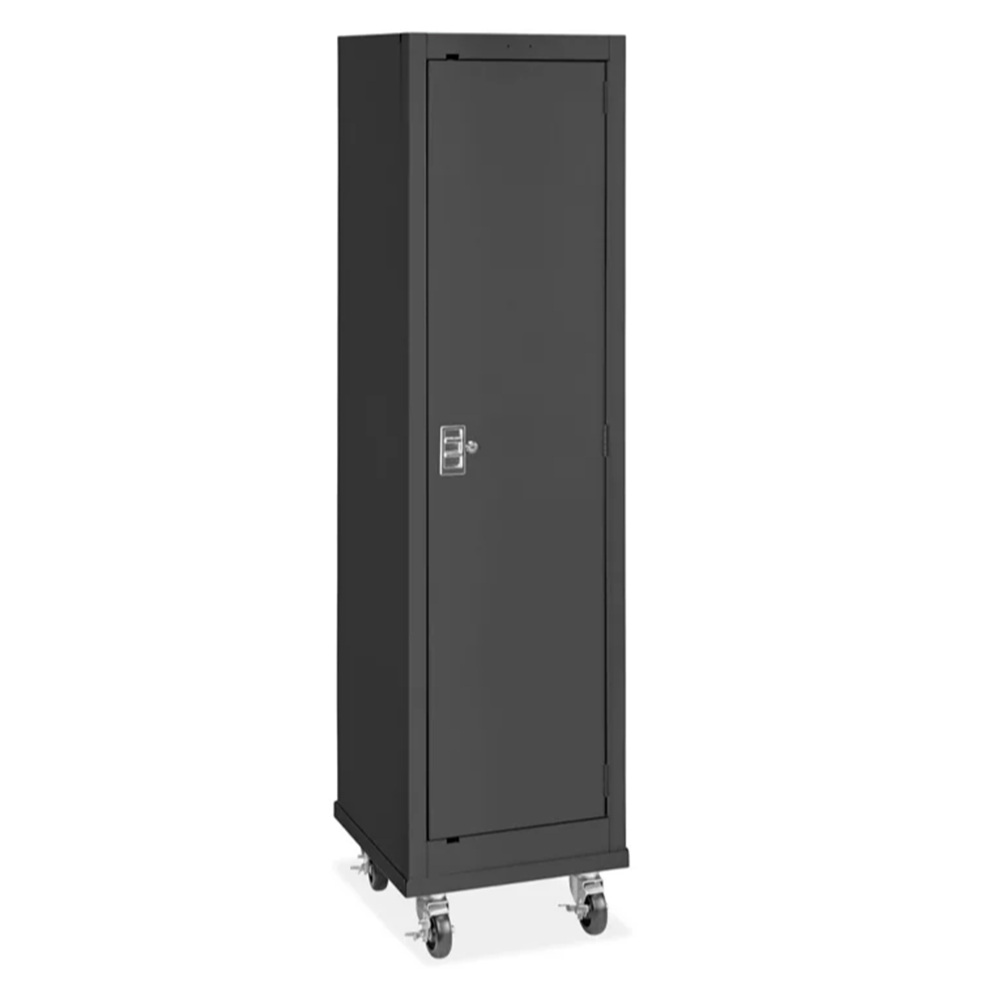
Near the lift lobby of a busy administrative floor, a facilities lead stopped at a row of personal storage doors during a routine walk. The bank sat in the highest-traffic corridor and the top doors had begun to sit slightly low. Pressing a finger on the hinge side left a faint gap that was absent at installation. Nothing had failed outright, yet wear concentrated on the upper knuckle and a firm push was needed to seat the latch. The response was a documented hinge inspection, not a replacement order, because the frames stayed sound. That distinction shapes how an office locker is specified and checked in service.
A Morning Walkthrough: Reading Hinge Wear in a Busy Office Zone
Where the Inspection Route Started
The walk began at the end nearest the lift, where doors open most often and the same office locker is handled by many people across a shift. Hinge knuckles, cam locks and latches were logged door by door, not judged by a single glance. The checker pressed each top corner, watched the swing, and marked any door drifting out of parallel with its neighbor. Starting at the high-use end kept the sample honest.
What the First Bank of Doors Revealed
The first bank told a consistent story. Upper knuckles carried a light polish, lower knuckles looked almost untouched, and a shiny line appeared where the door edge met the frame. A few latches needed a firmer push, yet the frame welds and the plate behind the hinge leaf stayed intact. That is the useful finding for a buyer: the office locker was built stiff enough that moving parts wore before the structure did.
Why Do Small Door Gaps Turn Into Alignment Problems?
How Do Loose Knuckles Change Swing Clearance?
A hinge is a stack of parts with a pin through the middle, and any freedom in it shows at the far edge of the door. When a knuckle loosens, the door stops swinging on a fixed axis, so the latch-side gap grows and the hinge-side gap closes. On an office locker set in a tight row, that drift lets one door rub the next. The cam lock then has to pull the door into place, loading the keeper.
Hinge Wear Is Faster at the Top Than at the Bottom
Gravity and handling put more work into the upper hinge of a tall door, so it wears sooner. The top knuckle takes the lever arm of the whole panel on every opening, and users push near the latch at shoulder height. Coating loss shows there first too, since the moving leaf rubs the fixed leaf through the same arc each cycle. Comparing the two hinges on one office locker separates a hinge fault from a leveling fault.
Tracing How Loads Move From Hinge Knuckle To Cabinet Frame
The Reinforcement Rib That Keeps a Door Flat
Cold-rolled steel sheet arrives flat, but a wide door flexes unless the load has somewhere to go. A reinforcement rib folded into the door edge, plus a plate behind the hinge leaf, turns a floppy sheet into a stiff panel. Laser cutting, hydraulic punching, bending and spot welding shape the parts at a Luoyang plant founded in 1992. The rib is why a used office locker door still meets the frame after long service.
Degreasing, Phosphating, and Electrostatic Powder Coating
A coating protects an office locker panel only if it stays attached, and adhesion is decided before the powder goes on. Degreasing removes forming oil, phosphating lays a conversion layer, and electrostatic powder coating applies a film that a curing oven sets. Skipping pretreatment shows later as chipping around hinge screws and latch cutouts, where the inspection found polish marks. Adhesion checks, salt spray exposure and a cycle test catch a weak batch before it ships.
For Specifiers and Facility Teams: Codes, Checks, and Care
No Single Standard Covers Every Failure Mode
ANSI/BIFMA X5.9 sets out strength and cycle tests for storage units, so a hinge that survives repeated swings tells a specifier more than a fresh sample. ISO 9001 governs the quality management behind consistent welds and coating batches, with ISO 14001 and ISO 45001 covering environmental and occupational health management. OSHA 29 CFR 1910.176 addresses material storage and tipping prevention, so anchoring and leveling feet matter on a tall bank. NFPA 101 keeps exit width and aisles clear, making a held-open door a layout concern. Together these references frame an office locker as a stored load and a moving door.
Buying an office locker: Ask how the hinge leaf is reinforced, what gauge of cold-rolled steel sheet is used, and whether the supplier can show coating adhesion or salt spray records from a recent batch. Request a sample built to the production drawing, confirm the cam lock or padlock hasp option, and check that leveling feet and anti-tip anchoring are in the specification. A 30,000 square meter plant with monthly output of 10,000 pcs holds a steady build.
Inspecting the office locker on arrival: Before signing the delivery note, open every door through its full swing and watch the latch-side gap, then look for coating chips around hinge screws, vent slots and cut edges. Set a unit on a flat floor and rock it to see whether the leveling feet take up the slope, and confirm the reinforcement rib and weld points sit where the drawing says. Compare the finish and lock type against the approved sample.
Using the office locker: Load heavy items on the lower shelf so the center of mass stays low, keep vent slots clear, and avoid hanging weight on an open door, which adds the same lever load the upper hinge already carries. Assign each user a numbered compartment and keep a simple key or combination record, because a shared office locker used by many people wears faster than one with a single owner.
Maintaining the office locker: Put a short hinge check on a recurring schedule, comparing top and bottom knuckles and logging any door that drifts out of parallel with its neighbor. Retighten hinge screws and adjust leveling feet before a small gap becomes a latch problem, and touch up coating chips early so moisture does not reach the steel under the film. Wipe the powder-coated surface with a mild cleaner rather than an abrasive pad.
Frequently Asked Questions
Q: Why does the top hinge wear before the lower one?
A: The upper knuckle carries the lever arm of the whole door on every opening, while users tend to push near the latch at shoulder height, which adds a twisting moment the lower hinge never sees. Gravity also loads the top of a tall panel. That is why polish marks and coating loss appear there first, and why comparing the two hinges on the same door is a useful diagnostic during a routine inspection.
Q: What does a reinforcement rib actually do for a steel door?
A: A wide flat panel flexes under its own weight unless the load has a path into the frame. A folded rib along the door edge, plus a plate behind the hinge leaf, turns a flexible sheet into a stiff panel that keeps its shape through repeated cycles. It is a structural part, not a cosmetic one, and it is the reason a heavily used office locker door still meets the frame evenly instead of sagging at the latch side.
Q: How should coating adhesion be judged before an order is placed?
A: Ask for records from a recent production batch rather than a showroom piece, including adhesion checks and salt spray exposure results. Look closely at hinge screw holes, latch cutouts and vent slots, since those edges reveal weak pretreatment first. A finish that survives degreasing, phosphating, electrostatic powder coating and a curing oven on the same line will resist chipping far longer than a panel coated without proper preparation.
Q: Which standards apply to a row of storage units near an exit?
A: Several apply at once. ANSI/BIFMA X5.9 covers strength and cycle testing of storage units, ISO 9001 frames the quality system behind the build, OSHA 29 CFR 1910.176 addresses material storage and tipping, and NFPA 101 governs exit width and clear aisles. ANSI Z535.4 guides safety labeling. Together they treat the unit as a stored load, a moving door and a labeled object, which is why anchoring, swing clearance and labels all matter during layout.
Q: Is a made-to-drawing build available for one unit?
A: Yes, a custom order per customer plan or sample is a normal route for a Luoyang plant with a professional design team and skilled workers. Laser cutting, hydraulic punching, bending and spot welding can follow a specified hinge position, lock type or vent pattern. The useful step is to approve a sample built to the production drawing before the run, so the delivered unit matches the finish, reinforcement and hardware that were agreed in writing.
Q: What belongs in a recurring maintenance log for these units?
A: Record the gap at the latch side, a comparison of top and bottom hinge wear, any door that sits out of parallel, the state of leveling feet, and coating chips around screws and cut edges. Note adjustments made and the date of each visit. Over time that log shows whether a small gap is stable or growing, which helps a facilities lead decide between a hinge adjustment, a touch up, or a replacement unit.