
 EN
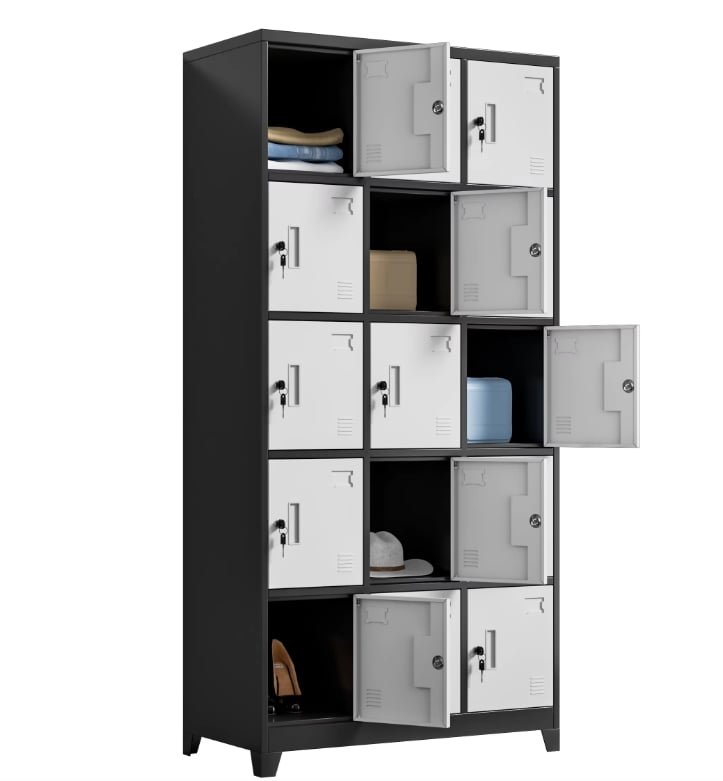
At a loading bay before gate-in, a shipping clerk watched a stack of flat-pack cartons being slid into a container for an overseas run. The lower layers held their shape, but one top carton showed a crushed corner where a strap had been pulled tight, and a faint tide line of condensation marked the inner flap. Nothing inside was damaged, yet the pattern matched a familiar risk: compression from stacking plus moisture across a long voyage. The response was a recheck of corner guards and stack height, not a rejected order. That sequence frames how a metal locker export order is specified, packed and received.
What a Container Loading Check Revealed
At the Loading Bay: Reading a Stack of Flat Packs
The clerk began at the container door, where the last cartons loaded are the easiest to inspect before the seal goes on. Each metal locker carton was checked for square edges, intact straps and a legible label, then the stack pattern was read from the bottom up. A crushed corner on the top layer told more than a clean sample at eye level, because it showed where a strap had concentrated the load.
Why Do Edge Protectors Go on the Top Layer?
The top layer takes the strap tension and any shifting during the voyage, so plain carton flaps there tend to crease first. Edge protectors spread that force across a wider strip of board, and corner guards stop a strap from cutting into the panel inside. On a repeat order the change was simple: guards were added where the strap crossed, and a cap sheet was laid over the top tier before strapping. A metal locker kit has flat panels a tight strap can scar.
How Does Sea Freight Humidity Reach a Flat Pack?
Measuring Carton Compression Before Gate-In
Compression and moisture arrive together, so a check before gate-in looks at both. A carton at the bottom of a stack carries the layers above it, and board that has absorbed damp air softens and loses stacking strength. The clerk pressed a thumb into a lower flap, noted any give, and compared it with a fresh carton from the same run. Stacking a metal locker flat pack to a sensible height, with a cap sheet and desiccant, keeps the lower layer from creeping.
On Corner Guards: Where the Stack Height Limit Comes From
Stack height is set by what the bottom carton can carry, not by how much room the container has left. A taller stack adds load to the lowest tier, and a metal locker carton with a dense panel set weighs more than a hollow box, so the limit comes from board strength and panel mass together. Corner guards keep the corners square, which lets each tier sit flat on the one below.
Knock-Down Cartons Change the Damage Equation
The Knock-Down Frame Ships Flat
A welded unit fills a container with air; a knock-down frame ships as flat panels, bolts and a hardware bag. Laser cutting, hydraulic punching, bending and spot welding shape the parts, and the pieces are packed flat with the cam lock bagged separately. That is the mail order packing route a Luoyang plant founded in 1992 was the first in its local industry to offer. A metal locker built this way arrives as a bolt-together kit, with each metal locker panel wrapped separately.
Where Humidity Enters a Corrugated Carton
Container air warms and cools across a voyage, and moisture condenses on the inner flap even when no water enters the box. The defense starts before packing: degreasing, phosphating and electrostatic powder coating, set in a curing oven, protect the cut edges of the steel where a scratch would otherwise start corrosion. A desiccant pack and a breathable wrap help, but the metal locker finish is the lasting barrier.
Codes, Labels, and Dock-Side Advice
No Carton Ships Without a Label Check
ISO 9001 gives the packaging process its documented routine, so each flat pack is folded, guarded and labeled the same way on every run. OSHA 29 CFR 1910.176 covers stacked material and tipping prevention, which applies to a carton stack in a container. NFPA 101 keeps dock aisles and exit width clear, so staged pallets cannot narrow a route, and ANSI Z535.4 guides the handling labels that stay readable after a long voyage. Together these references treat a metal locker carton as a unit load and a labeled package.
Buying a metal locker: Ask for the carton specification in writing, including board grade, corner guards, strap layout, desiccant, label language and the tier count planned for the container. Confirm whether the order ships as a knock-down kit with a hardware bag, and approve a sample built to the production drawing before a container is booked. A custom order per customer plan or sample is a normal route for a plant with 30,000 square meters of space and monthly output of 10,000 pcs.
Inspecting the metal locker on arrival: Before the seal is broken, photograph the stack and note any crushed corner, strap cut or condensation tide line on the outer cartons. Open one carton from a lower tier and one from the top, confirm the hardware bag, cam lock or padlock hasp and label are present, and compare the powder-coated finish against the approved sample. Note any discrepancy while the container is still on site, since that is the moment it is easiest to resolve.
Using the metal locker: Assemble the knock-down frame on a flat floor, tighten the bolts in sequence and adjust the leveling feet until the doors swing true. Keep the vent slots open and place heavy items low, and fasten tall banks to a wall where the plan permits. Assign each user a numbered compartment and keep a simple key or combination record. Leave the aisle in front of the doors clear so panels open fully.
Maintaining the metal locker: Wipe condensation from panels with a dry cloth, touch up coating chips around screws and cut edges early, and keep the cam lock and padlock hasp free of grit. Put a short hinge and leveling-foot check on a recurring schedule, and note any panel sitting out of square with the next. Clean the coated panels with a mild detergent and a soft cloth, not a scouring pad.
Frequently Asked Questions
Q: Why are corner guards used on flat-pack cartons?
A: A strap pulled tight across a stack concentrates force on one corner, and a long voyage adds vibration that works the same spot loose. A corner guard spreads that load over the carton edge so the flap does not crush into the panel inside. Guards also keep the top tier from biting into the one below when a container is filled to its planned height, which is why they appear on the top layer first.
Q: Can a metal locker be ordered to a customer drawing?
A: Yes, a custom order per customer plan or sample is a normal route for a Luoyang plant founded in 1992, with a professional design team and skilled workers. Lock type, vent pattern and hinge position can follow the drawing. The useful step is to approve a flat-packed metal locker sample built to the production drawing, so the carton, hardware bag and finish all match what was agreed before a container is booked and sealed.
Q: How does sea humidity reach a packed unit?
A: Container air warms and cools across a voyage, and moisture condenses on the inner flap even when no water enters the box. A desiccant pack and a breathable wrap help, but the stronger defense is the steel pretreatment: degreasing, phosphating and electrostatic powder coating that resist corrosion at cut edges. A tide line on a flap is a signal to dry the cartons and check the hardware bag, not a reason to reject the load.
Q: Which codes shape an export carton spec?
A: ISO 9001 documents the packing routine so each run is folded and labeled the same way. OSHA 29 CFR 1910.176 covers stacked material and tipping prevention, NFPA 101 keeps dock aisles and exit width clear, and ANSI Z535.4 guides handling labels that stay readable. Together they treat the carton as a unit load, a stacked object and a labeled package at the same time, which is why stacking, staging and labeling all belong in one specification.
Q: What should be checked at the dock on arrival?
A: Look for crushed corners, a condensation tide line on inner flaps, and straps that have cut into a carton edge. Open one carton from a lower tier and one from the top, confirm the hardware bag and cam lock or padlock hasp are present, and compare the finish against the approved sample. Note any damage while the container is still on site, since that is when a discrepancy is easiest to resolve with the supplier.
Q: How should a flat-pack unit be cared for after assembly?
A: Set the unit on a flat floor, adjust the leveling feet until the doors swing true, and fasten tall banks where the layout allows. Keep vent slots clear and place heavy items low. Wipe condensation with a dry cloth, touch up coating chips around screws early, and keep the lock free of grit. A short log of hinge checks and adjustments turns scattered observations into a service history that supports future orders.