
 EN
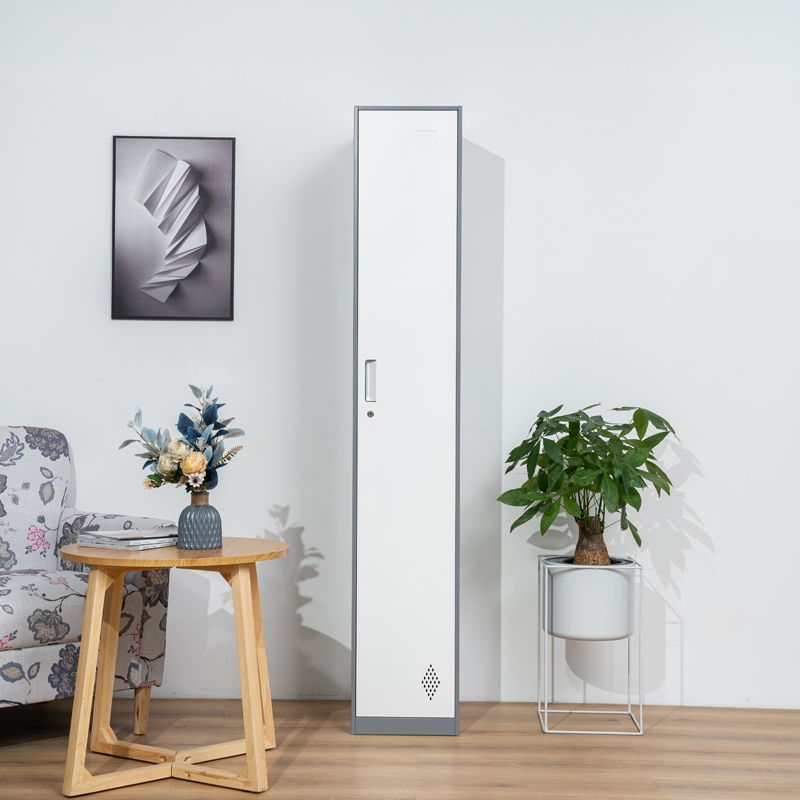
An office manager walked a row of lockers with a folder of archive labels in one hand and a ring of unassigned keys in the other. Some compartments held staff coats and lunch boxes; others held bundled files that belonged to a records system, not to a person. The numbering on the doors no longer matched the register, and a label slot on each door sat empty. Sorting which bay was personal and which was archival turned into an exercise in key custody. An office locker asked to serve both roles needs its numbering decided before its finish is chosen.
Sorting Files From Coats In One Office Bank
Files And Coats Shared One Bay
On the walkthrough, one door opened to a raincoat and a stack of personnel files, side by side. That mix is common in a small office where a records cabinet is short and a spare compartment is convenient. Yet the two contents ask for different handling: a coat comes and goes daily, while a file may sit for months and still need to be found by a reference number. Once personal and archival items share a bay, the door number stops being a simple seat assignment. The office locker becomes part storage furniture and part records index.
A Key Register Out Of Date
The register taped inside the cabinet door told the rest of the story. Keys had been handed to staff who had since moved desks, and a few spare keys sat in a drawer with no name beside them. A clear number on each door is only useful when the register it points to is current. Adding a label slot to the door face gives the number a physical home, so a reassignment means swapping a card rather than repainting a bank. Keeping that register current is the unglamorous work behind an office locker that stays manageable.
Lost Keys Follow Confused Numbering
Where A Coat Hides A File Folder
When a compartment holds both personal gear and archive material, two risks appear together. Damp outerwear pressed against paper invites moisture damage, and a coat hung over a bundle hides the folder label from anyone doing a quick check. A supervisor looking for a specific file then has to open several doors, which slows a records request and muddies key custody. Vent slots and a raised shelf help separate damp items from paper. Decide at the specification stage how an office locker bay divides personal storage from records, or the mix will decide itself.
The Cost Of One Unassigned Key
A single unassigned key is a small thing until a door must be opened without its user. Rekeying a cam lock, or searching for a spare, takes a records task and turns it into a maintenance task. Combination locks with a supervisor reset remove the physical key but add a code list to guard. RFID locks remove keys entirely at the cost of a control box and a power plan. None of these choices is free of administration. Write the lock, the override, and the numbering logic into the office locker order together.
On Finish, Slots, And Custody: Three Office Details
Why A Cured Film Resists Desk Scuffs
In a quiet office, the finish sees chair edges, bag buckles, and the daily brush of a sleeve more than heavy impact. Degreasing and phosphating prepare cold-rolled sheet so an electrostatic powder coating can bond, and time in a curing oven sets that film into a surface that resists scuffs and wipes clean. Edge coverage at folded returns matters, since a thin spot there is where a chip starts. A label slot cut into the door also needs clean edges. Ask for the pretreatment and coating sequence, then trace the returns on an office locker sample.
Cam Locks, Hasps, And Reset Codes
Hardware follows who holds the key. A cam lock suits a fixed desk assignment and a tidy door face, but a lost key means a rekeying job. A padlock hasp lets each staff member supply a personal lock, which shifts custody to the user. Combination locks with a supervisor reset suit a bay that changes hands, and RFID removes physical keys at the cost of a managed code system. Pair the chosen lock with a label slot and a numbered card, so the office locker door can be identified without opening it.
Where Environmental And Egress Rules Meet
Sorting Quality, Environment, And Egress
ISO 9001 sits behind the repeatable cutting, coating, and numbering that keep a large order consistent, while ISO 14001 speaks to the environmental management of a finishing line and its powder booth. OSHA 29 CFR 1910.37 addresses evacuation routes, so a bank in a corridor must not block a path out. NFPA 101 concerns egress width and clear aisles. ANSI/BIFMA X5.9 is the natural home for strength and durability expectations of the office locker itself. Huawei Furniture, a Luoyang maker among the first in its local industry to pass a third-party factory audit, can describe that routine in writing.
Buying an office locker: state the numbering range, the label slot detail, the lock type and override, and the coating pretreatment before asking for a sample. Separate personal bays from archive bays in the layout, and request a written key register plan alongside the office locker quote.
Inspecting an office locker on arrival: check that numbers match the register, that label slots are clean and present, that coating covers folded returns, and that the lock matches the approved sample. Open and close each door and confirm the override works before signing the delivery note.
Using an office locker: tie each number to a named key or code holder, keep archive bays distinct from coat storage, and leave vent slots clear. Keep the bank out of egress routes, update the register when desks change, and wipe damp items off paper files.
Maintaining an office locker: refresh numbered cards when staff move, rekey or reset locks in matched sets, and touch up coating chips at door edges. Check hinge screws and latch alignment on a schedule, and keep one printed register with the spare keys.
Frequently Asked Questions
Q: How should an office locker layout handle files and personal items together?
A: Separate the two roles at the layout stage. Give archive bays their own numbering range and keep coats and damp outerwear in separate compartments, since moisture pressed against paper causes damage. A label slot on each door lets a reference number be read without opening the bay. Decide the split before the finish is chosen, or the mix will decide itself.
Q: What does a label slot contribute to key management?
A: A label slot gives the door number a physical home. When a desk changes, swapping a printed card is faster than repainting a bank or rewriting a register from scratch. The slot keeps the number visible during a quick check, which matters when a supervisor needs a file without its user. Pair it with a current key register, since a clear number is useless if the list behind it is stale.
Q: Why does powder coating matter in a low-traffic office?
A: An office sees chair edges, bag buckles, and sleeves more than heavy impact. Degreasing and phosphating prepare cold-rolled sheet so an electrostatic powder coating bonds, and a cured film resists scuffs and wipes clean. Thin coverage at folded returns is where a chip starts. Ask for the pretreatment sequence and trace the returns on a sample rather than judging a color chip.
Q: When should an office switch from keyed locks to combination locks?
A: Switch when bays change hands often or when a supervisor must open a door without its user. Keyed cam locks suit fixed assignments but create rekeying work when keys go missing. Combination locks with a supervisor reset remove that task and add a code list to guard. Write the override and the reset procedure into the order so management matches the hardware.
Q: Which environmental standard applies to a finishing line?
A: ISO 14001 addresses environmental management, which is the natural reference for a powder coating line, its pretreatment, and its curing oven. ISO 9001 covers the quality management system behind repeatable output. Ask how the finishing line controls its waste streams and whether the two systems are documented together. A maker able to describe that routine in writing gives a buyer something concrete to check.
Q: How can numbering reduce lost-key incidents?
A: Numbering ties every compartment to one named holder. When a door number, a label card, and a key register agree, a missing key is easy to trace and a reassignment is a card swap. Without that link, spare keys drift into a drawer with no name. Update the register whenever desks change, and keep one printed copy with the spare keys rather than relying on memory.