
 EN
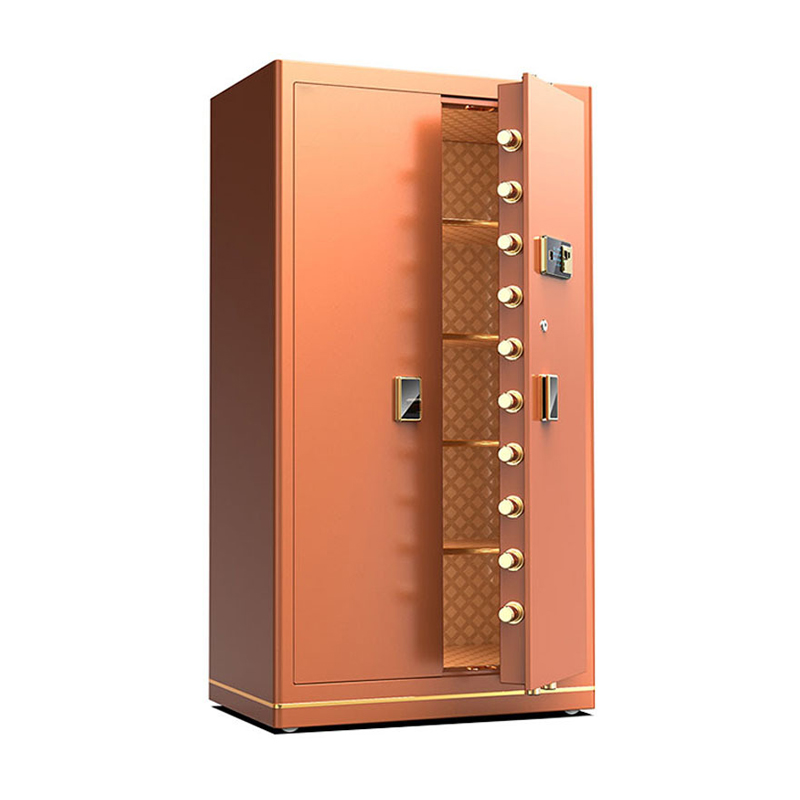
A branch manager once returned a safe with alarm because the sounder had gone silent after three months. The enclosure was untouched and the lock still worked. Inside, a cell had been fitted in a compartment that shared a screw with the lock plate, so replacing it meant dismantling the bolt cover, and nobody had done it. The electronics were an afterthought bolted onto a good steel box. A safe with alarm is only as dependable as the way those parts are housed, which is a structural question before it is an electronic one.
Why an alarm is a structural decision
On a safe with alarm, adding a sounder looks like a small upgrade. In practice it changes where holes are cut, where cables run and which part a technician can reach.
When a good enclosure carries a weak add-on
The steel shell of a safe with alarm is designed around the door, the boltwork and the frame. Drilling a vent or a cable passage into that shell creates a new edge, a new place for moisture and a new route for someone to interfere with the electronics. Ask to see the sensor board position on a drawing rather than on a finished sample, and check whether any cut-out sits near a folded return or a load-bearing weld. A heavy duty safe with alarm keeps its add-on parts inside the protected envelope, with openings that were planned at the forming stage rather than drilled at the end of the line.
Five build details worth checking
These five checks on a safe with alarm are visible on a sample and easy to put into a specification. None of them requires a buyer to read a circuit diagram.
Sensors mounted where a pry bar cannot reach
On a safe with alarm, a door contact or tilt sensor sitting on the outer face of the frame can be disabled before the door is touched. Look for the sensor behind the rebated door edge, fixed to a bracket rather than to a piece of tape, with its cable running inside a folded channel. Ask how the board is retained against vibration and whether it can be serviced without disturbing the lock. On a safe with alarm used in a shared area, that mounting position decides whether an alert reports an attack or simply reports that somebody found the switch.
Keeping the battery bay independent of the lock
In a safe with alarm, a cell that can only be reached by removing the bolt cover will not be replaced on time. The bay should sit behind its own access panel, with a clear polarity marking, a retained connector and no shared fastener with the lock or boltwork. Ask for the low-battery indication and where it appears, since a warning hidden inside the door is a warning nobody sees. Request the expected replacement interval under a stated test pattern and make sure the site procedure names who acts on it. REACH and RoHS declarations should cover the cell and the board.
Why two trigger paths cut false call-outs
A single vibration sensor on a safe with alarm reacts to a trolley, a slammed door and a cleaner’s vacuum. Pairing a door contact with a tilt or vibration input lets the controller compare events before sounding: an opening event is unambiguous, while a short shock on its own can be filtered by a time window. Ask how the sensitivity and the delay are set, whether they can be adjusted for a wall-fixed unit, and which event actually starts the sounder. A safe with alarm that cries wolf loses its value faster than one with no alarm at all, so this logic belongs in the acceptance test.
Where the buzzer vents through the door
A sounder sealed inside the shell of a safe with alarm is quiet. Look for a vented path that lets sound out without giving direct access to the electronics, usually a labyrinth or a covered grille placed away from the lock and the hinge reinforcement. Check that the opening is fully coated at its cut edges, since a raw edge there is where corrosion starts. Ask for the sound level and the distance it was measured at, then repeat the measurement in the room where the unit will stand. ISO 9227 and ISO 2409 results describe the coating system around that opening.
Dry-contact output, not a loose cable
Where a safe with alarm feeds a building panel, the cable entry needs a strain relief, a defined connector and a wiring diagram that survives the installation. A bare lead pushed through a punched hole will eventually chafe. Ask whether the output is a dry contact or a powered signal, and who provides the interface at the panel. NFPA 70 covers the electrical installation, and NFPA 72 is relevant where the signal enters a fire alarm and signaling system; both sit with the site’s installer. On the cabinet side, insist that the cable route cannot be pinched when the door closes.
What the standards say about the wiring
For a safe with alarm, standards separate the enclosure from the add-on, which is exactly the distinction a specification needs.
Asking for documents that match the model on the pallet
UL 687 and EN 1143-1 address resistance to attack on the shell and boltwork, UL 768 covers combination locks, and UL 72 addresses fire endurance classes for stored records. None of them rate the alarm module, so request its own test method, declarations and wiring diagram with the same model code and drawing revision. ISO 9001 speaks to whether the sensor position and cable route stay identical across batches; ask for an inspection record from a real production run. OSHA 29 CFR 1910.176(b) covers secure storage and handling of heavy units before fixing, and ANSI Z535.4 applies to the label that explains silencing and battery replacement. A folder of certificates cannot substitute for one drawing that shows where the wires go.
Inspecting the same points on site
On a safe with alarm, open the access panel and look for a retained connector, a clear polarity mark and a cell that can be changed with one hand. Trigger the unit once, silence it, then repeat an ordinary event such as a nearby door closing to see whether it fires again. Check that the sound is audible at the far end of the room and that no cable is trapped in the door gap. Wipe the vent clear during routine cleaning, keep solvent sprays away from the powder coat, and log every activation with its cause. Huawei Furniture, a Luoyang steel furniture maker founded in 1992, works from a customer’s plan or sample with an in-house design team, which is the arrangement that lets a buyer get the sensor position and cable route onto a drawing before tooling starts. A heavy duty safe with alarm specified that way is straightforward to maintain across many sites.
Frequently Asked Questions
Why does the sensor mounting position matter so much?
On a safe with alarm, a sensor on the outer face of the frame can be disabled before the door is touched, so an alert never reports the actual attack. Mounting behind the rebated door edge, on a bracket with a protected cable route, keeps it inside the defended envelope. Ask to see the position on a controlled drawing rather than only on a finished sample, and check that any cut-out avoids a folded return or a load-bearing weld.
What makes a battery bay serviceable?
Its own access panel, a clear polarity marking, a retained connector and no fastener shared with the lock or boltwork. If a technician has to remove the bolt cover to reach the cell, replacement will be postponed. Ask where the low-battery warning appears, request the expected replacement interval under a stated test pattern, and name the person who acts on it in the site procedure.
Do two sensors really reduce nuisance alarms?
They give the controller something to compare. A door contact reports an unambiguous opening, while a short vibration on its own can be filtered against a time window. Ask which event starts the sounder, how sensitivity and delay are set, and whether the settings can be adjusted for a wall-fixed unit. Reproduce ordinary site events in the acceptance test rather than only tapping the door.
How should the sounder opening be judged?
Look for a covered grille or labyrinth that lets sound out without giving direct access to the electronics, placed clear of the lock and hinge reinforcement. Cut edges should be smooth and fully coated. Ask for the sound level with the measuring distance stated, then repeat the check in the room where the unit will stand. ISO 9227 and ISO 2409 results describe the coating around that opening.
Does a UL 687 or UL 72 report cover the alarm?
No. UL 687 and EN 1143-1 address attack resistance, UL 768 covers combination locks, and UL 72 addresses fire endurance classes for records. The alarm board, cell, sounder and any output need their own documentation with the same model code. Request the cabinet report and the module declaration as separate items, plus REACH and RoHS for the electrical parts.
Who handles the wiring and the signal interface?
The factory supplies the connector, cable entry, strain relief and wiring diagram for the unit. The site’s installer handles the building side: NFPA 70 for electrical installation and NFPA 72 where a signal enters a fire alarm and signaling system. Name that boundary in the order, confirm whether the output is a dry contact or a powered signal, and check that the cable cannot be pinched when the door closes.