
 EN
Define Operational Requirements for Your Single Locker for Sale
Align locker type, size, and access method with user workflow and environment
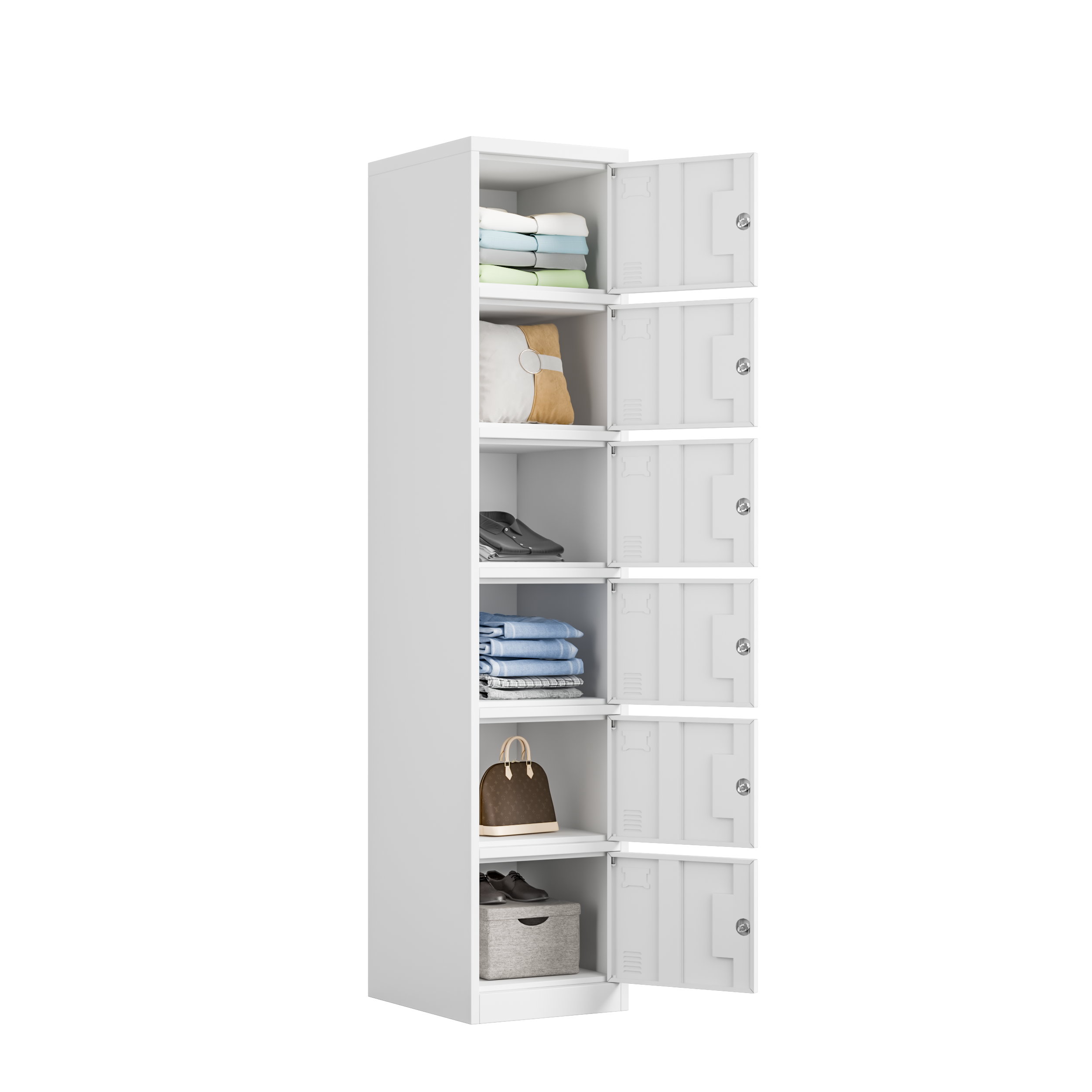
When evaluating a single locker for sale, facility teams should start with user workflow—not just floor plan space. A single locker is a one-compartment, full-height unit that gives one user the entire internal height, making it ideal for hanging garments, storing helmets or work boots, and securing larger personal items during a shift, class, or visit. Map regular users, peak occupancy, assigned versus shared use, and expected growth. This reveals how many units each zone needs—and whether a single locker is the right format. In areas where users only store wallets, phones, or small bags, a two-tier or multi-compartment locker delivers higher capacity in the same footprint. In contrast, a full-height single locker eliminates the need for separate coat storage.
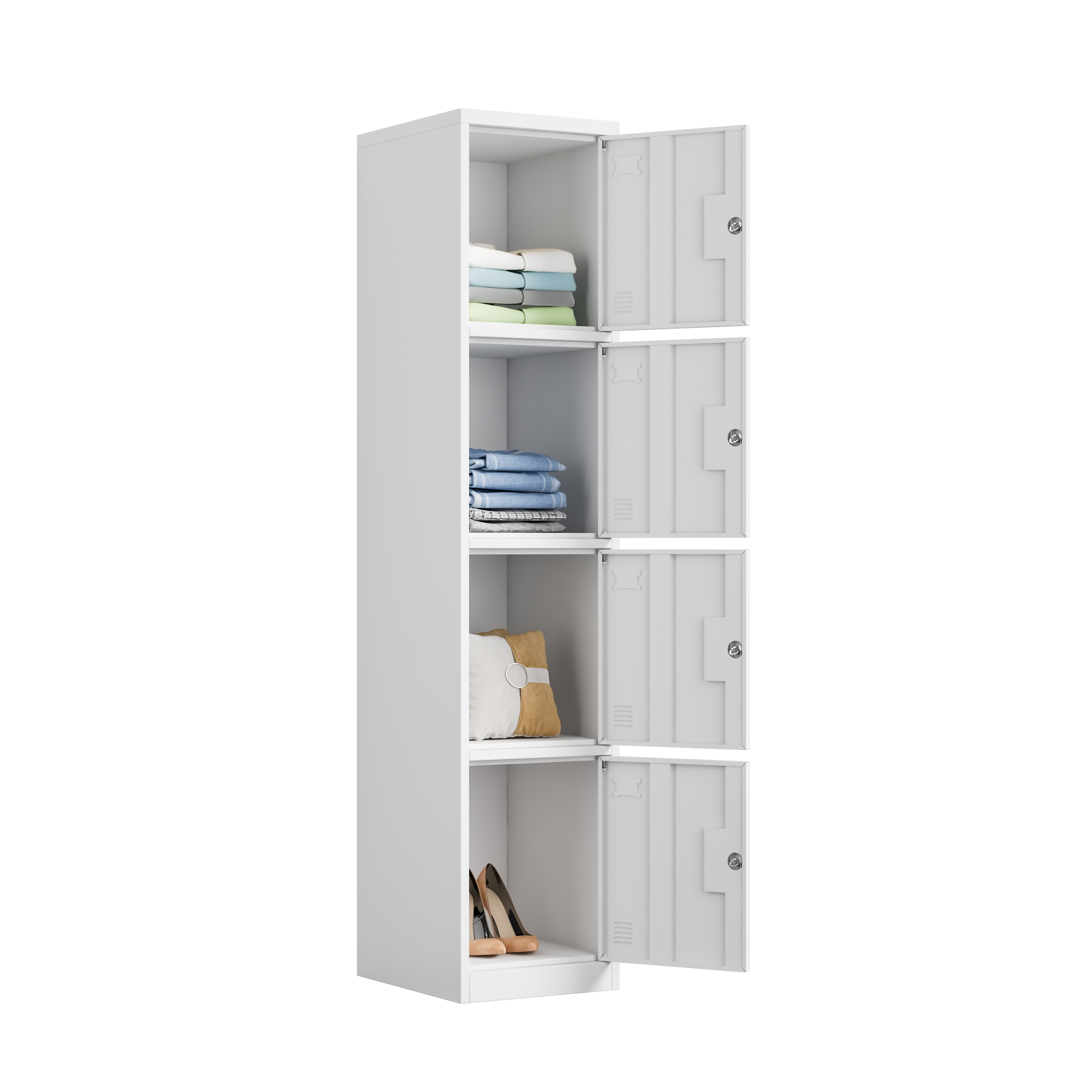
Dimensions must match what users actually store. Personal lockers are often compact—around 35 cm wide and 185.5 cm tall—while institutional units commonly measure 15–18 inches wide and 78 inches tall, with deeper bodies for bulky items. Sizing guidance from education and fitness facility standards recommends compartments around 12×12×15 inches for elementary users and 12×18×18 inches for high school or gym storage.
Access method should align with workflow intensity: keyless or app-based systems reduce delays in high-turnover shared-use environments, while mechanical locks remain sufficient for stable, assigned users.
| User / environment | Typical dimensions | Notes |
|---|---|---|
| Personal workstation | 35 cm W × 46 cm D × 185.5 cm H | Compact, fits tight spaces |
| School / employee full-height | 15–18 in W × 15–21 in D × 78 in H | Deeper for bulky items |
| High school / gym compartment | 12×18×18 in | Fits sports gear and winter clothing |
Assess environmental factors: humidity, corrosion risk, cleaning frequency, and foot traffic intensity
Environmental conditions directly influence material selection and durability. In humid, wet, or chlorine-exposed areas—such as pool decks and covered outdoor zones—stainless steel or corrosion-resistant coated steel significantly extends service life and reduces pitting risk. For dry, climate-controlled offices, standard powder-coated steel remains cost-effective and appropriate.
Cleaning frequency informs base and top design: raised legs or plinth bases allow full-floor access, while sloping tops and sealed end panels minimize dust accumulation and simplify wiping. In high-traffic corridors, specify tamper-resistant hardware, safety edges, and continuous hinges to reduce damage and prevent user injury. If damp clothing or work boots will be stored regularly, opt for louvered panels or vent openings to support moisture management.
Evaluate Security & Compliance for a Single Locker for Sale
Classify security needs by threat profile: theft, tampering, or data/asset protection
Before comparing locking systems, classify the primary threat: theft, tampering, or data/asset protection. Most procurement decisions fail when buyers apply a uniform security level across all use cases. A locker in a public corridor faces different risks than one in a staff-only room—and contents matter too. If the locker holds personal data or controlled assets, compliance with data privacy or chain-of-custody rules may dictate required features.
For theft-prone areas, prioritize reinforced door edges, concealed hinges, and full-length piano hinges. For tampering resistance, look for anti-pry plates, drill-resistant lock cups, and riveted construction. For data or asset protection, audit trails, access logs, and restricted key duplication become essential. Match shell thickness, hinge design, latch throw, and anchoring method to the threat class—and document each risk before requesting quotes. Use this classification as the foundation for every supplier conversation.
Match locking mechanism (mechanical, electronic, or smart) to risk level and ANSI/BHMA Grade 2+ certification
Locking hardware defines daily security performance. Mechanical locks suit low- to medium-risk storage: they’re simple, reliable, and require no power. Electronic locks add PIN or card access and are well-suited for moderate-risk employee lockers. Smart locks enable remote audit, temporary access, and integration with building systems—but require network connectivity and battery or hardwired power.
Regardless of type, require ANSI/BHMA Grade 2 or higher certification. Grade 2 is validated for light commercial and heavy residential use; Grade 1 meets rigorous testing for heavy daily commercial use and high physical force. Specify at least Grade 2 for any B2B locker purchase—Grade 3 is not appropriate for commercial applications. For electronic or smart options, verify battery backup and fail-secure behavior. Ask suppliers for cycle-test documentation—not just brand names—and confirm the selected lock does not obstruct emergency egress routes. Certified mechanisms reduce liability and extend service life.
Validate Supplier Credibility and Commercial Readiness
Audit vendor certifications, warranty terms, and proven B2B delivery performance for single locker for sale
Before committing to a single locker for sale, request recent third-party audit reports and confirm consistency across business license name, registration number, and address. Verify the vendor holds relevant certifications—for metal fabrication, coating durability, or electronic access components—as applicable to your order.
Review warranty coverage for structural integrity, locking mechanisms, and finish—and clarify how claims are processed, including response time and on-site support expectations. Demand proof of B2B delivery performance: redacted bills of lading, export experience to your region, and reference contacts from comparable orders. Check production capacity, quality control records, and on-time shipment history. Following NIST supply chain risk guidance, collect verifiable evidence—not attestations alone. A supplier that refuses video walkthroughs or cannot produce documented QC reports increases procurement risk. Validating these credentials protects long-term service life, security, and total cost of ownership.
Finalize Procurement Decision Using Key B2B Criteria
Compare lead time, installation support, and post-sale service across shortlisted suppliers
Request each shortlisted supplier to state lead time in calendar days—not business days—and confirm whether installation is included or quoted separately. A single locker for sale often requires specific mounting, anchoring, and access setup: verify who handles wall anchoring, floor fixing, and electronic lock configuration.
For post-sale service, evaluate response time, spare parts availability, and warranty claim process. Use a weighted scoring matrix: 30% lead time, 30% installation support, 40% post-sale service. Suppliers that provide clear written installation checklists and named service contacts typically avoid delays. Avoid vendors that quote only shipping dates without defined installation milestones—this prevents surprise costs and ensures readiness for day-one use.
Prioritize total cost of ownership—not just unit price—for long-term value of your single locker for sale
Unit price reflects only part of the investment. Total cost of ownership (TCO) includes freight, installation, maintenance, repairs, consumables, and eventual replacement. Industry benchmarks show maintenance and service can reach 30–50% of initial purchase price over five years. A low-cost locker may incur higher recurring costs due to frequent lock replacements, corrosion treatment, or premature failure.
Ask suppliers for a five-year TCO estimate covering initial price, planned maintenance, consumable parts, and service call fees. Compare energy use for electronic and smart access modules. A slightly higher upfront investment often yields lower annual operating costs and longer service life. Set a TCO threshold per locker and require written confirmation of warranty-covered components. This approach shifts the decision from short-term savings to long-term reliability—ensuring your single locker for sale delivers sustained value.
FAQ
What factors should be considered when choosing dimensions for a single locker?
Dimensions should align with the items users typically store. Examples include compact units for personal workstations or deeper institutional lockers for bulky items.
Which type of locking mechanism is best for a single locker?
Choose based on security risk levels and daily usage: mechanical locks for low-risk environments, electronic locks for moderate risks, and smart locks for high-risk or data-integrated use cases.
How important is material selection for single lockers?
Material selection is crucial to durability and maintenance. Stainless steel is ideal for humid or chlorine-exposed environments, while powder-coated steel suits dry indoor settings.
What does total cost of ownership (TCO) of a locker include?
TCO encompasses the initial price, shipping, installation, maintenance, repairs, and long-term service costs. A slightly higher upfront cost can save money in the long term.
What should I look for in a vendor when procuring a single locker?
Evaluate vendor certifications, warranty terms, production capacity, and quality control records. Demand verifiable evidence of their B2B delivery performance to reduce procurement risks.
Table of Contents
- Define Operational Requirements for Your Single Locker for Sale
- Evaluate Security & Compliance for a Single Locker for Sale
- Validate Supplier Credibility and Commercial Readiness
- Finalize Procurement Decision Using Key B2B Criteria
-
FAQ
- What factors should be considered when choosing dimensions for a single locker?
- Which type of locking mechanism is best for a single locker?
- How important is material selection for single lockers?
- What does total cost of ownership (TCO) of a locker include?
- What should I look for in a vendor when procuring a single locker?