
 EN
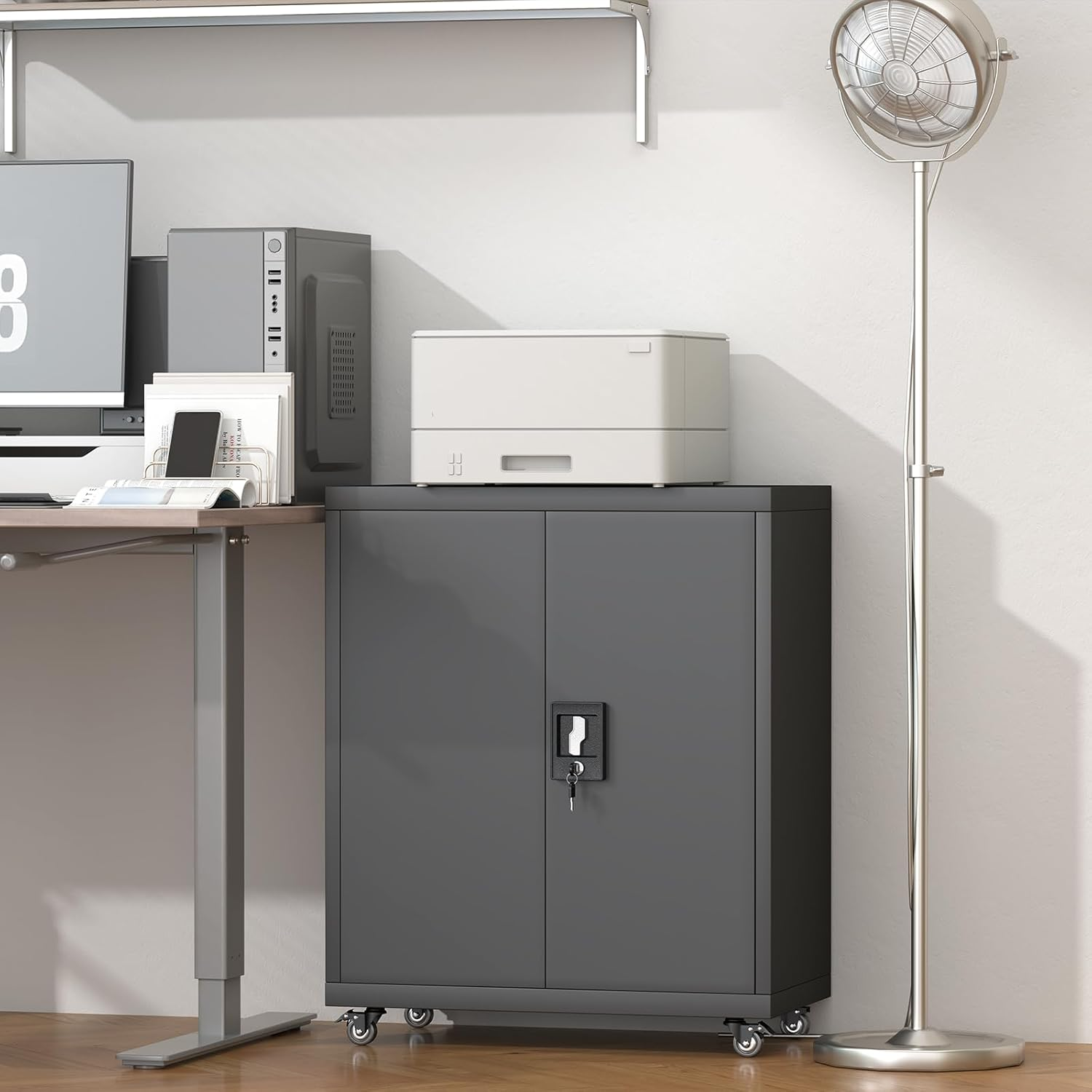
Cartons of mixed folders stand along an archive room wall while a fitter marks bays on the floor with tape. Some cartons hold A4 documents, others hold letter-size files, and a third batch holds hanging folders already clipped to metal bars. The team rolling out a storage file cabinet has to settle these formats before a single unit is bolted down, because drawer depth and slide travel decide what actually fits. Retrieval speed, not just capacity, becomes the measure of the layout. A sourcing brief built around folder geometry and drawer travel reads differently from one built around paint and handles.
At the Archive Door: A Batch Rollout Observed
Mixed A4 and letter cartons reached the first cabinet row
The first delivery exposed a mismatch nobody had written down. Cartons of A4 folders and letter-size files were stacked together, yet the cabinet row had been ordered with one fixed drawer depth. Staff began sliding dividers by hand to keep shorter letter folders from tipping forward. The fix was a layout decision made before more units arrived: map each bay to one format, then order a storage file cabinet with an adjustable filing bar for the mixed bays. Separating formats on paper prevented quiet improvising later.
The layout decision behind the numbered bays
Numbering turned out to be a physical task, not a spreadsheet task. Each bay, cabinet, and drawer received a printed label that matched a wall index, so a folder could be found by walking a single line rather than opening several units. Label holders on the drawer fronts kept the plan legible after staff changes. A storage file cabinet ordered with those holders from the factory avoids the drift that comes from taping handwritten notes onto steel. The index also showed which bays held empty shelves.
What Fits and What Jams: Folder Formats Compared
Letter folders sit shallower than A4 inside a drawer
A4 sheets need more front-to-back depth than letter sheets, so a drawer sized for A4 leaves a gap behind shorter letter folders. Without a follower block or divider, that gap lets files slump and catch on the slide when the drawer closes. Hanging folders add a second dimension, because their rails must span the drawer width at a fixed spacing. A storage file cabinet with an adjustable filing bar handles both by moving the rail stops, while a fixed bar commits the drawer to one format.
Why drawer travel governs retrieval speed
Full-extension slides let a drawer clear the cabinet face, so the back folder can be read without lifting out the front stack. Short travel saves floor space but forces staff to lean in and shuffle, which slows every retrieval and wears folder edges. Travel should be judged with a loaded drawer, since a ball-bearing slide behaves differently under weight than it does empty. A storage file cabinet specified for archive use usually pairs full travel with an interlock, so only one extended drawer loads the unit at a time.
Setting Filing Bars, Slides, and Shelf Positions
How a filing bar suits a drawer to hanging folders
A filing bar is a movable rail that spans the drawer and carries the hooked edges of hanging folders. By sliding the bar forward or back, one drawer converts between front-to-back A4 filing and side-to-side letter filing. The bar should lock positively into its slots, because a rail that creeps under load spills folders into the slide channel. Cold-rolled steel sheet, laser cut and CNC bent, goes through degreasing and phosphating before electrostatic powder coating, which keeps the slots true after repeated cycles. A storage file cabinet with a loose bar feels imprecise in use.
Shelves and numbering that keep an index honest
Where a bay stores boxed records instead of folders, adjustable shelves matter more than rails. Shelf load depends on gauge and on reinforcement ribs folded into the panel, so a spec should state the intended load rather than a vague strength claim. Leveling feet keep a row of cabinets aligned on an uneven floor, which protects both the index and the slide alignment. A storage file cabinet with numbered shelves ties back to the wall index, so a misfiled box is visible during a routine walk.
Standards Turn a Storage File Cabinet Rollout Into a Repeatable Plan
Reference bodies frame the acceptance checklist
Codes and test methods give an archive rollout a repeatable baseline. Drawer travel under load belongs in the acceptance record, since ANSI/BIFMA X5.9 defines strength and cycle expectations for storage units. A factory in Luoyang founded in 1992, occupying 30,000 square meters with a monthly output of 10,000 pcs, is easier to audit when ISO 9001 governs its quality management system. Clear aisles matter as much as strong drawers: OSHA 1910.37 and NFPA 101 both speak to exit routes, so a storage file cabinet row must leave a continuous path.
Buying a storage file cabinet: Name the folder formats, including A4, letter, and hanging folders, and state the required drawer travel. Ask whether filing bars are adjustable. Confirm cold-rolled steel gauge, ball-bearing slide rating, and label holders. Luoyang Huawei Office Furniture Co., Ltd takes a custom order per customer plan or sample, so request a unit built to the production drawing.
Inspecting a storage file cabinet on arrival: Open each drawer to full travel and check that the slide runs smoothly under a test load, then confirm the interlock blocks the others. Move the filing bar through every slot and verify it locks. Look for square corners, intact powder coating, and protected edges from mail order packing. Match the delivered labels against the wall index before signing off.
Using a storage file cabinet day to day: File each format in its assigned bay, keep hanging folders on their rails, and use follower blocks so shorter letter files do not slump. Extend one loaded drawer at a time and push it fully home before opening the next. Log any misfiled box against the wall index, and keep the aisle clear.
Maintaining a storage file cabinet in service: Wipe the powder-coated surface with a mild cleaner and clear dust from the slide channels. Cycle each drawer on a fixed schedule, noting any stiffness before it becomes a jam. Re-tighten leveling feet, check that rail stops still lock, and refresh worn labels from the wall index.
Frequently Asked Questions
Q: Will A4 and letter folders share one storage file cabinet drawer?
A: Yes, provided the drawer has an adjustable filing bar or a follower block. A4 sheets need more front-to-back depth than letter sheets, so shorter files tend to slump into the empty space behind them and catch on the slide. A movable bar or divider holds the file block upright and lets one drawer switch formats. Confirm the fit with real folders at the sample stage, since a catalogue dimension rarely shows how a loaded drawer behaves.
Q: What drawer travel is practical for a fully loaded archive drawer?
A: Full-extension travel is usually the practical choice, because it lets a reader reach the back folder without lifting out the front stack. Short travel saves floor space yet forces staff to lean in and shuffle, which slows retrieval and wears folder edges. Judge travel with a loaded drawer, since a ball-bearing slide behaves differently under weight. Pair full travel with an interlock so only one extended drawer loads the cabinet at a time.
Q: How does a filing bar adapt a drawer for hanging folders?
A: A filing bar is a rail that spans the drawer and carries the hooked edges of hanging folders. Sliding it forward or back changes the usable depth, while flipping its orientation switches between front-to-back A4 filing and side-to-side letter filing. The bar must lock firmly into its slots, because a rail that creeps under load spills folders into the slide channel. Check that a sample bar moves smoothly yet holds position when the drawer is fully loaded.
Q: How should archive cabinets be numbered for retrieval?
A: Give each bay, cabinet, and drawer a printed label that matches a wall index, so a folder is found by walking one line rather than opening several units. Label holders on drawer fronts keep the scheme legible after staff changes, and numbered shelves tie boxed records back to the index. Order holders from the factory instead of taping handwritten notes onto steel, since taped labels drift and a consistent index makes a misfiled box visible during a walk.
Q: Are fixed or adjustable shelves better for mixed records?
A: Adjustable shelves suit mixed records, because a bay holding boxed files can be reconfigured as the collection changes. Shelf load depends on sheet gauge and on reinforcement ribs folded into the panel, so a specification should state the intended load rather than a vague strength claim. Fixed shelves work for one uniform box size, yet they waste height when formats vary. Leveling feet keep a long row aligned, protecting both the index and slide alignment.
Q: Which standards support an archive-room cabinet rollout?
A: ANSI/BIFMA X5.9 covers strength and cycle expectations for storage units, so drawer travel under load belongs in the acceptance record. ISO 9001 points to the quality management system behind steady production. OSHA 1910.37 and NFPA 101 both speak to exit routes, so a dense cabinet row must keep a clear aisle at all times. Mapping each clause to a drawing or test record turns a generic claim into an acceptance point at delivery.