
 EN
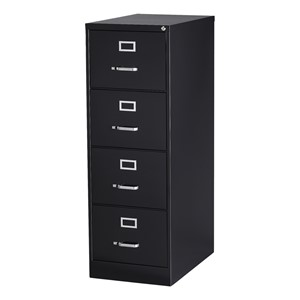
Key Structural Features of a Steel Metal Cabinet with Lock
Cold-Rolled vs. Stainless Steel: Corrosion Resistance and Load-Bearing Capacity
Cold-rolled steel—typically commercial-grade SPCC with a powder-coated finish—is the standard for lockable metal cabinets in dry industrial and office settings. The powder coating seals the surface against moisture, light chemicals, and daily abrasion, while the base steel delivers high structural strength. High-capacity welded models commonly support up to 900 lbs of evenly distributed weight, with individual shelves rated at 110 lbs in many specifications.
Stainless steel eliminates the need for protective coatings thanks to its self-repairing chromium oxide layer, offering superior corrosion resistance in demanding environments: food-processing facilities, pharmaceutical cleanrooms, coastal locations, and washdown areas where salt or aggressive cleaners would degrade coated carbon steel. However, stainless steel does not inherently increase load capacity—unless paired with thicker gauge material and reinforced shelf supports. Its higher cost is justified only when environmental exposure necessitates long-term corrosion immunity.
| Attribute | Cold-Rolled Powder-Coated Steel | Stainless Steel |
|---|---|---|
| Corrosion resistance | Good while coating remains intact | Excellent, even without added coating |
| Typical load capacity | Up to 900 lbs total, evenly distributed | Moderate to high, depends on gauge |
| Cost level | Lower | Higher |
| Best use | Dry indoor storage, workshop, archive | Wet, washdown, chemical, coastal |
Most B2B buyers prioritize cold-rolled SPCC when budget, load requirements, and controlled indoor conditions drive the decision. Stainless steel becomes the preferred choice only when continuous moisture exposure or frequent chemical cleaning makes coating integrity unreliable.
Gauge Thickness (14–18 Gauge) and Its Direct Impact on Dent Resistance and Longevity
Steel gauge directly influences dent resistance, panel rigidity, and long-term durability. In the 14–18 gauge range, lower numbers indicate thicker material: 14-gauge steel resists deformation far more effectively than 18-gauge under impact or sustained load. That added thickness improves door alignment stability, reinforces lock mounting points, and reduces flex-induced wear on hinges and latches over time.
A 16-gauge build strikes a practical balance—robust enough for daily industrial handling yet lighter and more cost-effective than 14-gauge. Meanwhile, 18-gauge units suit low-impact applications like file storage or binder organization in moderate-traffic offices—but may dent easily when struck by heavy tools or equipment. For tool rooms, security-sensitive records, or high-contact environments, 14- or 16-gauge construction is strongly recommended. Buyers should verify that the stated gauge applies to the entire cabinet body—not just the doors—as thinner side panels or backs can compromise overall rigidity and shorten service life.
Locking Mechanisms That Define Security Performance in a Metal Cabinet with Lock
Cam Locks, Tubular Pin Tumbler, and Electronic Keypads: UL 2050 & EN 1303 Certification Benchmarks
Security begins at the lock core. Cam locks remain the most widely used option for light- to medium-duty enclosures, relying on a rotating cam bar to secure the door and enabling master-key systems. Yet standard cam locks offer limited resistance to picking, drilling, or forced manipulation. Tubular pin tumbler locks improve tamper resistance using circular pin arrays that complicate manual bypass attempts. Electronic keypads add programmable access control—including time-limited codes, user-specific permissions, and full audit trails—making them ideal for medical supply cabinets, IT server rooms, and cash-handling stations where traceability is critical.
Independent certification provides objective validation. UL 2050 evaluates lock construction, endurance, and forced-entry performance under standardized conditions. EN 1303 assigns an 8-digit classification covering durability, key security, drill resistance, and corrosion resistance. Buyers should request test reports matching the exact lock model installed—not just the cabinet shell. A lock with strong EN 1303 durability and security grades may suffice for general office storage, while high-traffic industrial or regulated environments often require higher-tier classifications.
Anti-Drill Plates and Reinforced Strike Plates: Validated 63% Reduction in Forced Entry (UL 2023)
Even a certified lock fails if the surrounding door assembly lacks reinforcement. Anti-drill plates—typically made from hardened steel—shield the lock cylinder from bit penetration. Reinforced strike plates distribute prying and impact forces across a broader area, minimizing door warping and hinge displacement. According to UL 2023 forced-entry testing, cabinets combining both features demonstrated a 63% reduction in successful break-in attempts compared to units with standard strike plates. Crucially, this result reflects the entire door assembly, not the lock alone.
For B2B procurement, specify minimum strike plate thickness (e.g., ≥3 mm), screw length (≥16 mm into solid frame), and door edge clearance (<1.5 mm). A tight door fit leaves no gap for pry tools. Confirm hinges are either welded or secured with tamper-resistant screws. These physical upgrades represent minimal cost relative to potential theft losses, warranty claims, or repeat procurement—and significantly extend functional security life.
B2B Sourcing Best Practices for Steel Metal Cabinet with Lock
Supplier Vetting: ISO 9001/14001 Verification as a Predictor of On-Time Delivery (+92% Accuracy)
Begin supplier vetting with verification of ISO 9001 (quality management) and ISO 14001 (environmental management) certification. Dual certification correlates strongly with delivery reliability: audited suppliers demonstrate 92% higher on-time delivery accuracy than non-certified peers, per 2023 global supply-chain audits. Always validate certificates directly through the issuing registrar—not via supplier-provided PDFs—and request current audit summaries, factory location details, and batch-level inspection records.
Certified manufacturers are more likely to maintain consistent welding quality, precise powder-coat thickness, and accurate lock alignment—reducing post-delivery disputes and hidden rework costs. Avoid self-declared compliance. Require third-party test data for critical specs: steel gauge verification (via mill test reports), dent resistance (per ASTM D3170), and lock cycle endurance (per ANSI/BHMA A156.13). This step efficiently identifies partners with documented process control and predictable logistics performance.
MOQ Flexibility, Lead Time Transparency, and Compliance Documentation (RoHS, CE, Test Reports)
MOQ flexibility and lead time transparency distinguish responsive manufacturers from intermediaries. A qualified producer may offer tiered MOQs—e.g., 50 units for standard 14-gauge cabinets, 200 units for custom locking configurations—enabling scalable procurement without overstocking. Request written lead times broken down by phase: steel sourcing, fabrication, lock integration, and pre-shipment inspection. Transparent scheduling supports warehouse planning, project timelines, and inventory turnover goals.
Compliance documentation must include RoHS certificates (confirming restricted substance compliance), CE declarations (covering EU safety and EMC requirements), and independent test reports validating load capacity, gauge thickness, dent resistance, and lock cycle life. A practical document checklist includes:
| Document | Purpose |
|---|---|
| RoHS certificate | Confirms restricted substance compliance |
| CE declaration | Covers EU safety and EMC requirements |
| Test report | Validates gauge thickness, dent resistance, lock cycle life |
Always request physical samples before bulk orders—and confirm that all certificates reference the exact production unit and supplier name. This practice mitigates customs delays, return rates, and regulatory non-compliance risk.
FAQ Section
What is the standard load capacity of cold-rolled steel cabinets?
Cold-rolled steel cabinets typically have a total load capacity of up to 900 lbs when weight is evenly distributed. Individual shelves are commonly rated for 110 lbs.
When should stainless steel cabinets be prioritized over cold-rolled steel?
Stainless steel cabinets are ideal for environments exposed to moisture, chemicals, or frequent cleaning, such as food-processing facilities, coastal areas, or cleanrooms.
Why is steel gauge important in cabinet construction?
Steel gauge impacts dent resistance, durability, and structural rigidity. Thicker gauges, such as 14-gauge steel, provide higher resistance to deformation and are recommended for high-contact or security-sensitive environments.
What certifications should locks have to ensure security?
Certifications like UL 2050 and EN 1303 validate locks' construction, endurance, and resistance to forced entry. Buyers should prioritize models with documented certification tests.
What guarantees a reliable supplier?
A supplier with ISO 9001 and ISO 14001 certifications demonstrates quality and environmental management, ensuring higher delivery accuracy and product consistency.
What documents should be requested during sourcing?
Buyers should ask for RoHS certificates, CE declarations, and test reports for load capacity, dent resistance, and lock cycle life to ensure regulatory compliance and performance standards.
Table of Contents
- Key Structural Features of a Steel Metal Cabinet with Lock
- Locking Mechanisms That Define Security Performance in a Metal Cabinet with Lock
- B2B Sourcing Best Practices for Steel Metal Cabinet with Lock
-
FAQ Section
- What is the standard load capacity of cold-rolled steel cabinets?
- When should stainless steel cabinets be prioritized over cold-rolled steel?
- Why is steel gauge important in cabinet construction?
- What certifications should locks have to ensure security?
- What guarantees a reliable supplier?
- What documents should be requested during sourcing?