
 EN
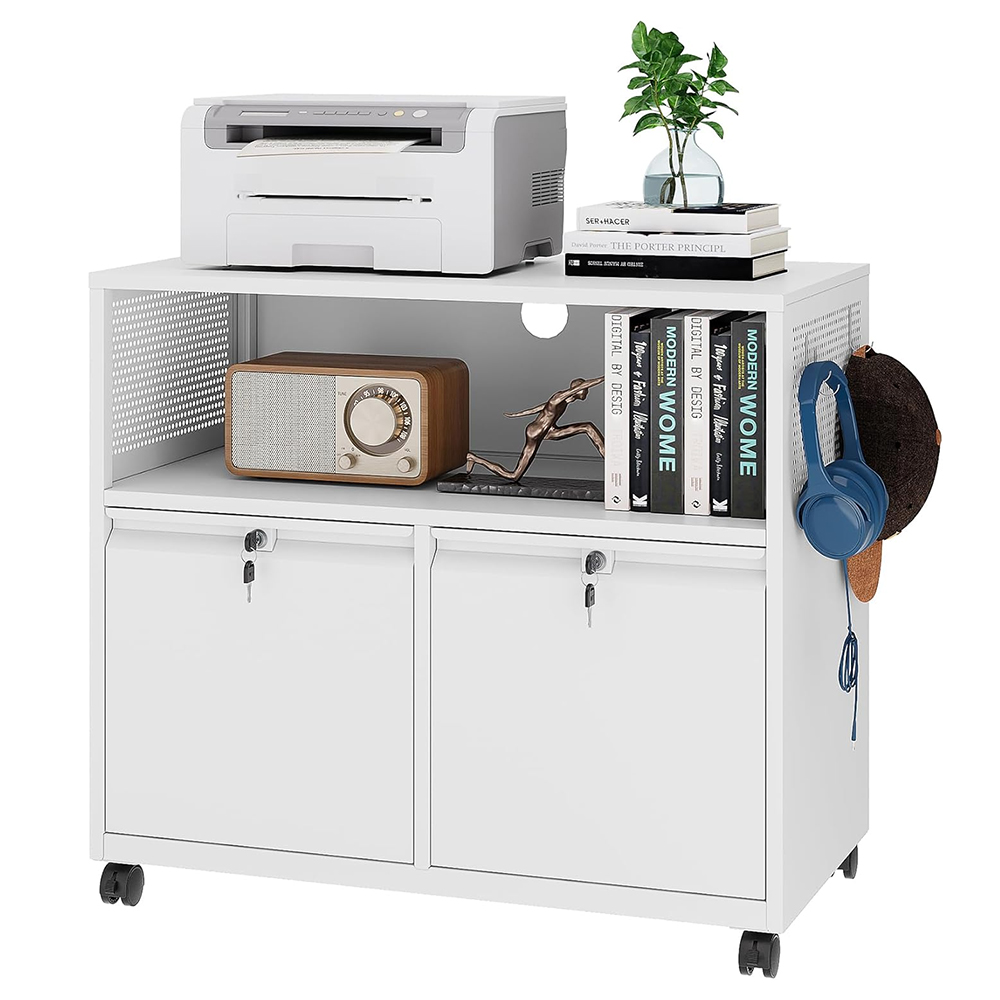
Operational Efficiency: How a Heavy Duty Metal Cabinet with Wheels Accelerates Workflow in Industrial Settings
Mobile Storage Cuts Task Time by 22% in Distribution Centers (MHI 2023)
Distribution centers often lose time to walking, searching, and double-handling. Mobile storage addresses that friction directly. A heavy duty metal cabinet with wheels brings tools, parts, and fasteners to the point of use—eliminating repeated trips to fixed storage areas. According to the Material Handling Institute’s 2023 benchmark study, mobile storage reduces task completion time by 22% in distribution center operations. This gain stems from fewer steps, reduced workstation congestion, and faster access to high-turnover inventory. Workers no longer leave production lines to retrieve single components; instead, essentials remain within arm’s reach. Locking casters enable quick repositioning as workflows evolve—supporting line changes, batch processing, and seasonal demand spikes without new fixed infrastructure. The result is less downtime from misplaced or damaged tools and compounding time savings in high-throughput environments. For B2B buyers, that 22% improvement often justifies full ROI within the first year through tighter cycle times and stronger capital approval justification.
Engineered Mobility: Reinforced Frame + Dual-Bearing Casters Enable Safe Load Redistribution
Not all mobile cabinets handle heavy loads safely—the distinction lies in frame integrity and caster engineering. A reinforced steel frame resists racking and torsional stress when fully loaded, ensuring smooth drawer operation over years of use. Dual-bearing casters distribute weight evenly across each wheel, preventing localized deformation of light-gauge sheet metal. In practice, this means a fully loaded 600 lb cabinet moves steadily across uneven floors without wobble or wheel failure. Workers can transport it directly from storage to point-of-use without unloading—preserving internal organization and eliminating redundant handling steps. That stability also lowers tip-over risk, protecting both personnel and inventory. When casters meet ANSI or ANSI/BIFMA standards for load rating, impact resistance, and swivel durability, performance becomes predictable and repeatable—extending service life and minimizing unplanned workflow interruptions.
Long-Term Value: Durability and Total Cost of Ownership of a Heavy Duty Metal Cabinet with Wheels
Lifespan Comparison: 12+ Years vs. <18 Months for Light-Duty Alternatives
A heavy duty metal cabinet with wheels built from reinforced steel commonly remains serviceable for 12 or more years in demanding industrial settings. By contrast, light-duty alternatives—constructed from thin-gauge frames, plastic panels, or exposed hardware—often fail in under 18 months due to daily movement, impact loads, and floor irregularities. This dramatic lifespan gap reshapes replacement economics: a $300 steel cabinet lasting 20 years costs just $15 annually, while a $400 wood or laminate unit requiring replacement every 8 years averages $50 per year—and weaker mobile units may need replacing even sooner. Fewer replacements also cut procurement labor, assembly time, and disposal overhead. Across multi-station operations, the durability of a wheeled steel cabinet sustains low total cost of ownership and rare workflow disruptions.
Material & Construction Drivers: 14-Gauge Steel, Welded Joints, and ANSI-Tested Casters
Durability begins with material and construction choices. Cabinets fabricated from 14-gauge steel resist denting and structural distortion far better than those using 18- or 20-gauge panels. Fully welded joints—not spot welds or mechanical fasteners—distribute rolling and loading stresses uniformly across the frame, preventing loosening or joint fatigue over time. Equally critical is the caster system: heavy-duty service demands casters tested to ANSI or ANSI/BIFMA X5.9 standards for static/dynamic load capacity, impact resistance, and swivel-cycle endurance. In high-traffic facilities, dual-bearing casters paired with reinforced mounting plates maintain stability when crossing thresholds or floor joints. Buyers should verify caster ratings reflect fully loaded conditions—not empty cabinet specs. Together, 14-gauge steel, continuous welds, and certified casters deliver over a decade of safe, reliable service.
Regulatory Confidence: How Certified Heavy Duty Metal Cabinet with Wheels Meets OSHA, ANSI, and Industry Safety Standards
Certification Mandates: Why 91% of Manufacturing Buyers Require ANSI/BIFMA-Compliant Units
Ninety-one percent of manufacturing buyers require ANSI/BIFMA-compliant units before approving a heavy duty metal cabinet with wheels—a threshold established in the 2023 industry procurement survey. This requirement reflects operational necessity, not bureaucracy. ANSI and BIFMA publish rigorous testing protocols—including load, tilt, and cycle validation—under standard X5.9. OSHA 1910.106 and NFPA 30 add specific mandates for flammable-liquid storage cabinets: self-closing doors, dual 3-inch latches, and 1.5-inch insulated double walls. Certified casters must also pass dynamic load and fatigue tests to ensure stability in narrow aisles and high-traffic zones. These certifications shorten safety audits, reduce tip-over and fire risks, and mitigate legal and insurance exposure. Non-compliant units typically lack documented test data—introducing uncertainty into risk assessments and increasing long-term liability.
FAQ
Why is mobility important in industrial cabinets?
Mobility in industrial cabinets reduces task time by allowing immediate access to tools and components, decreasing downtime and improving efficiency. Lockable wheels also facilitate adaptability to changing workflows.
What makes heavy-duty cabinets more durable than light-duty alternatives?
Heavy-duty cabinets are constructed from 14-gauge steel with welded joints, ensuring durability over 12+ years. Light-duty alternatives often fail within 18 months due to weaker materials and construction.
How do certifications like ANSI/BIFMA benefit industrial operations?
Certifications ensure the cabinet meets stringent safety and performance standards, reducing risks such as tipping or breaking under load. They also accelerate compliance with OSHA and NFPA standards.
What factors contribute to the total cost of ownership for a mobile metal cabinet?
Durability, lifespan, maintenance, and the need for replacements affect total ownership costs. Heavy-duty units have lower annual costs due to their extended service life and reliability.
Can heavy-duty cabinets be safely moved when fully loaded?
Yes, heavy-duty cabinets with reinforced frames and dual-bearing casters are designed to transport fully loaded without compromising safety or stability.
Table of Contents
- Operational Efficiency: How a Heavy Duty Metal Cabinet with Wheels Accelerates Workflow in Industrial Settings
- Long-Term Value: Durability and Total Cost of Ownership of a Heavy Duty Metal Cabinet with Wheels
- Regulatory Confidence: How Certified Heavy Duty Metal Cabinet with Wheels Meets OSHA, ANSI, and Industry Safety Standards
-
FAQ
- Why is mobility important in industrial cabinets?
- What makes heavy-duty cabinets more durable than light-duty alternatives?
- How do certifications like ANSI/BIFMA benefit industrial operations?
- What factors contribute to the total cost of ownership for a mobile metal cabinet?
- Can heavy-duty cabinets be safely moved when fully loaded?