
 EN
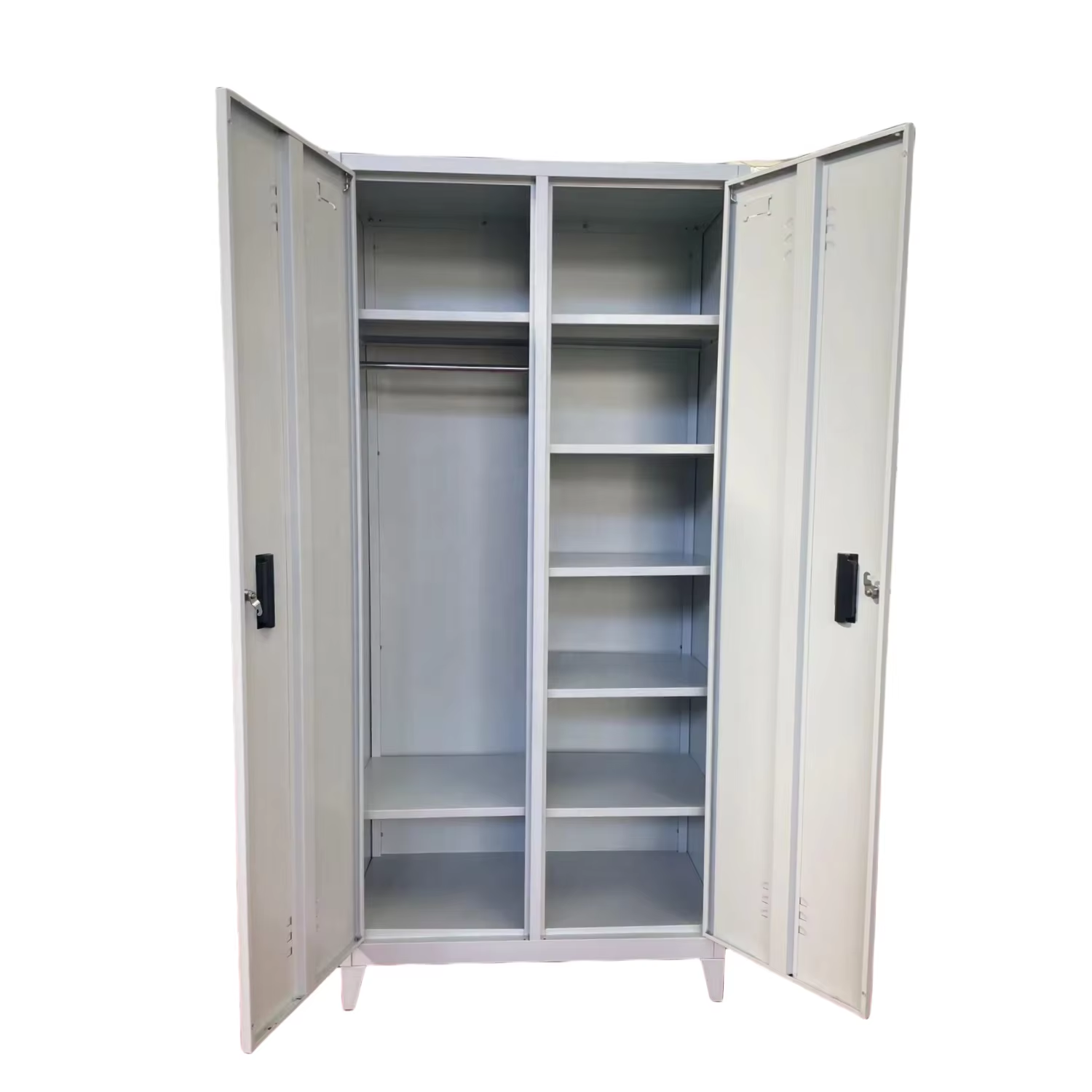
Why Industrial Operations Rely on Mobile Metal Cabinets
Industrial environments rarely stay static. Production lines shift, workstations expand, and maintenance teams need tool access at the point of use. A mobile metal cabinet supports this fluidity by combining heavy-gauge steel construction with industrial-grade casters—enabling operators to reposition secure storage without forklifts or production downtime. Unlike fixed shelving, these units reduce walking and retrieval time; in lean terms, they eliminate non-value-added motion. Lockable drawers and reinforced frames protect high-value tools and calibrated instruments from damage, theft, and contamination. Facilities select drawer configurations for small parts or adjustable shelves for bulk inventory—tailoring storage to task-specific needs. This flexibility is especially critical in high-mix, low-volume production and maintenance, repair, and overhaul (MRO) settings where tasks change frequently. Because steel is durable and recyclable, mobile metal cabinets often outlast wood or polymer alternatives—supporting long-term asset management and sustainability goals. The result is faster access, fewer lost items, and safer material handling. When workflows demand rapid reconfiguration—whether for equipment changeovers, quality audits, or cross-shift handoffs—mobile storage keeps tools, kits, and supplies organized next to the work. That combination of security, mobility, and layout adaptability is why industrial operations treat these cabinets as core infrastructure—not accessory storage.
Stainless Steel Grades for Mobile Metal Cabinets: 304 vs. 316 Compared
Corrosion Resistance and Environmental Fit
Specifying the right stainless steel grade starts with the service environment—not the catalog label. Grade 304 contains ~18% chromium and ~8% nickel, delivering reliable resistance to moisture, oxidation, and standard industrial cleaners. Grade 316 adds 2–3% molybdenum, which significantly enhances resistance to chlorides, salt spray, and aggressive chemical washdowns.
| Factor | 304 Stainless Steel | 316 Stainless Steel |
|---|---|---|
| Molybdenum content | None | 2–3% |
| Chloride resistance | Low to moderate | High |
| Typical placement | Dry interiors, general industrial | Coastal, marine, chemical washdown |
| Relative cost | Baseline | 20–40% higher |
In dry warehouses, assembly areas, or ISO 7 cleanrooms, 304 is almost always adequate. Reserve 316 for coastal facilities within 1 km of salt spray, marine galleys, or operations using chloride-bearing disinfectants. If the cabinet won’t contact seawater, de-icing salts, or chlorine-based cleaning agents, 304 fits the environmental profile without overspending.
Lifecycle Cost Analysis: Upfront Price vs. Long-Term Replacement Savings
While 316 typically costs 20–40% more than 304 due to added nickel and molybdenum, lifecycle value depends entirely on environmental exposure. In dry or mild industrial settings, a well-constructed 304 mobile metal cabinet—with quality welds and industrial casters—often lasts over a decade. In those cases, the 316 premium delivers no measurable return. Conversely, in chloride-heavy environments, 304 can develop pitting in as little as 12–24 months—making early replacement far more expensive than the initial cost saving. Buyers should weigh purchase price against downtime, rework, and disposal costs. In marine or chemical washdown applications, 316 usually pays back by avoiding even one premature replacement cycle. In standard manufacturing and logistics areas, 304 consistently delivers the lower total cost of ownership.
How to Evaluate Suppliers of Mobile Metal Cabinet Units
Selecting a reliable supplier means moving beyond catalog images to verify structural safety, caster reliability, and production control. Focus on the two areas below before issuing a purchase order.
Certifications, Load Testing, and Caster Specifications That Matter
Ask the supplier for ISO 9001:2015 quality management certification and third-party test documentation aligned with ANSI/BIFMA X5.5-2021 or ANSI/ASME storage standards. Validated load test reports should demonstrate static and dynamic capacity at least 25% above the published rating. For mobile units, caster performance is mission-critical—since a cabinet can pass body-load tests but fail during movement. Require total-lock brakes on two or more casters, welded top plates, and wheel treads suited to your floor surface. As a practical safeguard, specify individual caster capacity based on fully loaded weight divided by three—not four—to accommodate uneven floors or debris impact. In washdown or cleanroom environments, sealed precision bearings and polyurethane or stainless steel treads prevent corrosion and particulate shedding. These documented checks help buyers compare suppliers on engineering evidence—not just price.
Customization Capabilities and Lead Time Transparency
Confirm that the supplier can adjust drawer dividers, shelf heights, locking points, and panel cutouts without treating every change as full custom reengineering. Request an itemized quote separating tooling, steel gauge, powder coating, and assembly costs—and ask for a pre-production drawing with tolerances before order acceptance. Lead time should cover raw material sourcing, fabrication, finishing, and caster installation—not just welding. A reliable supplier will state standard lead times of 6–8 weeks and custom variations at 10–12 weeks, with weekly production updates. This transparency reduces the risk of delayed line-side tool changes, facility moves, or laboratory reorganizations. If a supplier cannot provide a written change-order process or work-in-process tracking, treat lead time claims as unverified.
Integrating Mobile Metal Cabinets into Lean and Regulatory-Compliant Workflows
A mobile metal cabinet supports lean material flow by bringing tools, parts, and documentation directly to the point of use. Locking casters, reinforced base plates, and anti-tip mechanisms reduce walking, searching, and unnecessary motion during setup and changeover. This portability lets teams reconfigure workstations quickly instead of relying on fixed storage layouts—cutting non-value-added movement.
OSHA Ergonomics and ISO 13485/Good Manufacturing Practice Alignment
OSHA’s ergonomics guidance targets musculoskeletal strain from repeated lifting and carrying. A mobile metal cabinet with ergonomic push handles, smooth-rolling casters, and stable drawer stops keeps heavy items at waist height—reducing bending and manual transport. In regulated environments, ISO 13485 and Good Manufacturing Practice (GMP) require controlled storage, segregation, and traceability of tools and materials. Mobile units can be configured with labeled drawers, lockable compartments, and cleanable stainless steel surfaces to support audit readiness. Positioning the cabinet at the workstation shortens retrieval time and reinforces 5S visual management. Teams can roll the unit to cleaning or inspection zones without transferring loose items—preserving chain of custody and lowering contamination risk.
FAQ
What is the main advantage of mobile metal cabinets in industrial operations? Mobile metal cabinets offer flexibility, enabling efficient storage and quick reconfiguration for tasks or workflows.
Are stainless steel grades 304 and 316 different? Yes, 316 is more resistant to chlorides and aggressive environments but costs 20–40% more than 304, which is ideal for dry and mild industrial settings.
How important are certifications when selecting a mobile metal cabinet supplier? Certifications like ISO 9001:2015 and validated load tests ensure quality and safety, making them critical when choosing a reliable supplier.
How do mobile metal cabinets support lean workflows and regulatory compliance? By reducing unnecessary motion and offering traceable, secure, and segregated storage, they align with OSHA ergonomics and ISO 13485 standards.