
 EN
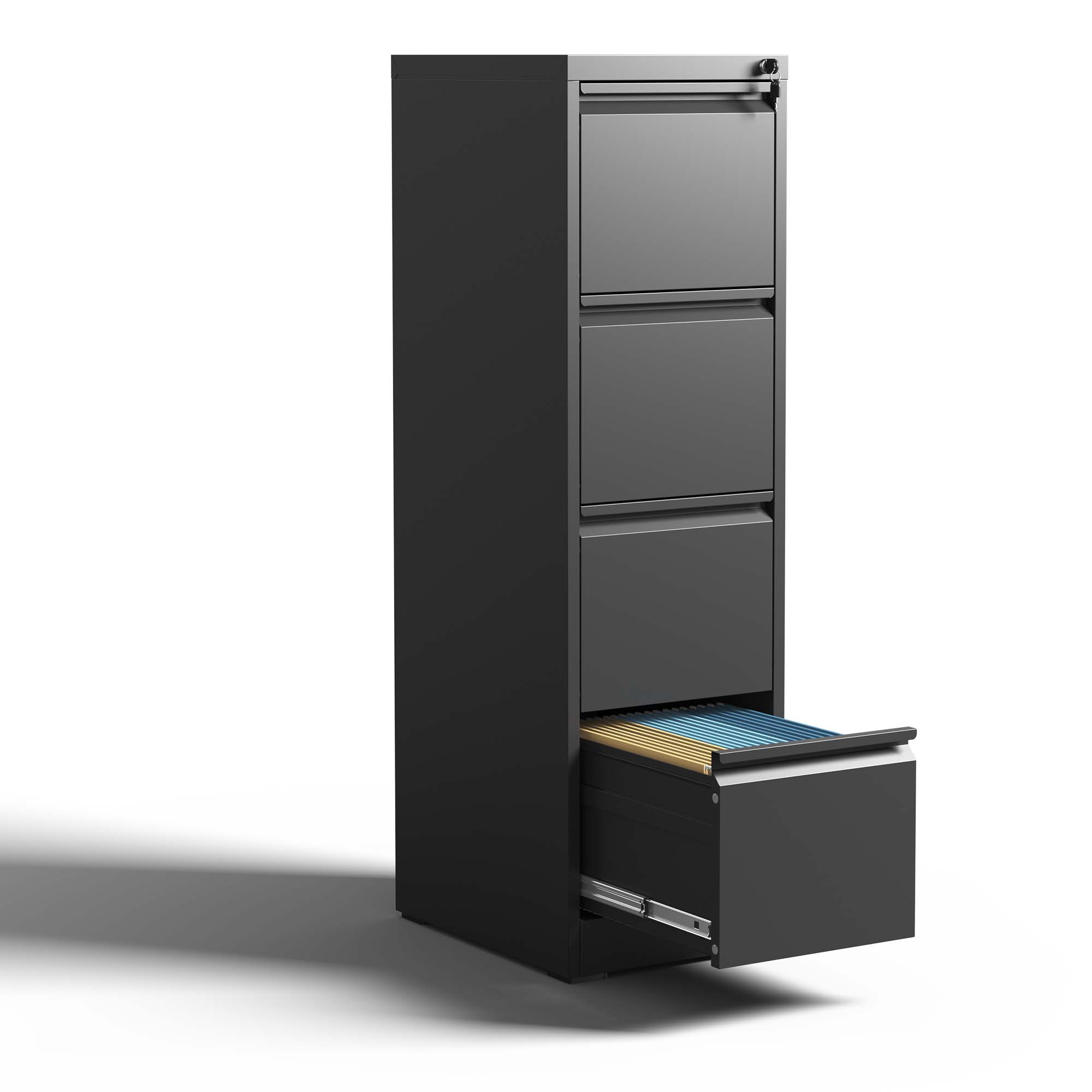
Key Selection Criteria for Steel Narrow Vertical Cabinet Units
Optimizing vertical footprint and ergonomics for space-constrained industrial environments
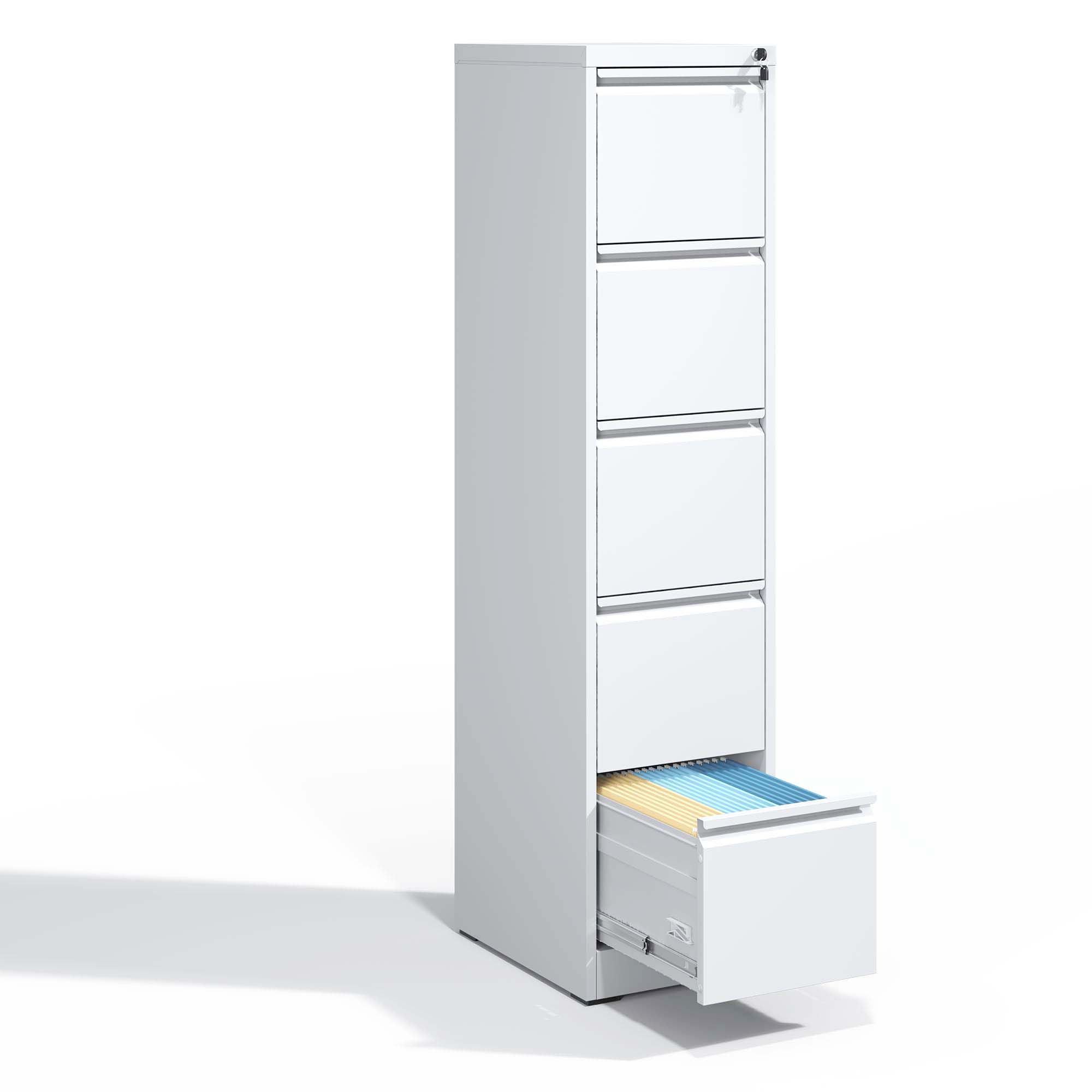
A narrow vertical cabinet maximizes floor efficiency by leveraging overhead space instead of horizontal sprawl—critical where aisle widths and work zones are tightly constrained. Standard units typically measure under 500 mm wide but reach up to 2 000 mm high, delivering 40–60 % more storage per square meter than conventional lateral cabinets. Placing high-use items between shoulder and knee height reduces bending and reaching, lowering musculoskeletal injury risk by an estimated 18 % (Liberty Mutual 2022). Reinforced leveling feet and wall-anchoring kits ensure stability on uneven floors, while perforated side panels support accessories like bins or tablet arms without expanding the unit’s tight footprint. When evaluating options, confirm door swings do not impede traffic paths and that casters—where fitted—lock securely to prevent unintended movement during frequent tool retrieval.
Stainless steel grade comparison: 304 vs 316 for corrosion resistance in washdown, outdoor, and cleanroom applications
Grade selection directly impacts service life and contamination control. The table below highlights key differentiators:
| Property | 304 (UNS S30400) | 316 (UNS S31600) |
|---|---|---|
| Molybdenum content | ≤ 0.6 % | 2–3 % |
| Pitting resistance | Moderate; withstands intermittent moisture and mild chemicals | High; resists chlorides, brine, and aggressive sanitizers |
| Typical outdoor durability | Suitable for sheltered or rural environments | Engineered for coastal, de-icing salt, or acidic rain exposure |
| Cleanroom suitability | Acceptable for ISO Class 8 if electropolished | Preferred for ISO Class 5–7 when corrosive disinfectants are used |
In food processing washdown zones, 316’s molybdenum enhances passive film formation, significantly improving resistance to chloride-induced pitting compared to 304. A 2023 NACE International study found a 50 % reduction in corrosion-related cabinet replacements after switching from 304 to 316 in humid, chemically aggressive areas. For cleanrooms, both grades can meet surface finish requirements (Ra ≤ 0.8 µm), but only 316 reliably prevents particle-shedding corrosion by-products following repeated vaporized hydrogen peroxide sterilization cycles. Procurement teams must align steel grade with the facility’s chemical exposure profile—not just initial cost.
Load capacity validation and structural compliance (ASTM F2057, ANSI/BHMA A156.12)
A unit’s static shelf rating—commonly 30–80 kg per level—is only one part of structural integrity. Tip-over resistance, governed by ASTM F2057‑23, requires cabinets to remain upright when subjected to a 136 kg horizontal force applied to the top front edge—a test simulating worker lurching or shifting inventory. Likewise, ANSI/BHMA A156.12‑2018 certifies that locking linkages and door interconnects endure over 2 000 operational cycles without degradation, preserving security and hinge alignment. Procurement documents should require third-party test reports—not manufacturer declarations alone. During site evaluation, verify shelves are fully welded or robustly bolted, and that anti-racking cross-braces are present in cabinets taller than 1 800 mm. Finally, confirm the load data plate specifies maximum distributed weight: concentrated loads near a shelf’s center can reduce effective capacity by up to 25 %.
Interior Adaptability and Application-Specific Configurations for Narrow Vertical Cabinet Units
A narrow vertical cabinet’s limited footprint demands interior systems that maximize every cubic inch. Modular components enable rapid reconfiguration as operational needs evolve—essential in workshops where tool inventories or chemical assortments shift seasonally.
Modular shelving systems: weight-rated brackets, perforated back panels, and tool- or chemical-dedicated inserts
Shelving must balance strength and flexibility. Weight-rated brackets—typically supporting 50–150 lbs per shelf—secure heavy jigs and raw stock while permitting precise, tool-free height adjustments. Perforated back panels accept hooks and bins, converting vertical surfaces into accessible hanging storage for frequently used hand tools. For chemical storage, dedicated inserts feature spill-containment lips and corrosion-resistant coatings to safely segregate acids, solvents, and lubricants—preventing cross-contamination. This modular approach transforms a compact cabinet into a multi-function workstation without consuming additional floor space.
Sector-specific deployments: machine shop tool staging, lab chemical storage, and MRO parts consolidation
Machine shops deploy narrow vertical cabinets to stage cutting tools, collets, and precision gauges adjacent to CNC stations—cutting operator travel time. Laboratories use 316 stainless steel units with vented shelving to safely store flammable reagents in designated zones, meeting safety mandates. Maintenance teams consolidate MRO (Maintenance, Repair, and Operations) parts—fasteners, belts, spares—in labeled bins that simplify audits and reordering. Each deployment relies on height-driven density: tall, shallow drawers or pull-out shelves maintain accessibility without compromising the narrow profile, proving one platform can serve diverse workflows when interior configuration precisely matches functional intent.
Regulatory Compliance and Environmental Resilience of Narrow Vertical Cabinet Units
NEMA 3R/4X and OSHA 1910.176 requirements for outdoor, washdown, and hazardous material handling
Selecting a narrow vertical cabinet for exposed or regulated environments demands rigorous attention to enclosure ratings and material handling standards. Outdoor or frequent washdown units must meet NEMA 3R (rain-tight, resistant to falling water and ice) or NEMA 4X (corrosion-resistant, hose-directed water protection) to keep sensitive contents dry and functional. For hazardous chemical storage, OSHA 1910.176 requires unobstructed access routes, stable stacking, and anchoring to prevent tipping. Where ignitable materials are stored, construction must also satisfy NFPA 30’s double-wall and sump requirements—even if the primary rating is NEMA-based. Regular inspection of gaskets, latching mechanisms, and base-anchoring points ensures environmental resilience remains active risk mitigation—not just a specification—protecting personnel and inventory.
Fire-rated construction standards (UL 72, FM 6921) and thermal barrier integration for high-risk facilities
Fire protection for steel cabinets in high-risk settings extends beyond surface treatment. UL 72 certification verifies that an insulated cabinet’s interior stays below 350 °F during a 60-minute exposure to 1,700 °F external flame—preserving documents and digital media. FM 6921 evaluates entire storage assemblies for flame spread, structural stability, and insulation integrity under realistic fire conditions. Achieving these ratings requires integrated thermal barriers: intumescent seals that expand to seal door gaps, multi-layer ceramic or mineral-wool insulation between steel skins, and heat-reflecting coatings that limit radiative transfer. These features slow internal temperature rise, buying critical response time. Specifying tested assemblies—not just individual fire-rated panels—ensures corners, hinges, and latch points do not become failure paths, maintaining compartmentalized fire containment where it’s mandated.
Evaluating B2B Suppliers for Custom Steel Narrow Vertical Cabinet Fabrication
Choosing the right fabrication partner starts with verifying in-house technical capabilities. Prioritize suppliers that own and operate precision equipment—including CNC laser cutters, press brakes, and robotic welding cells—rather than outsourcing core processes. In-house powder coating and anti-corrosion finishing lines improve quality consistency and shorten lead times. Confirm ISO 9001 certification and that welders hold AWS or ASME qualifications. Equally important is material expertise: the fabricator must demonstrate deep experience with stainless steel grades (304, 316), cold-rolled, and galvanized steels—and provide mill test reports on request.
Protect intellectual property and avoid supply-chain surprises by demanding transparency on subcontracting. Vertically integrated shops—performing sheet-metal fabrication, surface treatment, and final assembly under one roof—typically deliver tighter tolerances, faster issue resolution, and greater repeatability. Before committing to volume production, commission a pilot run or pre-production sample reflecting your exact gauge, weld quality, and finish specifications. Validate capability through case studies, client references, and third-party audit summaries. Finally, align on commercial terms: confirm documented lead-time adherence, buffer stock for critical components or raw materials, and trade assurance or letter-of-credit options for international sourcing. A rigorous qualification process ensures cabinets fit first time, endure harsh environments, and uphold your production schedule.
FAQ
What is the typical size of a narrow vertical cabinet unit?
Narrow vertical cabinet units typically measure under 500 mm wide and can be up to 2,000 mm high. They provide approximately 40–60% more storage space per square meter compared to conventional lateral cabinets.
Which stainless steel grade should I choose for my cabinet?
Grade 304 stainless steel is suitable for general use, while grade 316 is ideal for environments involving corrosive agents, such as coastal, washdown, or cleanroom applications.
How is stability ensured in narrow vertical cabinets?
Narrow vertical cabinets ensure stability through features like reinforced leveling feet, wall-anchoring kits, and secure locking casters to prevent unintended movement.
What is ASTM F2057 compliance?
ASTM F2057-23 specifies that cabinets must resist tipping when subjected to a 136 kg horizontal force applied to the top front edge, replicating real-world scenarios like worker lurching or moving inventory.
What modular interior systems are available for narrow vertical cabinets?
Modular interiors include weight-rated adjustable shelves, perforated back panels, tool-specific inserts, and spill-containment solutions for storing tools, equipment, or hazardous materials efficiently and safely.
What factors should be considered when selecting a cabinet for outdoor or hazardous use?
Outdoor or hazardous environment cabinets should meet NEMA 3R or 4X ratings for water and corrosion resistance and adhere to OSHA 1910.176 and NFPA 30 standards where hazardous materials are involved.
Table of Contents
- Key Selection Criteria for Steel Narrow Vertical Cabinet Units
- Interior Adaptability and Application-Specific Configurations for Narrow Vertical Cabinet Units
- Regulatory Compliance and Environmental Resilience of Narrow Vertical Cabinet Units
- Evaluating B2B Suppliers for Custom Steel Narrow Vertical Cabinet Fabrication
- FAQ