
 EN
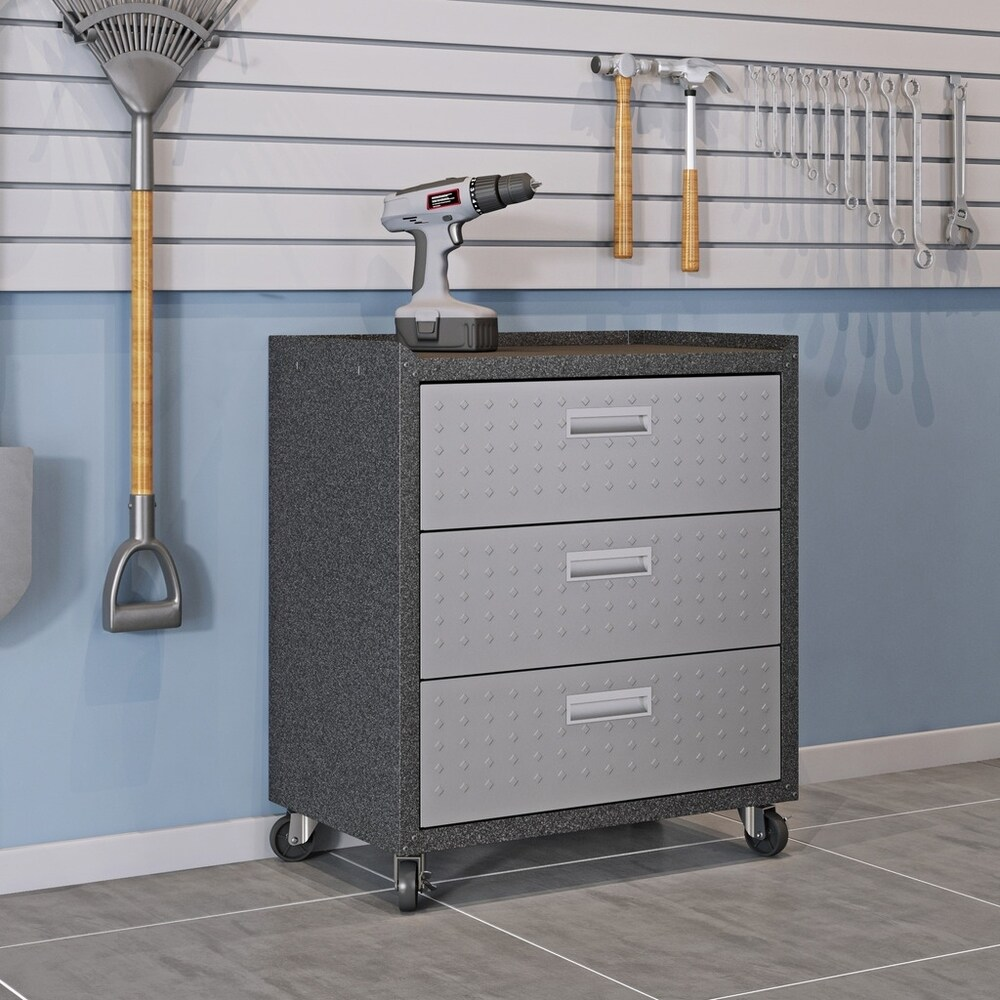
On a Monday walk-through of a reconfigured open-plan floor, a facilities coordinator stopped at a bank of desks with a tape measure in hand. The task was a repeat order, not a first purchase: half the workstations had a three-drawer pedestal tucked under the desktop, and the rest relied on a row of freestanding lateral units along a corridor wall. Knee clearance, drawer swing, and the walking width behind a chair all had to be read on site before any code was copied onto a purchase order. An office file cabinet that fits one layout can block another, so the comparison began with the floor, not the catalog.
Where Under-Desk and Freestanding Units Meet One Floor Plan
Measuring Knee Clearance Before a Repeat Order
The pedestal is a compact office file cabinet built to disappear under a desktop. Its value is proximity: a seated user reaches a drawer without standing, and the unit rolls on locking casters when a team reshuffles. The constraint is height. Measure from the floor to the desk underside, subtract caster height, and compare against the cabinet body. Leave room for a drawer to extend, because a full drawer that jams into a chair becomes a daily complaint. Vertical filing suits standard folders, while the narrower body keeps the aisle clear in dense layouts.
A Lateral Row Anchored the Corridor Wall
The freestanding units told a different story. Wider drawers take files side to side and hold more per drawer. That mass brings obligations: a lateral office file cabinet sits taller and heavier, so anchoring and anti-tip hardware belong in the spec, and leveling feet must be adjusted before drawers are loaded. On the observed floor, the row stood against a corridor wall, where NFPA 101 egress width and OSHA 1910.176 storage stability both apply. The coordinator noted that a freestanding bank should never narrow a required exit path.
Why Do Loaded Drawers and Uneven Floors Create Risk?
What a Full Drawer Changes About Balance
A closed steel cabinet is stable; an extended loaded drawer moves the center of gravity forward. The risk is not the weight of paper but the lever arm it creates when the top drawer is pulled out while the unit is unanchored. Drawer interlocks limit how many drawers open at once, and anti-tip brackets tie the carcase to the wall or floor. Treat an office file cabinet with open upper drawers as a tipping hazard under OSHA 1910.176 guidance, and specify interlocks on any tall unit.
Locks That Fit a Shared Keying Plan
Lock choice is a management decision as much as a hardware one. A single cam lock per drawer suits personal storage, while a central lock controls a whole bank with one key, which is common where HR files share a corridor. Keyed-alike sets simplify a master key plan; keyed-different sets protect separate departments. Combination locks and RFID locks remove key copies from circulation. Whatever the choice, check the lock tongue, the strike alignment, and whether the lock body is shielded against prying. A lockable office file cabinet is only as sound as the weakest link in its hardware, so read the hardware schedule rather than the headline.
Reading Slide Geometry, Lock Bodies, and Leveling Feet
Ball-Bearing Slides, Travel Limits, and Reinforcement Ribs
Cold-rolled steel sheet sets the baseline. Gauge, bend radii, and reinforcement ribs decide how a carcase resists racking when a drawer cycles thousands of times. Ball-bearing slides give smoother travel than friction guides, and full-extension slides expose the back of the file row while three-quarter slides leave part of it hidden. Ask for the cycle test result and the rated drawer load, not a photograph. Spot welding, degreasing and phosphating, then electrostatic powder coating with a controlled curing oven, keep the finish attached through handling. A well-built office file cabinet shows its quality in the slide, not the brochure.
Leveling Feet Are Not a Cosmetic Detail
A floor that looks flat rarely is. Leveling feet compensate for slab variation so the carcase stays square; a twisted carcase binds drawers, sags doors, and pulls lock tongues out of line. Adjustable feet also let a bank sit plumb against a wall where anti-tip brackets are fixed. On the walk-through, one pedestal rocked until its rear foot was turned two rotations, after which the drawer closed cleanly. Specify threaded leveling feet with a lock nut rather than fixed glides. For any office file cabinet placed on an uneven slab, this small part protects the slide alignment and the lock.
Standards in Hand: Turning Four References Into One Checklist
Four References a Spec Sheet Should Name
A credible spec sheet names its test basis. ANSI/BIFMA X5.9 covers the strength and durability of storage units, including the cycle and load tests that a drawer endures. ISO 9001 describes the quality management system behind consistent mass production; a Luoyang maker founded in 1992, working to customer plans or samples with a design team and skilled welders, relies on that discipline so repeat orders match the approved sample. OSHA 1910.176 addresses material storage and anti-tip control, relevant to any tall bank in a working aisle. NFPA 101 governs egress width, which caps how far a freestanding office file cabinet row can project into a corridor. Together they define the questions a buyer should ask the factory before signing.
Buying an office file cabinet: match the configuration to measured clearances, state vertical or lateral filing, set the gauge and slide rating in writing, and request keyed-alike or central locking as a line item rather than an afterthought.
Inspecting an office file cabinet on arrival: compare the model code against the purchase order, cycle every drawer empty and loaded, confirm the lock operates with the supplied keys, and check that leveling feet and anti-tip brackets are in the carton.
Using an office file cabinet: load heavy files in the lower drawers first, open one drawer at a time on tall units, keep the top surface clear of stacked boxes, and anchor freestanding banks before the first full week of service.
Maintaining an office file cabinet: retighten leveling feet after the building settles, wipe slide tracks free of grit, check lock tongues for smooth travel, and touch up any coating chip before rust starts at a welded corner.
Frequently Asked Questions
Q: Should a small office choose under-desk pedestals or a freestanding lateral unit?
A: Start from the floor plan rather than the furniture list. Under-desk pedestals suit dense workstations where a seated user needs files within arm reach and the aisle is tight. A freestanding lateral unit suits a wall or a corridor where a taller bank can be anchored and where wider drawers reduce the number of units needed. Measure knee clearance and egress width first, then decide how many drawers each workstation actually fills.
Q: How many drawers can be open at once without a tip risk?
A: On a tall unit, one extended drawer at a time is the safe habit, and a drawer interlock enforces it mechanically. The problem is the moving center of gravity, not the paper weight alone. Anchor the carcase to the wall or floor, load the lower drawers first, and treat an open upper drawer as a hazard under OSHA 1910.176 storage guidance. An interlock is worth specifying on any bank above desk height.
Q: What does a ball-bearing slide change in daily filing work?
A: Ball-bearing slides reduce the effort needed to start a loaded drawer and keep travel even across the full stroke, which matters when staff open drawers dozens of times a day. Full-extension slides reveal the back of the file row, while shorter slides leave files hidden. Ask for the cycle test count and the rated drawer load, since a smooth slide that sags under weight becomes a maintenance problem waiting to appear.
Q: When is a central lock worth specifying over individual cam locks?
A: A central lock suits a shared bank where one key should secure every drawer, such as a corridor of personnel files managed by a single office. Individual cam locks suit personal pedestals assigned to one user. Keyed-alike sets simplify master key control, while combination or RFID locks remove physical key copies from circulation. Match the locking plan to who holds the keys and how often staff turnover changes access.
Q: Why do leveling feet matter if the floor looks flat?
A: Most slabs vary by a few millimeters across a bank, and a twisted carcase binds drawers, sags doors, and pulls lock tongues out of alignment. Threaded leveling feet with a lock nut keep the body square so slides track true and brackets sit flush. Adjust them before loading drawers, then retighten after the building settles. The feet are a structural control, not a cosmetic trim piece.
Q: Which standard covers the strength and durability of a storage unit?
A: ANSI/BIFMA X5.9 is the reference for storage unit strength and durability, including the cycle and load tests a drawer must pass. A spec sheet that cites it gives a buyer a common basis for comparing offers. Pair it with ISO 9001 for production consistency, and check that the factory can show test records matching the exact model code on the order. The number on the page matters less than the record behind it.