
 EN
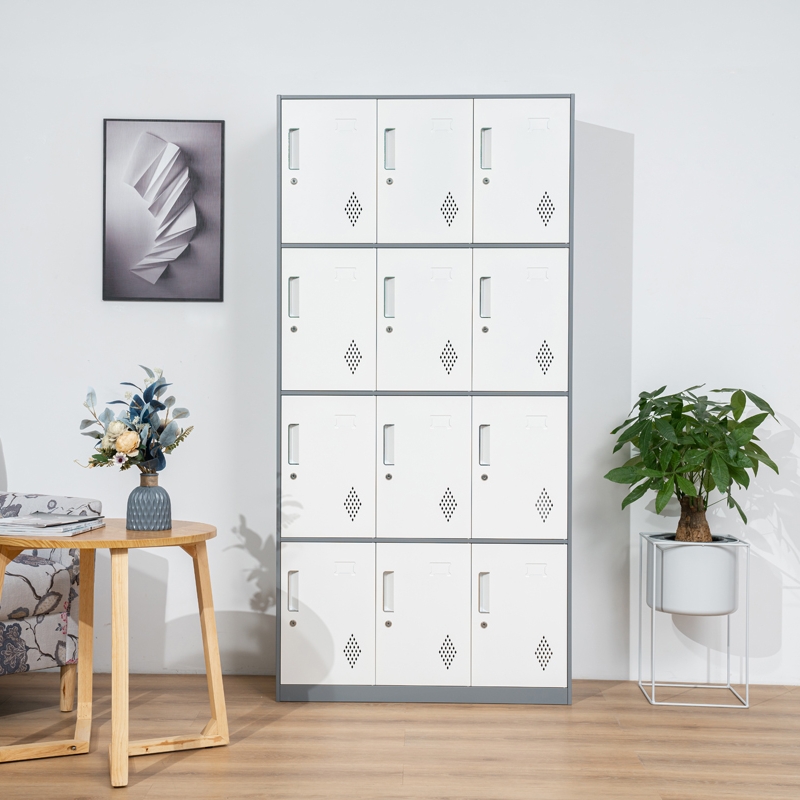
A facilities buyer held two requests open on the same morning. One came from a school corridor where backpacks, wet coats, and a fast bell schedule filled every compartment. The other came from a construction site where dusty tools, damp gloves, and rotating crews needed a place to lock up between shifts. The same catalog page seemed to answer both, yet the rooms asked for different things. Standing in each space, the buyer noticed airflow, puddles near the base, and how quickly a door could be identified. A storage locker chosen for one setting can quietly misfit the other.
What a School Corridor Asks That a Jobsite Does Not
Two Rooms, Two Kinds of Wear
In the school corridor, doors opened and closed with every class change, and the main complaint was clutter left in the wrong bay. Scuffs came from backpack zippers and wet sleeves, not from heavy tools. On the jobsite, the wear was different: grit on the floor, moisture tracked in from outside, and doors used by people who might not return the next week. Neither room abused a storage locker in the same way, so a single specification could not serve both. The first useful step was to write down what each room actually did to a door.
Reading the Air in Each Space
Airflow separated the two requests more than any finish choice. A school corridor is often warm, crowded, and closed over a long holiday, so damp coats sit in a compartment with little circulation. A site cabin faces dust and sudden wet weather, and a sealed box keeps that moisture against the steel. Vent slots at the top and bottom of a door let air move through without opening the compartment. Standing near a closed bank and feeling whether air passes is a simple field check. That observation shaped the storage locker order more than a color sample did.
Why Humid Air and Dust Change the Order
Where Moisture Finds a Steel Panel
Moisture does its work at edges and feet. A panel cut and folded for a door has returns and weld spots where coating can thin, and a base that sits in a puddle invites trouble from the floor up. Degreasing and phosphating before an electrostatic powder coating give the finish a better hold, and a raised plinth keeps the lower edge clear of standing water. On a site, a storage locker set directly on a wet slab showed rust at the bottom return first. Ask where the water goes before choosing a finish.
What a Single Unlabeled Door Costs
Numbering sounds like an office detail until a door must be opened quickly. On a rotating crew, an unlabeled compartment means a supervisor hunting through keys while a shift waits, or a personal lock left on the wrong bay. A clear number tied to a key register, a label slot, or a master override turns a bank into something manageable. The risk is administrative, but it slows work and creates disputes over missing items. ANSI Z535.4 covers product safety signs and labels, a useful reference when a storage locker door carries a warning or an identification mark.
Vent Slots, Lock Grades, and Numbered Doors
How a Vent Slot Moves Damp Air
A vent slot works by giving moist air a path out and drier air a path in. Warm air rises, so slots cut near the top of a door let damp air leave, while lower slots admit replacement air; a single row of holes does far less. Louvered slots also keep fingers and small items from reaching the latch. The trade-off is dust, which is why a site bank may want fewer openings or a filtered detail. Decide the slot pattern from the room, then check a storage locker sample for burrs along each cut edge.
Lock Grades and Who Holds the Key
Lock choice follows turnover. A fixed school assignment suits a cam lock with a key register, since the same user returns each term. A site with rotating crews is better served by a padlock hasp, where each worker supplies a personal lock, or by a combination lock with a supervisor reset. RFID locks remove physical keys but add a control box and a power question. No option is universal; the fit depends on who holds the spare and how fast a door must be opened. Write the chosen hardware and the numbering logic into the storage locker specification.
Standards That Shape a Numbered Bank
Egress, Labels, and Process Control in Four Standards
OSHA 29 CFR 1910.37 addresses evacuation routes, so a bank placed in a corridor must not block a path workers or students use to exit. NFPA 101 concerns egress width and clear aisles, which sets the limit on how far a storage locker row can project into a hall. ISO 9001 sits behind the repeatable slot cutting, coating, and numbering that make a large order consistent, and a maker with a monthly output of 10,000 pcs can describe that routine in writing. ANSI Z535.4 covers safety labels on the door. Each document answers a different question.
Buying a storage locker: write the room into the order, naming vent slot pattern, raised base, coating pretreatment, lock type, and door numbering. Ask for one sample from each environment and a written key register plan. Compare how each sample handles moisture and identification before signing the purchase record.
Inspecting a storage locker on arrival: check vent slots for burrs, look for thin coating at folded returns and the base, confirm the lock matches the approved sample, and verify every number and label. Open and close each door and note any that binds before signing the delivery note.
Using a storage locker: keep the bank clear of egress routes, anchor a tall row, and keep vent slots free of tape or stored items. Tie each number to a key or code holder, allow damp gear to air out, and wipe standing water from the plinth.
Maintaining a storage locker: re-cut or clear blocked vent slots, touch up coating chips at the base promptly, and check that numbered labels stay legible. Review the key register when crews rotate, replace worn locks in matched sets, and re-level feet if a bay starts to rack.
Frequently Asked Questions
Q: Why do school corridors and construction sites need different locker specs?
A: A school corridor sees high door turnover, backpack scuffs, and damp coats stored over long breaks. A site cabin sees grit, dust, sudden wet weather, and crews who rotate between shifts. One room needs clear numbering and airflow; the other needs a raised base and tougher moisture control. A single catalog line rarely serves both, so write the room into the order.
Q: What does a vent slot actually do in a humid room?
A: It gives moist air a path out and drier air a path in. Warm damp air rises, so slots near the top of a door let it escape while lower slots admit replacement air. A single row of holes does far less. Louvers also keep fingers from the latch. Check cut edges for burrs and keep the slots clear of tape.
Q: How should lock grades be matched to user turnover?
A: Fixed assignments suit a cam lock with a key register, since the same person returns each term. Rotating crews suit a padlock hasp, where each worker supplies a personal lock, or a combination lock with a supervisor reset. RFID removes physical keys but adds a control box. Match the hardware to who holds the spare and how fast a door must open.
Q: When does a numbered door become a safety requirement?
A: Numbering matters whenever a door must be identified quickly, such as a supervisor override or an evacuation check. A clear number tied to a key register turns a bank into something manageable. Where a door carries a warning or identification mark, ANSI Z535.4 gives the label format. Treat numbering and labeling as part of the layout, not an office afterthought.
Q: Which label standard applies to safety signage on a locker?
A: ANSI Z535.4 covers product safety signs and labels, including the signal words, colors, and layout used on a door or frame. It applies when a compartment carries a warning, a capacity note, or an identification mark that must be read quickly. Ask whether the chosen label stock suits a dusty or damp room, and check legibility on the approval sample.
Q: How does egress width limit where a bank can sit?
A: NFPA 101 concerns egress width and clear aisles, while OSHA 29 CFR 1910.37 addresses evacuation routes. Together they set how far a row can project into a corridor before it narrows a path used to exit. Measure the clear width with the bank in place, keep doors from swinging into the route, and confirm the layout before delivery rather than after installation.