
 EN
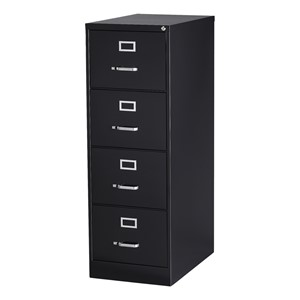
What Defines a Premium Steel Office Metal Cabinet Unit?
A premium steel office metal cabinet unit balances load-rated structural integrity, space-optimized configurations, and durable finishes that withstand decades of daily commercial use.
Core Specifications: Load Capacity, Dimensions, and Structural Integrity Standards
Core specifications separate genuine heavy-duty units from lighter residential alternatives. Industrial-grade steel cabinets are designed for rigorous daily use, with shelving units supporting up to 500 lb—far exceeding typical wooden cabinets. Welded frames and reinforced drawer slides maintain alignment under dense file loads and reduce racking in active office environments. Standard dimensions—1.80 m height × 0.90 m length × 0.50 m depth—optimize floor space while accommodating dense document archives. A premium unit carries a published load rating and exhibits consistent door and drawer reveal gaps. Industry durability data indicates steel cabinets can remain serviceable for 20–30 years with minimal maintenance. Procurement teams should request structural integrity test reports and confirm drawer slides, hinge points, and lock mounting plates meet commercial-use cycle standards—not occasional home-office benchmarks. Where possible, align specifications with ANSI/BIFMA X5.9 or equivalent commercial furniture standards for load and cycle testing.
Key Variants: Vertical, Lateral, Mobile Pedestal, and 1200 Series Configurations
Vertical, lateral, mobile pedestal, and 1200 series configurations each solve distinct storage challenges. Vertical units offer a narrow footprint ideal for compact offices and hallway rows. Lateral cabinets provide wider drawers and higher side-to-side capacity for active filing and bundled records. Mobile pedestal units support individual workstations and lockable personal storage. The 1200 series delivers standardized widths and modular height options suited to multi-site deployments. The table below compares primary selection drivers.
| Configuration | Best Use | Key Advantage |
|---|---|---|
| Vertical | Compact offices, narrow aisles | Small footprint, high vertical density |
| Lateral | Active filing, shared records | Wide drawer access, side-to-side load |
| Mobile pedestal | Under-desk storage, personal use | Mobility, lockable personal compartment |
| 1200 series | Standardized multi-site deployments | Modular sizing, consistent SKU fit |
Material & Finish Benchmarks: Heavy-Gauge Steel, Monoblock Construction, and Industrial Powder-Coat Durability
Material and finish benchmarks determine whether a steel cabinet retains its professional appearance after years of daily use. Heavy-gauge steel (20–22 gauge for door fronts and tops) provides unmatched strength and resistance to dents and distortion. Monoblock or single-body construction eliminates weak points at welded corner joints, improving long-term rigidity under load. Industrial powder-coat finishes create a hard, even surface that resists scratches, chemicals, and UV fading more effectively than liquid paint—and enhance rust prevention in humid or high-traffic environments. Buyers should specify corrosion-resistant phosphate pre-treatment and a minimum coating thickness for high-wear surfaces. A premium unit will retain consistent color and edge integrity after repeated opening, closing, and cleaning with commercial disinfectants. These benchmarks lower lifecycle replacement and refinishing costs across large office estates. Look for suppliers that document substrate gauge, powder-coat cure parameters, and ASTM B117 salt-spray test performance—ideally 500+ hours with no red rust on scribed edges.
Security, Durability, and Compliance for High-Traffic Office Environments
In high-traffic settings, a premium office metal cabinet must combine tamper-resistant access control with surfaces engineered for daily wear. Procurement teams should verify structural testing, locking cycle ratings, and finish performance before bulk deployment.
ANSI/BIFMA-Compliant Locking Systems and Tamper-Resistant Hardware
Locking systems should be tested to ANSI/BIFMA X5.9 or equivalent commercial storage standards. The lock core must withstand at least 25,000 operational cycles without failure, while three-point latching distributes force across the frame to prevent prying. Tamper-resistant hardware—including recessed cam locks and reinforced strike plates—reduces unauthorized access in open-plan offices and shared filing zones. Cabinets with continuous hinge welds and anti-tip interlock mechanisms show 30% fewer security failures over five years, per BIFMA durability data (2023). For high-traffic floors, specify keyed-alike or master-keyed options to simplify access management without compromising control.
Anti-Scratch, Corrosion-Resistant Surfaces Built for Daily Commercial Use
Surface finishes matter as much as structural steel. Heavy-gauge steel body panels with phosphate pre-treatment and electrostatic powder-coat layers resist scratches, scuffs, and humidity-driven corrosion. Leading suppliers validate coated panels to ASTM B117 salt spray for 500+ hours, with no red rust on scribed edges. While 25–30 gauge steel may dent under cart impact, 20–22 gauge is recommended for door fronts and tops. Thermally fused laminate tops or antimicrobial powder-coat options add hygiene value in healthcare or education environments. Demand a 10-year finish warranty covering peeling, chipping, and fading.
B2B Procurement Strategy: Optimizing Cost, Lead Time, and Scalability for Office Metal Cabinet Deployment
Procurement teams should evaluate total cost of ownership (TCO) rather than unit price alone. A scalable office metal cabinet strategy balances logistics, labor, lead time, and SKU complexity before rollout.
Assembled vs. Knock-Down (KD) Units: TCO, Labor, and Logistics Trade-Offs
Assembled units ship ready to place, minimizing onsite labor but increasing freight volume and warehouse footprint. KD units pack flat and can reduce freight volume by up to 35%, though they require scheduled assembly time. For large deployments, the TCO decision hinges on labor rates, damage claims, and installation speed.
| Cost driver | Assembled | Knock-down (KD) |
|---|---|---|
| Freight volume | Higher | Lower |
| Onsite labor | Low | Moderate |
| Storage density | Low | High |
| Lead time | Shorter | Slightly longer |
Choose assembled for urgent, low-volume needs; choose KD for multi-site rollouts with available assembly crews.
Bulk Ordering, SKU Rationalization, and Customization Pathways for Enterprise Rollouts
Bulk orders unlock tiered pricing, but SKU sprawl erodes savings through forecasting errors and fragmented warranty support. Rationalize around two or three core metal cabinet configurations for standard workspaces, reserving custom powder-coat colors or electronic locks for compliance-heavy locations. Each unique SKU increases minimum order quantities and production lead times; lock upgrades can add two to four weeks. Procurement data shows consolidating SKUs can reduce inventory carrying costs by 12–18%. The most scalable pathway is a phased rollout on one cabinet platform, then adding controlled options only after baseline volume is stable.
Supplier Evaluation Criteria for Reliable Steel Office Metal Cabinet Partners
When shortlisting partners for your office metal cabinet sourcing program, evaluate production capability, quality systems, and financial stability before focusing on unit price. A dependable supplier should provide clear product specifications, packaging details, loading quantities, and customization options before order confirmation. Key selection criteria include:
- Experience in commercial office and high-traffic environments
- Consistent lead-time performance across repeat orders
- Documented quality assurance and product warranties
- Flexibility in customization and private-label requirements
- Responsive customer service and stable production consistency
Request sample products, technical drawings, and references from existing B2B customers. For multi-location rollouts, production consistency often outweighs small unit-price differences—reducing long-term total cost of ownership.
FAQs
What are the core specifications of a premium steel office metal cabinet?
Core specifications include a high load capacity (up to 500 lb per shelf), precise dimensions (e.g., 1.80 m height, 0.90 m length, 0.50 m depth), and structural integrity standards like welded frames and reinforced drawer slides that meet commercial cycle standards.
What types of configurations are available for steel office cabinets?
The primary configurations include vertical cabinets for narrow spaces, lateral cabinets for wider storage needs, mobile pedestal units for personal storage, and 1200 series for modular, standardized requirements.
What finish and material standards should I look for?
Premium cabinets use heavy-gauge steel (20–22 gauge), monoblock construction for durability, and industrial powder-coat finishes for resistance to scratches, fading, and corrosion.
How can I ensure security and durability in high-traffic office environments?
Look for cabinets with ANSI/BIFMA-compliant locking systems, tamper-resistant hardware, and corrosion-resistant coatings tested under ASTM B117 standards.
What factors should be considered for large-scale procurement?
Consider total cost of ownership (TCO), assembled vs. knock-down units, bulk ordering for tiered pricing, SKU rationalization, and lead-time scalability for efficient rollout.
Table of Contents
- What Defines a Premium Steel Office Metal Cabinet Unit?
- Security, Durability, and Compliance for High-Traffic Office Environments
- B2B Procurement Strategy: Optimizing Cost, Lead Time, and Scalability for Office Metal Cabinet Deployment
- Supplier Evaluation Criteria for Reliable Steel Office Metal Cabinet Partners
- FAQs