
 EN
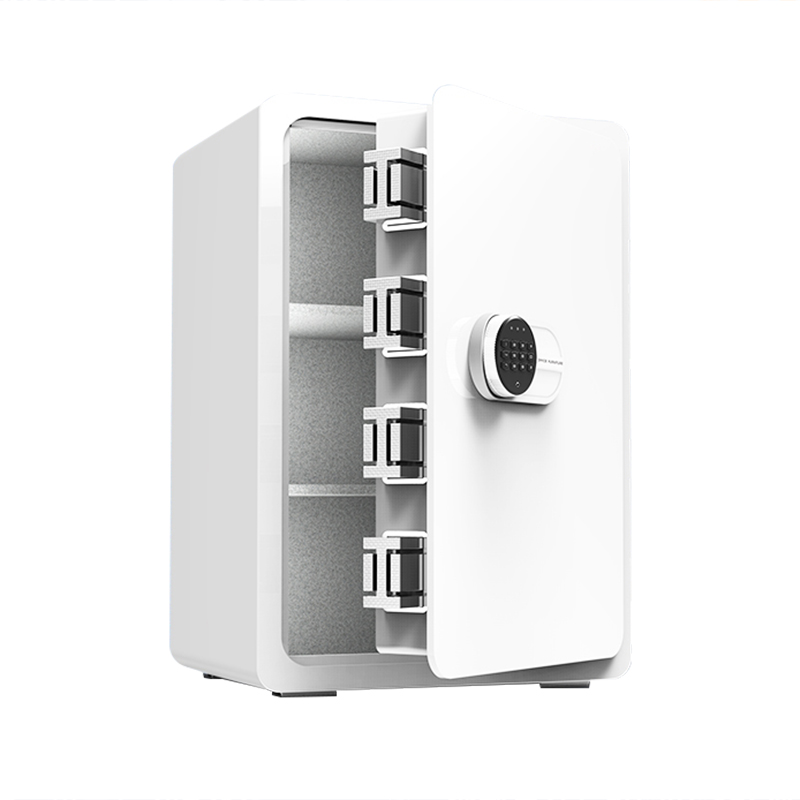
A records manager consolidated four departmental cabinets into one large safe and expected the queues to disappear. Instead, the finance team stored archive boxes at the front, legal filled the back with files nobody could reach without unloading everything, and the spare key lived in a drawer that three teams could open. The cabinet had solved a floor-space problem and created a workflow problem. A large safe suits a B2B buyer when the capacity, the access tiers and the daily traffic are designed as one system, not when a bigger box is dropped into a room and the departments work it out among themselves.
When a bigger cabinet creates new problems
Consolidation is usually the reason to buy a large safe. It is also the reason big units underperform.
Buying volume before agreeing what fills it
A quoted large safe internal volume tells a buyer very little about usable capacity. Ask for the clear dimensions of each shelf, the shelf load rating, the maximum door swing in the intended room and the reach distance to the back corner. Then list what will actually be stored: archive boxes, lever arch files, media cases, sealed bags of keys, or equipment. A heavy duty large safe filled to its nominal volume is hard to audit, because retrieving one item means moving six others. Decide on zones, shelf heights and a simple index before the order is placed, and put them in the internal layout drawing.
One key list shared by four departments
In a large safe deployment, access control gets harder as the number of users rises. Decide who holds the master code, who may reset it, how a leaver’s code is retired and whether different tiers need separate compartments or a second lock. A resettable combination lock to UL 768 suits high turnover, but the reset procedure still needs an owner and a dated log. Where several teams share one door, a single shared code gives no useful record of who opened it. Ask for the code custody rule in writing and check the operating instruction sheet before the units ship. A large safe with a loose key register is a shared cupboard with a heavier door.
Matching capacity to the daily workflow
The useful large safe question is not how much can fit. It is how often the door opens and what each opening involves.
How many openings the door will actually take
A large safe may be opened dozens of times a day rather than twice. That traffic puts wear on hinges, bolt guides, the strike plate and the keypad, so ask for a documented lock cycle test and check the hinge count and backing plates behind them. A full-height door is heavy; look at the opening angle and the space needed for somebody to stand with a box in both hands. Request spare handles, hinge pins and lock bodies under the same drawing revision. A heavy duty large safe specified for high traffic should still close with one hand after a busy quarter, and that outcome comes from the hardware layout rather than from the sheet thickness alone.
Sorting contents by class, not by convenience
Different contents need different protection: UL 72 sets separate classes by internal temperature, so a large safe rated for paper files will not automatically suit backup tapes or drives. Where theft is the main risk, UL 687 and EN 1143-1 address attack resistance under different test regimes, with EN 14450 covering lighter secure storage in S1 and S2 classes. Decide which class each zone needs, then check that the chosen unit actually carries that rating for the whole internal volume. A sealed insulated box also holds moisture, so a desiccant position and periodic airing belong in the site procedure.
The standards behind a shared-unit choice
Read the standards as answers to the room’s questions rather than as a stack of certificates.
Choosing between UL 72, UL 687 and EN 1143-1
Begin with the site’s risk register when choosing a large safe. Fire exposure around paper archives points to a UL 72 class with the right content type; tool attack on valuables points to UL 687 or EN 1143-1; low-value shared equipment may sit under EN 14450. Grades do not convert neatly between systems, so check which standard the site’s insurer or facilities policy recognises. Request the report with the exact model code, the tested configuration and the anchoring method from an ISO/IEC 17025 accredited laboratory. ISO 9001 speaks to whether a second unit ordered next year will use the same hinges and barrier layers. ANSI Z535.4 covers the user label, which should state the maximum loaded weight.
Where OSHA, NFPA and ANSI meet the floor plan
On the buyer’s side, OSHA 29 CFR 1910.176(b) and OSHA 29 CFR 1910.22 set expectations for stable storage and sound walking surfaces, while NFPA 1, NFPA 101 and NFPA 70 govern placement, escape width and any powered keypad circuit. ANSI/BIFMA X5.9 and EN 14073-2 with EN 14073-3 give stability and strength criteria where a large safe doubles as office storage. Ask the facilities team to confirm the allowable floor loading at the exact position and to choose the anchoring fastener for the actual slab, screed or raised floor. That decision belongs in the installation file, not in the furniture quotation.
Keeping a shared unit in service
Write one large safe page for the records room: the zone index, shelf load limits, the code or key custody rule, the reset procedure, the desiccant replacement interval and the quarterly inspection items. Inspect the gap at the latch, hinge screws, bolt guides and levelling points on a fixed date. Clean the seal with a pH-neutral cloth and keep grit out of the bolt guides; any chip in the coating at a folded edge should be sealed again before moisture creeps under the film. A keyed cylinder takes dry graphite rather than oil, and each code change and service visit belongs in the log against the asset number. A heavy duty large safe chosen with the workflow in mind stays easy to audit, which is the reason to consolidate in the first place.
Frequently Asked Questions
Why does quoted internal volume mislead a buyer?
A large safe volume figure says nothing about shelf clear heights, shelf load ratings, reach distance to the back corner or the door swing available in the room. A unit filled to its nominal capacity is hard to audit because retrieving one item means moving several others. List the intended contents, agree zones and shelf heights, and put the internal layout into the drawing before the order is placed.
How should access be managed across several departments?
Name an owner for the master code, a documented reset rule and a process for retiring a leaver’s code. A resettable combination lock to UL 768 suits high turnover, but a single shared code gives no useful record of who opened the door. Where different tiers are needed, consider separate compartments or a second lock. Check the operating instruction sheet and code custody rule before the unit ships.
What changes when a door opens dozens of times a day?
Hinges, bolt guides, strike plates and keypads see far more wear, so ask for a documented lock cycle test and check the hinge count and backing plates. Look at the opening angle and the standing space needed when somebody carries a box. Order spare handles, hinge pins and lock bodies under the same drawing revision. A high-traffic unit should still close with one hand after a busy quarter.
Can one rating cover paper files and backup drives?
UL 72 separates classes by internal temperature and content type, so a class suited to paper archives does not automatically protect magnetic or digital media. UL 687 and EN 1143-1 address attack resistance, with EN 14450 for lighter secure storage in S1 and S2 classes. Decide the risk for each zone and check the report names the exact model and the whole internal volume.
Who confirms the floor and anchoring?
The factory supplies the empty weight, maximum loaded weight, base footprint and fixing point locations. The building’s engineer or facilities team confirms allowable loading at that exact position and chooses fasteners for the actual slab, screed or raised floor. OSHA 29 CFR 1910.176(b) and OSHA 29 CFR 1910.22 are relevant to stability and floor condition; record the decision in the installation file.
What does a quarterly inspection cover?
Check the door gap, hinge screws, bolt guides and levelling points, then record any code change or service visit against the asset number. Replace desiccant in a fire-rated unit, wipe the seal with a mild neutral cleaner, avoid solvent sprays and abrasive pads, and touch up chips at folded edges. Use dry graphite rather than oil in a keyed cylinder. A dated log keeps a shared unit auditable.