
 EN
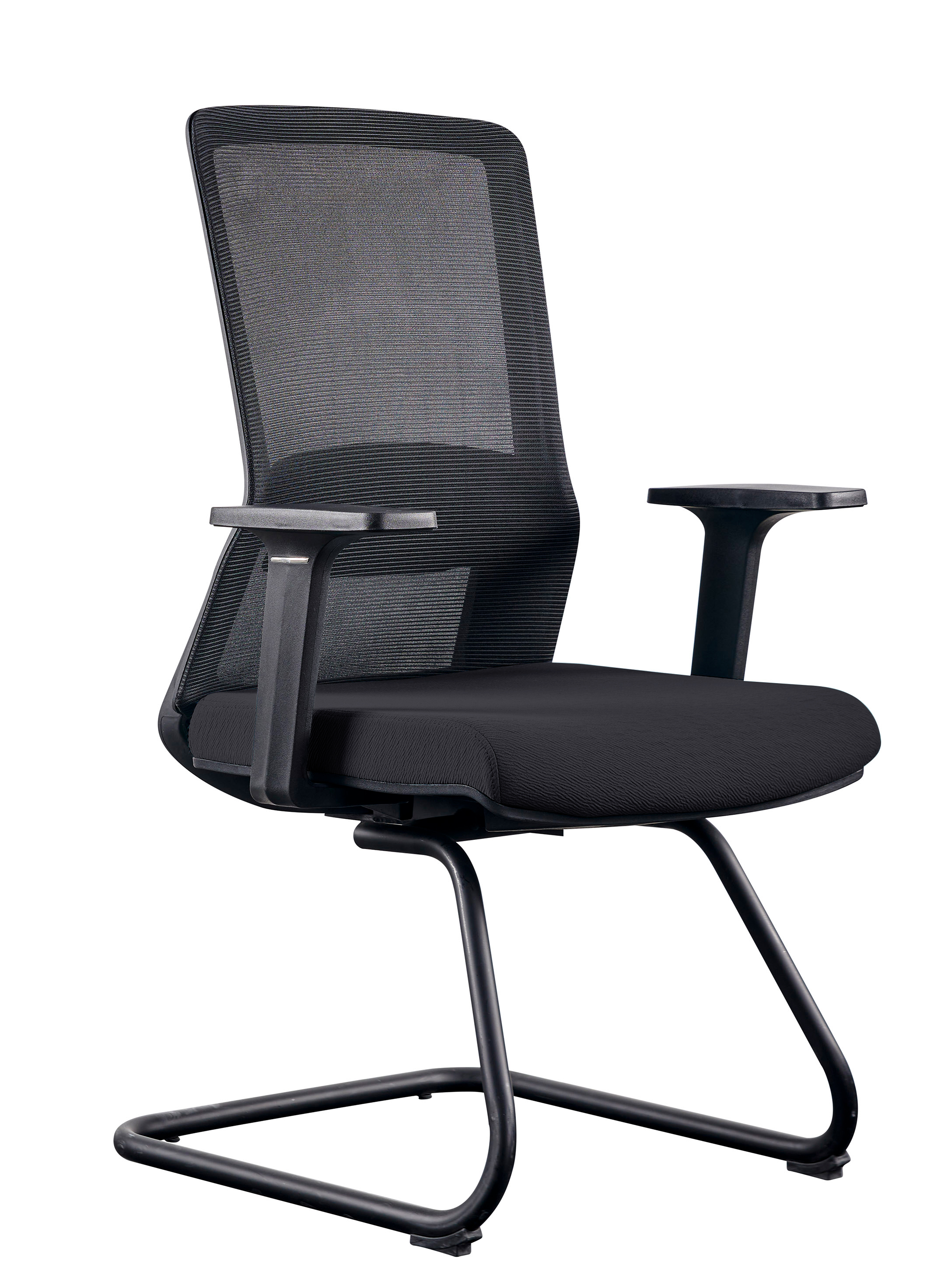
Heavy-Duty Construction: Frame, Base, and Lift Engineering for Commercial Longevity
Heavy-duty commercial seating starts with structural engineering—not just thicker leather. A leather office chair built for B2B environments must combine a reinforced frame, stable base, and durable gas lift. These three systems determine whether seating survives multi-shift use or fails within the first year.
Reinforced Steel or Aluminum Frames with 300–400 lb Weight Capacity
A 300–400 lb rated chair requires a frame that resists torsional and impact stress. Reinforced steel offers high tensile strength and predictable weld performance; aluminum alloys reduce weight and resist corrosion in humid or coastal facilities. Either material works when engineers use gusseted joints, full-circumference welds, and thick-wall tubing. Steel frames typically use 2.0–2.5 mm wall tubing with powder-coated finishes to prevent rust. Aluminum frames often use 3.0 mm extruded profiles with TIG-welded corners. The Business and Institutional Furniture Manufacturers Association (BIFMA) X5.1-2023 standard sets a 300 lb proof load for general office seating; heavy-duty models test to 400 lb to create a safety margin. Load-bearing plastic parts fail earlier under daily 300 lb cycles and should be excluded from high-traffic B2B settings. Facilities teams should request frame material grades, weld inspection reports, and powder-coat thickness—these documents reveal true long-term durability beyond marketing labels. When comparing suppliers, ask for the maximum static load before permanent deformation: 400 lb is the practical floor for heavy-duty commercial seating. A rigid frame also keeps the leather seat surface evenly tensioned, reducing seam stress and premature wear.
Stable 5-Point Bases, Dual-Wheel Casters, and Grade-3 Gas Lifts for High-Traffic Use
Stability in heavy-duty commercial seating depends on the integrated performance of the base, casters, and gas lift. A five-point base spreads 300–400 lb loads evenly and resists tipping during leaning, reaching, or reclining. Aluminum bases offer higher rigidity than nylon; reinforced nylon can work if ribbing is thick and well-integrated. Dual-wheel casters reduce point pressure on carpet and tile while rolling smoothly over thresholds. Grade-3 gas lifts support repeated height adjustments under heavy loads—and are tested per BIFMA X5.1-2023 for 100,000 cycles at rated load with minimal height loss. This matters in shared offices where multiple users adjust the chair daily. Replaceable casters and gas lifts extend service life without replacing the full chair. Buyers should verify caster stem diameter, hood material, and floor compatibility before purchase. A stable base also protects the leather seat from abrasion caused by uneven movement. In high-traffic facilities, dual-wheel casters with polyurethane treads reduce noise and floor damage. A wider base span directly improves stability scores in BIFMA tip-over tests. Spec sheets should list base diameter, caster wheel material, and lift certification.
Premium Leather Upholstery: Identifying True Durability in a Leather Office Chair
Top-Grain vs. Full-Grain vs. Bonded Leather — Material Integrity and Lifecycle Performance
Choosing a durable leather office chair starts with understanding material grades, because the term “leather” covers very different quality tiers. Full-grain leather uses the entire hide except hair, preserving natural grain and tensile strength. It develops a rich patina and often lasts 7–15 years with conditioning every 6–12 months. Top-grain leather has the outermost grain sanded or buffed to remove imperfections, then finished with a protective coating. This creates a more uniform appearance and strong stain resistance, though it trades some natural breathability for surface consistency. Bonded leather is made from shredded leather scraps bonded with polyurethane onto a fabric backing. It may look premium at first, but its thin surface layer is prone to peeling. For B2B buyers, full-grain and top-grain options typically deliver lower lifecycle costs because their surface integrity supports reconditioning and longer replacement cycles.
Cracking, Fading, and Delamination Risks in Low-Grade Leather Under Daily B2B Use
Low-grade and bonded leather fail quickly in high-traffic office environments. Cracking occurs when the polyurethane coating loses plasticizers from heat, UV exposure, and body oils—repeated flexing opens visible fissures. Fading happens when thin pigments or dyes break down under sunlight or aggressive cleaning chemicals, leaving uneven, worn-looking patches. Delamination—the most visible failure—is the separation of the polyurethane layer from its fabric backing, exposing fibrous substrate and shedding flakes. These defects undermine professional appearance and increase maintenance complaints. B2B buyers should request Martindale abrasion results above 50,000 cycles and UV stability data before purchasing. For daily multi-shift use, full-grain and top-grain leather resist cracking and delamination better than bonded or bicast products. Even premium leather requires conditioning every 6–12 months to prevent drying. Avoid “leather match” designs with vinyl side panels, because uneven wear makes replacement more difficult.
Ergonomic Adjustability: Supporting Diverse Users and Maximizing Productivity ROI
A leather office chair built for B2B deployment should be evaluated on adjustability—not just frame strength or upholstery grade. Independent controls for seat height, seat depth, backrest tilt tension, and 4D armrests let one chair model support a 5'0" dispatcher, a 6'5" manager, and alternating shifts without requiring multiple SKUs. Leading ergonomic standards base these ranges on the 5th percentile female to 95th percentile male (BIFMA G1 2013). Height- and depth-adjustable lumbar support maintains neutral spine posture across different torso lengths and reduces slouching over long workdays.
For procurement teams, the ROI logic is direct. Employer ergonomics pilots have reported up to 50% fewer lost workdays and up to 75% lower workers’ compensation costs (Washington State L&I 2018). Tool-free controls also shorten onboarding in shared or hot-desking environments; users can adjust the chair in seconds without involving facilities.
Key adjustability checkpoints:
- Seat height and depth: supports shorter and taller users without pressure behind the knees.
- Backrest recline and tilt tension: allows postural change while keeping lumbar contact.
- 4D armrests: align with different desk heights and keyboard positions.
- Lumbar height and depth: reduces lower-back strain across torso lengths.
If a seated user cannot make these changes quickly and independently, ergonomic value drops significantly. Specifying an adjustable chair turns ergonomics from a compliance checkbox into a measurable productivity and retention asset.
B2B Value Drivers: Warranty Terms, Modular Repairability, and Total Cost of Ownership
5+ Year Comprehensive Warranties and Access to Replacement Parts for Leather Office Chairs
For B2B buyers, warranty length and repairability are central to total cost of ownership. A premium leather office chair backed by a five-year or longer comprehensive warranty indicates stronger frame welds, lift cylinders, and upholstery bonding. Equally important is modular access to replacement parts—gas lifts, arm pads, casters, and seat plates—so in-house facilities teams can repair chairs instead of replacing them. This approach reduces downtime and extends service life beyond the initial coverage period. Buyers should verify claim response times, parts availability windows, and coverage exclusions before committing to volume orders, because a low purchase price often hides higher long-term replacement and labor costs.
FAQ
What is the ideal frame material for heavy-duty leather office chairs?
Reinforced steel or aluminum frames are ideal because they provide torsional and impact resistance. Steel offers high tensile strength, while aluminum is lightweight and resists corrosion.
How can I identify a durable leather type for high-traffic use?
Full-grain and top-grain leather are recommended for high-traffic use as they resist cracking and delamination better than bonded leather, also offering a longer lifecycle.
What are the key adjustability features for ergonomic office chairs?
Key features include seat height and depth adjustment, backrest tilt tension, 4D armrests, and lumbar height and depth adjusters to accommodate diverse users.
Why are warranties and modular repairability significant for B2B buyers?
Long warranties (5+ years) and modular designs reduce replacement costs by allowing repairs rather than full replacements, ensuring better long-term investment in office seating.
Table of Contents
- Heavy-Duty Construction: Frame, Base, and Lift Engineering for Commercial Longevity
- Premium Leather Upholstery: Identifying True Durability in a Leather Office Chair
- Ergonomic Adjustability: Supporting Diverse Users and Maximizing Productivity ROI
- B2B Value Drivers: Warranty Terms, Modular Repairability, and Total Cost of Ownership
- FAQ