
 EN
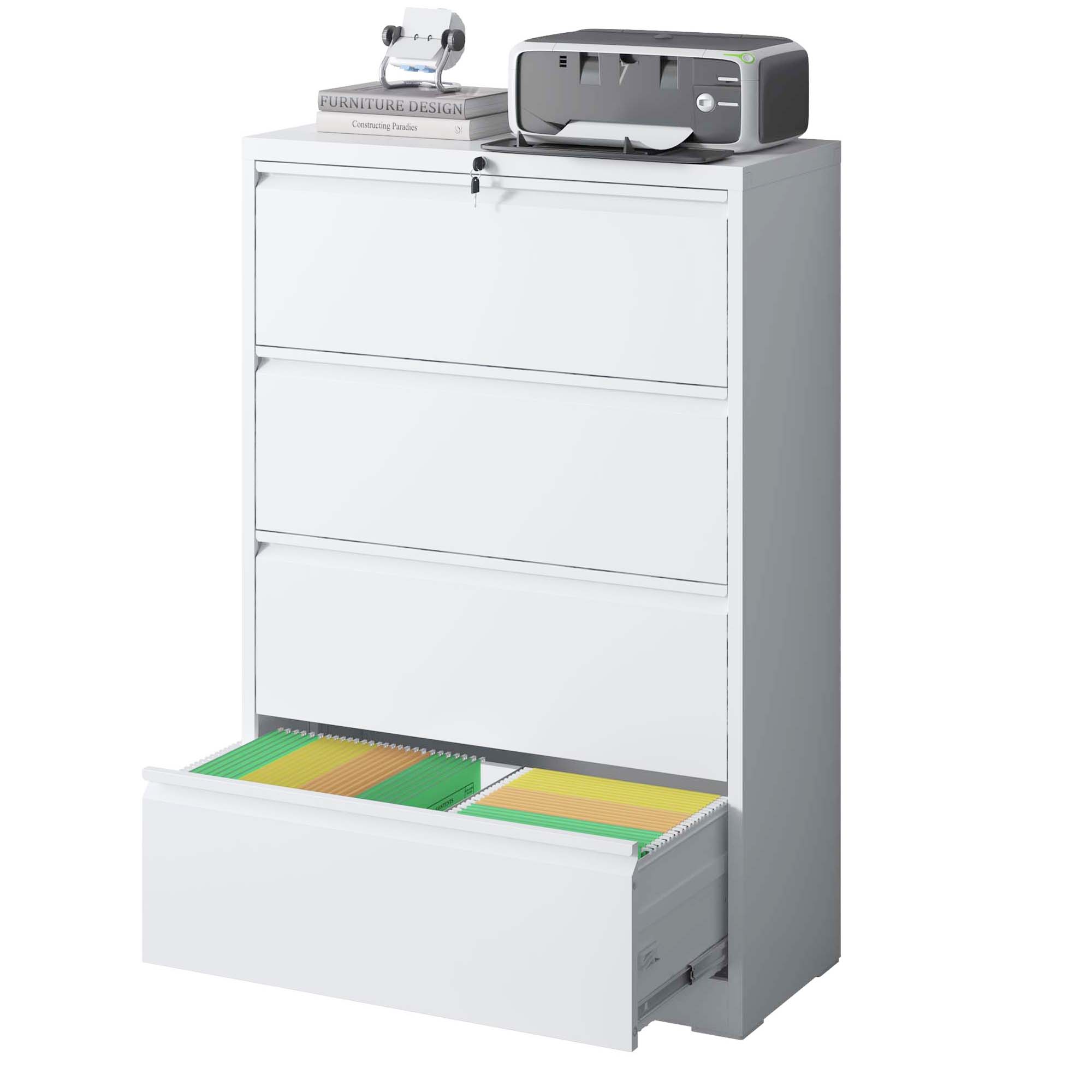
Key Structural and Material Specifications of Steel Tall Vertical Cabinets
Steel Gauge, Grade, and Corrosion Resistance for Long-Term Durability
Steel gauge directly determines load-bearing capacity and dent resistance in tall vertical cabinets. Most industrial units use 18-gauge (1.2 mm) cold-rolled steel conforming to ASTM A1008—a standard that balances weight, rigidity, and manufacturability for enclosures exceeding two meters in height. Shelf load ratings typically range from 100 kg to 500 kg per platform, depending on reinforcement ribs and span, as verified by independent 2023 supplier load-test data.
Corrosion resistance is equally critical: a multi-stage phosphate pretreatment followed by epoxy-polyester powder coating achieves salt-spray resistance beyond 500 hours (ISO 9227). Cabinets intended for washdown or outdoor storage often carry IP54 or higher ingress-protection ratings—sealing against dust and low-pressure water jets. To extend service life, specify zinc-plated fasteners and stainless-steel hinges, which are common failure points in untreated assemblies. Verifying gauge, finish, and component-grade specifications upfront prevents premature deformation, rust blooms, and costly replacements—making material validation a non-negotiable step in sourcing.
Weld Integrity, Frame Reinforcement, and Hinge Performance in Tall Vertical Cabinet Designs
Tall vertical cabinets experience amplified lateral stress at full height, making weld quality and frame reinforcement structural imperatives. Continuous MIG welding along corner seams delivers significantly greater torsional rigidity than intermittent spot welding, as confirmed by 2022 comparative fatigue testing. Full-penetration welds at load-bearing junctions reduce cracking risk under dynamic floor loads—such as when heavy tooling is slid across shelves. For cabinets taller than 1.8 meters, internal anti-sway braces or a rigid channel-reinforced back panel are essential to maintain squareness and prevent racking.
Hinge performance is safety-critical: commercial-grade continuous piano hinges—tested to 100,000 open-close cycles—preserve door alignment and prevent sagging that could compromise locking mechanisms. Load-balanced, full-extension drawer slides rated for 130 kg dynamic load further enhance usability and safety. During supplier audits, procurement teams should prioritize verification of welding method, brace placement, and hinge cycle ratings—key indicators that help avoid structural failures leading to workplace accidents and inventory damage.
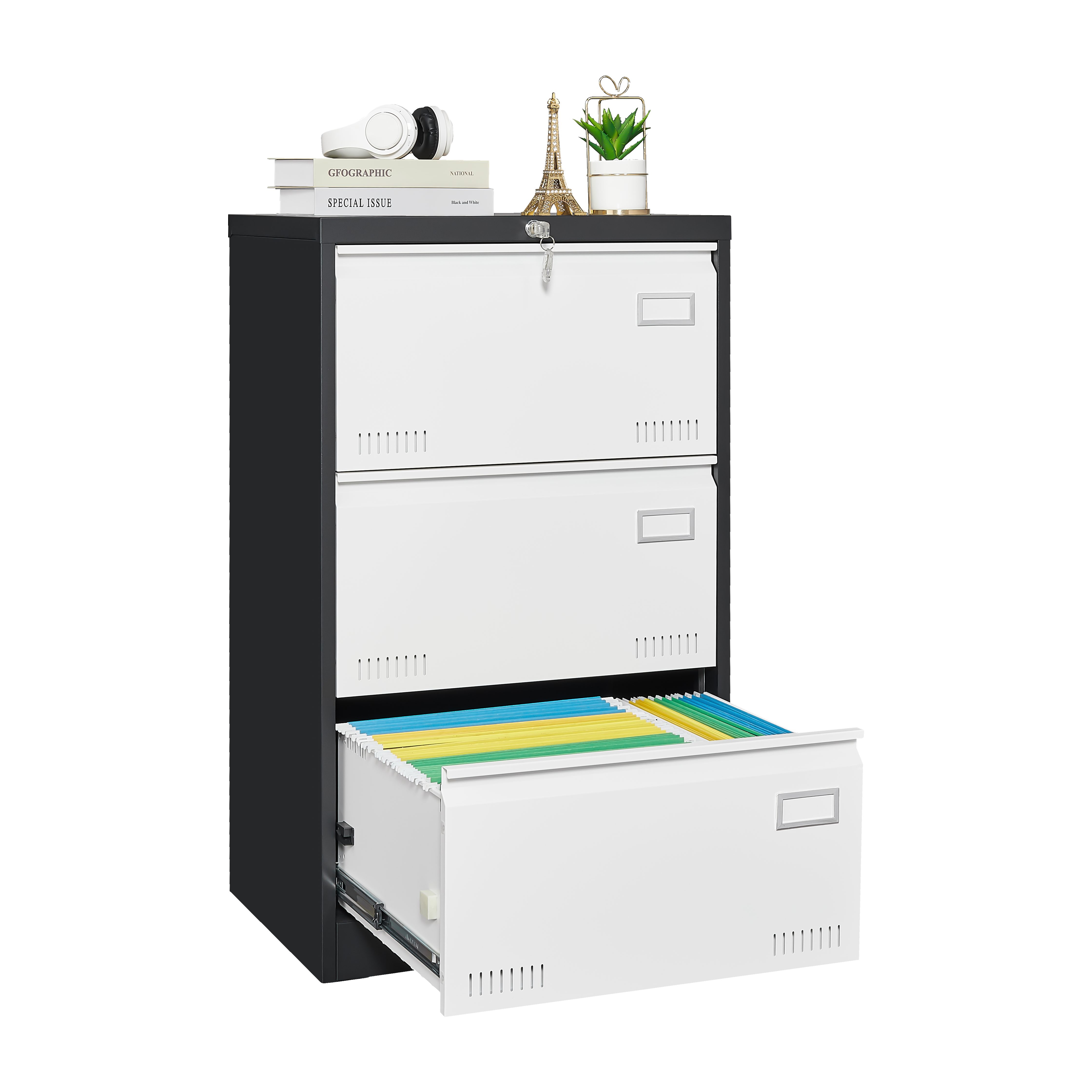
Critical Safety, Compliance, and Certification Standards for Industrial Tall Vertical Cabinets
OSHA, NFPA, and UL Requirements for Fire-Rated, Lockable, and Seismically Stable Units
Industrial tall vertical cabinets must comply with stringent fire safety, security, and seismic stability standards. OSHA’s 29 CFR 1910.106(d)(3) requires double-walled steel construction with a 1.5-inch air gap and self-closing doors for flammable liquid storage. NFPA 30 extends these requirements by mandating a 10-minute fire-resistance rating and prohibiting plastic components inside the cabinet. UL 1275 certifies complete assemblies, verifying that door mechanisms withstand 100,000 open-close cycles and internal temperatures remain below 325°F during a 10-minute fire test (UL, 2023).
Lockable security relies on ANSI/BHMA A156.11-2019 Grade 1 locks capable of resisting a 250-pound pull force. Seismic stability demands anchorage designs compliant with IBC 2021 and ASCE 7-22—typically using four-point floor bolting and reinforced base plates. Third-party testing to ICC-ES AC156 confirms cabinets remain upright after simulated 0.5g ground acceleration. With OSHA enforcement penalties for storage-related violations exceeding $5 million in 2022, compliance is not just regulatory—it’s a financial and operational necessity.
Ventilation, Hazardous Material Compatibility, and Load Distribution Protocols
For cabinets storing volatile chemicals, ventilation prevents dangerous vapor accumulation. While NFPA 30 discourages continuous ventilation unless required for worker health, NFPA 91 governs its implementation—requiring ducting away from ignition sources and non-sparking exhaust fans with internal flame arresters. Material compatibility must be validated using authoritative chemical resistance references, such as EPA 600/R-97/128. For example, sulfuric acid storage demands a 316L stainless-steel interior and spill containment sumps rated for at least 10% of total liquid volume.
Load distribution protocols ensure structural integrity: shelves must support 300 kg uniformly without deflection exceeding 3 mm, and base anchoring must reliably transfer seismic shear forces to the building structure. BIFMA G1-2013 ergonomic testing verifies smooth, stable operation of fully loaded drawers at full extension—reducing tip-over risk. Together, these integrated protocols mitigate fire, corrosion, and structural failure hazards.
Proven B2B Sourcing Strategies for Steel Tall Vertical Cabinets
Effective sourcing of steel tall vertical cabinets demands rigorous supplier vetting and strategic procurement practices. Below are actionable strategies that help commercial buyers secure durable, compliant units while maintaining cost control and supply chain resilience.
How to Evaluate Suppliers: Audit History, MOQ Flexibility, and Trade Assurance for Tall Vertical Cabinet Orders
Begin by requesting third-party audit histories—including ISO 9001 certifications or independent factory inspection reports dated within the last two years. A 2023 industrial purchasing survey found that 68% of buyers ranked audit transparency as their top criterion when selecting suppliers for safety-critical storage equipment. Assess Minimum Order Quantity (MOQ) flexibility: leading manufacturers often accommodate mixed-model orders or adjustable batch sizes to align with phased inventory planning. Insist on trade assurance mechanisms—such as escrow payment structures or performance bonds—to protect against late deliveries or quality deviations. Secure written commitments on lead times, defect liability periods, and after-sales service scope. These steps significantly reduce the risk of non-conforming units disrupting project timelines.
Bulk Procurement Best Practices and Tiered Pricing Models for Commercial Buyers
Consolidating tall vertical cabinet orders across multiple projects unlocks meaningful volume savings—bulk thresholds around 50 units often yield per-unit cost reductions of 12–18%, according to 2024 industry benchmarks. Request a tiered pricing matrix that clearly defines price breaks at increasing quantities, and where feasible, negotiate annual rate contracts with fixed terms to hedge against steel price volatility. To avoid excess inventory, structure partial shipment schedules aligned with project phases—and consider vendor-managed inventory (VMI) programs, where the supplier holds buffer stock based on your usage forecasts. Always evaluate total landed cost—including freight, duties, and handling—rather than ex-factory pricing alone. This holistic approach ensures bulk procurement delivers real, sustainable value—not just headline discounts.
FAQ Section
What steel gauge is commonly used for tall vertical cabinets?
Most tall vertical cabinets are constructed from 18-gauge (1.2 mm) cold-rolled steel conforming to ASTM A1008 standards for optimal weight, strength, and manufacturability.
What enhances the corrosion resistance of steel cabinets?
Multi-stage phosphate pretreatment followed by epoxy-polyester powder coating provides corrosion resistance, along with zinc-plated fasteners and stainless-steel hinges for additional durability.
What welding technique is preferred for tall cabinet durability?
Continuous MIG welding is preferred for better torsional rigidity and reduced cracking risk at load-bearing junctions.
Are there specific safety standards for industrial cabinets?
Yes, OSHA, NFPA, and UL standards cover fire safety, locking mechanisms, and seismic stability for compliance and safety.
How should cabinets for volatile chemicals be ventilated?
Ventilation should follow NFPA 91 guidelines, utilizing flame arresters and ducting away from ignition sources for safety.
Table of Contents
- Key Structural and Material Specifications of Steel Tall Vertical Cabinets
- Critical Safety, Compliance, and Certification Standards for Industrial Tall Vertical Cabinets
- Proven B2B Sourcing Strategies for Steel Tall Vertical Cabinets
-
FAQ Section
- What steel gauge is commonly used for tall vertical cabinets?
- What enhances the corrosion resistance of steel cabinets?
- What welding technique is preferred for tall cabinet durability?
- Are there specific safety standards for industrial cabinets?
- How should cabinets for volatile chemicals be ventilated?