
 EN
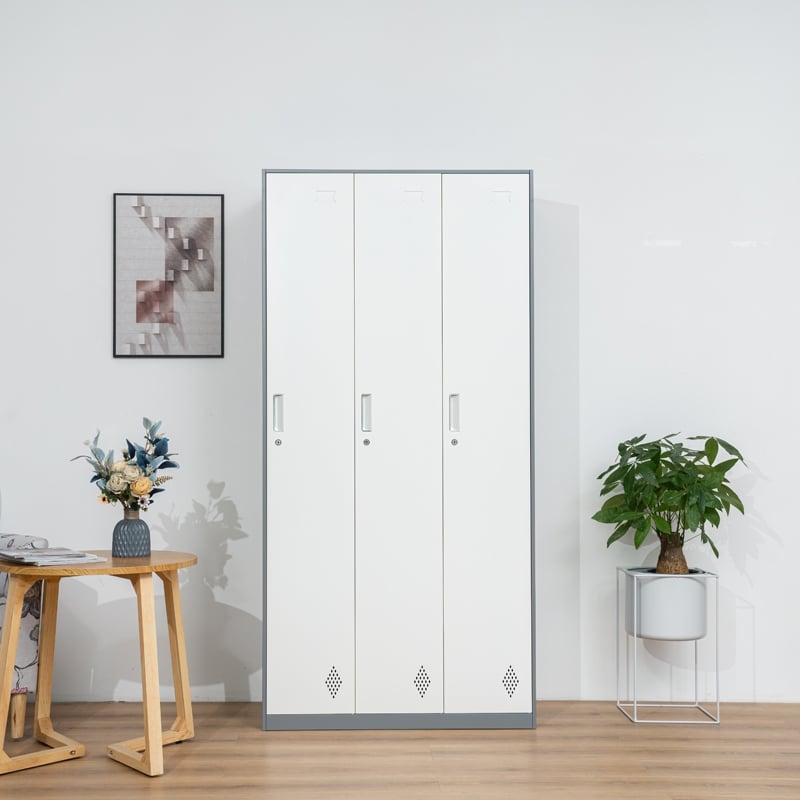
A regional office network bought an identical quality safe for every branch, then discovered that no two branches used them the same way. One stored paper files and opened the door twice a day. Another held signing keys, media backups and spare laptops, with six people needing access on a shift. A third had the unit standing on a raised floor that nobody had checked for fixing points. Same product, three different jobs. A quality safe becomes a good B2B purchase when the workflow, the fixing and the access rules are designed together, rather than when a single model is rolled out everywhere and the sites adapt as best they can.
Where shared-use storage breaks down
A quality safe that works for one person in a private office behaves differently when a whole team relies on it. The weak points are usually organisational.
Access rules that were never written down
With a quality safe, someone has to hold the master code, someone has to reset it when a colleague leaves, and someone has to decide what happens when a code is entered incorrectly several times. Without those rules, a quality safe ends up with a code written on a sticky note or a key passed around a shift. Where staff turnover is high, a resettable combination lock listed under UL 768 is easier to administer than a rekeying cycle, but the reset procedure and the custody rule still need a named owner. Ask for the operating instruction sheet before the units ship, and keep it under the same revision control as the drawing. A cabinet is only as secure as the routine around it.
Anchoring treated as an afterthought
A heavy quality safe is not the same as a fixed one. A tall unit with a door opening toward an aisle, or one standing on a raised floor, needs a fixing method chosen for the actual substrate. A rating is measured with the unit anchored in a defined way, so an improvised installation changes the conditions the report describes. Ask the factory for the fixing point locations and the anchoring description from the test, then let the site’s facilities team choose the fastener. OSHA 29 CFR 1910.176(b) expects stored material to be secured against sliding or collapse, and NFPA 101 concerns itself with keeping exit routes usable. Both belong in the floor plan, not in a conversation after delivery.
Matching the unit to the actual workflow
The right quality safe question is not how strong a box can be bought. It is what a site stores, how often the door opens and who needs to get in.
How many users, how many openings a day
A quality safe opened twice a day for archived files has a very different duty cycle from one opened forty times a shift for shared equipment. High traffic puts wear on hinges, bolt guides, the strike plate and the keypad, so specify a lock with a documented cycle test and ask whether spare cylinders, handles and hinge pins are available under the same drawing revision. Look at the door swing in the real room: a door that has to be held open while somebody reaches past it will be leaned on. Where several people share access, a wider internal layout with a shelf and a clear numbering rule reduces the fumbling that causes most wear.
What goes inside changes the rating you need
Inside a quality safe, paper records, magnetic media and digital media do not tolerate the same internal temperature, which is why UL 72 separates classes by content type. A unit with a fire class suited to paper files is not automatically suited to backup tapes or drives. Where the risk is theft rather than fire, UL 687 burglary classifications or EN 1143-1 grades are the relevant documents, with EN 14450 covering lighter secure storage in S1 and S2 classes. A quality safe that doubles as everyday office storage may also need stability and strength evidence under ANSI/BIFMA X5.9 or EN 14073-2 with EN 14073-3. Naming the contents first is the simplest way to avoid buying the wrong rating.
Standards that shape the site decision
Standards help most on a quality safe rollout when they are read as answers to site questions, not as a checklist of certificates to collect.
Reading UL 72, UL 687 and EN 14450 by use case
Start a quality safe choice with the risk register. Fire exposure around paper archives points to a UL 72 class with the right content type; tool attack on valuables points to UL 687 or EN 1143-1; low-value shared equipment may sit comfortably under EN 14450. Grades do not convert neatly between systems, so check which standard the destination’s insurer or facilities policy recognises. Ask for the report with the exact model code, the date and the anchoring method used. ISO/IEC 17025 is the accreditation to look for on the issuing laboratory, while ISO 9001 speaks to whether the next batch matches the first. A quality safe specification that names one standard and one model code is easier to defend than a folder of approvals.
Placing OSHA, NFPA and ANSI on the floor plan
OSHA 29 CFR 1910.176(b) covers secure storage and handling of heavy units before and during installation. NFPA 1 and NFPA 101 concern placement, fire loading and exit routes, and NFPA 70 may apply where a powered keypad is wired in. ANSI Z535.4 covers the wording and symbols on the user label, which matters when a rollout spans several sites or language regions; request the artwork before printing. REACH and RoHS declarations cover the coating and any electronic components. Add the coating checks too: ISO 2409 and ISO 9227 or ASTM B117 results tell a buyer whether the finish will still look right after a few years of cleaning around a busy doorway.
A routine that keeps a quality safe in service
Write one page for the site: who holds the master code, how a reset is recorded, what is stored on which shelf, when desiccant is replaced in a fire-rated unit, and which parts get inspected each quarter. Wipe the door seal with a mild neutral cleaner, keep solvent sprays away from the powder coat, touch up chips at folded edges, clear dust from the bolt guides and use dry graphite rather than oil in a keyed cylinder. Log every code change and every service visit against the serial number. A heavy duty quality safe that is specified this way is easy to roll out to a new branch, because the access rules, fixing method and inspection sheet already exist. That repeatability, rather than a single impressive specification, is what makes the purchase work for a B2B buyer.
Frequently Asked Questions
How should a site decide which rating it needs?
Start a quality safe decision with what is stored and what the plausible risk is. Paper archives point to a UL 72 fire class with the right content type; valuables exposed to tool attack point to UL 687 or EN 1143-1, with EN 14450 covering lighter secure storage. Check which standard the destination’s insurer recognises, then request the report with the exact model code and the anchoring method used. A fire class does not answer a theft question.
Who should control the code or master key?
For a quality safe, name one owner in the site procedure, along with a documented reset rule, a record of every change and a process for when a colleague leaves. A resettable combination lock under UL 768 suits high turnover, but the operating instruction sheet still needs to exist before the units ship. Keep that sheet under the same revision control as the drawing, so a later branch uses the same routine.
Does a heavy cabinet still need anchoring?
Yes. A tall unit with a door opening toward an aisle, or one on a raised floor, should be fixed with a method chosen for the actual substrate. Ratings are measured with the unit anchored in a defined way, so ask for the fixing point locations and the test description. OSHA 29 CFR 1910.176(b) expects stored material to be secured, and NFPA 101 keeps exit routes usable.
What changes when many people share one unit?
Door cycles multiply, so hinges, bolt guides, strike plates and keypads see far more wear. Ask for a documented lock cycle test and order spare cylinders, handles and hinge pins under the same drawing revision. Check the door swing in the real room and keep the internal layout simple, with a shelf and a clear numbering rule. Shared access also makes the code custody rule more important.
Which standards belong on the site floor plan?
OSHA 29 CFR 1910.176(b) covers handling and storage of heavy units, NFPA 1 and NFPA 101 cover placement and exit routes, and NFPA 70 may apply to powered keypad wiring. ANSI Z535.4 covers label artwork. REACH and RoHS declarations cover materials, while ISO 2409 and ISO 9227 or ASTM B117 results describe the coating. Put these in the installation file alongside the anchoring decision.
What does a sensible quarterly inspection include?
Check the door seal, the hinge screws, the bolt guides and the levelling or fixing points, then record any code change or service visit against the serial number. Replace desiccant in a fire-rated unit, wipe the seal with a mild neutral cleaner, avoid solvent sprays and abrasive pads, and touch up chips at folded edges promptly. Use dry graphite rather than oil in a keyed cylinder. A dated log makes the next order easier to specify.