
 EN
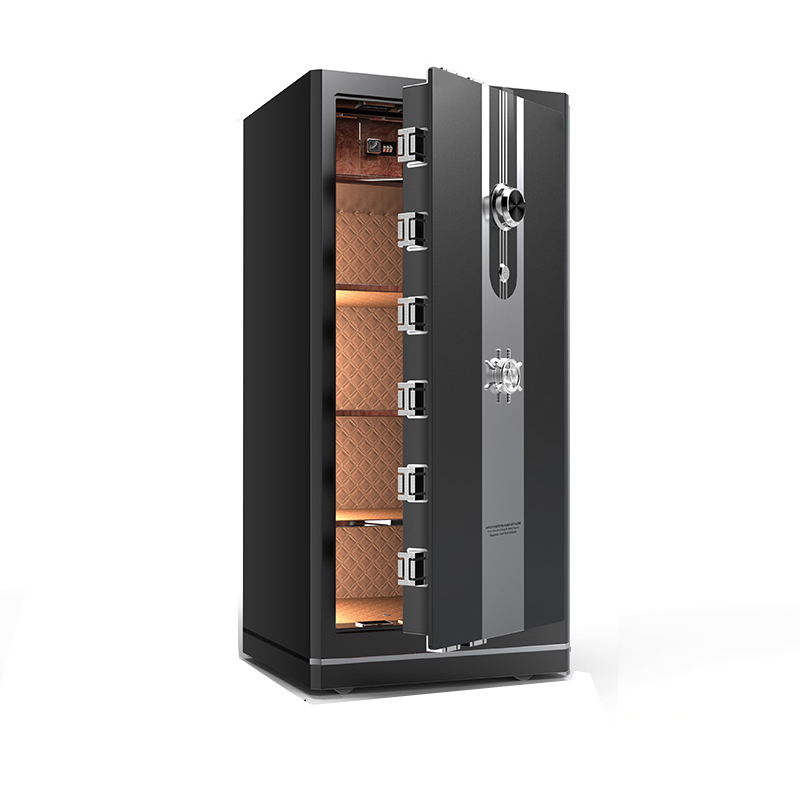
Core Strategic Placement Principles for a Secure Safe
A secure safe is only as effective as its placement. In commercial workplaces, location decisions affect theft risk, staff efficiency, and insurance compliance. The three principles below provide a practical starting point for deployment.
Proximity to High-Risk Asset Zones
Place the safe close to where cash, checks, payment cards, or high-value inventory are handled. This shortens the distance staff must travel with exposed assets and reduces the chance of interception. Finance and cash-counting rooms should never require crossing public corridors, reception areas, or exit lobbies. In retail and warehouse settings, safe placement near point-of-sale terminals or receiving docks limits the time cash remains unsecured.
Avoid extreme proximity to exterior doors or loading bays—common entry points during forced entry. Instead, position the safe inside a controlled room with a single access point, located away from exterior walls and public sight lines. Use the safe as a choke point for deposits, logging, and surveillance. This setup supports rapid deposit, controlled access, and natural monitoring—reducing the likelihood that a thief can grab the safe or its contents and exit quickly. If multiple departments handle assets, choose a neutral location accessible to all without crossing unsecured zones.
Visibility vs. Concealment Trade-Offs
Visible safes can deter casual theft by signaling protection to staff and visitors; concealed safes reduce discovery risk during short break-ins. The right choice depends on workplace traffic and monitoring—not personal preference.
In staff-only areas, visibility reinforces accountability and simplifies supervised deposits. In customer-facing zones or unmonitored hallways, concealment is usually preferable. Some organizations use decoy safes while keeping the primary unit hidden, but this adds complexity to key control and can cause operational confusion. A balanced approach is to install the safe in a locked room: visible to authorized staff, yet hidden from public sight lines. Security reviews from 2023 indicate concealed placement increases intruder search time, while visible placement supports routine monitoring—so match visibility to the room’s access level and oversight capability.
Structural Integrity and Anchor Requirements
The floor and wall structure must support the safe’s loaded weight. Concrete slabs are preferred; raised floors or wood joists may require reinforcement. Anchor bolts should engage the manufacturer’s recommended depth and use pre-drilled holes when available. Use a level during installation to avoid door alignment stress.
Bolting prevents removal—a common attack in commercial spaces—and reduces prying leverage and tipping risk. Check fire rating and moisture exposure if the location is near exterior walls or plumbing. If the floor is wood, a steel plate under the safe can spread the load and strengthen anchor points. Before final placement, test the lock and door movement. Confirm the safe does not tilt and that anchor bolts are torqued securely—protecting both contents and surrounding substrate.
Department-Specific Secure Safe Deployment Guidelines
Finance & Payroll Offices: Cash Handling and Compliance Needs
Finance and payroll areas handle cash, checks, and payment instruments, making them primary targets for internal and external theft. Cash on hand is one of the most frequent asset misappropriation targets in workplace fraud (Association of Certified Fraud Examiners, 2024). Position a secure safe within a restricted zone, directly adjacent to the cash-counting station and deposit preparation desk, so staff do not carry loose currency across general office space. Limit access to two designated roles—such as lead cashier and payroll supervisor—to maintain dual control and simplify audit reconciliation. Place the safe away from external walls, windows, and publicly visible corridors; an interior room with controlled entry works best. Install it on a reinforced floor with anchor bolts, and ensure the door swing does not face the main entry. For cash-intensive operations, use a TL-15 or TL-30 rated safe to meet insurance underwriting expectations. Schedule a monthly review of combinations and access logs, and require log-out of all cash at end of day. This reduces undocumented cash exposure and supports compliance with cash-handling policies.
HR Departments: Protecting Sensitive Personnel Records
HR offices store personnel files, payroll data, medical records, and disciplinary documents. A safe in HR should protect digital backup media and paper records containing personally identifiable information. Place the safe inside a locked file room or records vault—not at the reception desk or adjacent to waiting areas. Limit access to the HR manager and one backup records administrator, and keep the safe closed during business hours unless retrieving a file. Choose a fire-resistant safe with at least a one-hour rating if it holds original copies of employment contracts or insurance forms. Position the safe on an interior wall, away from sprinkler risers or water pipes, and bolt it to the floor or wall studs. Audit the contents quarterly, and pair physical access with role-based permissions in HR systems. This separation reduces the risk that casual visitors, temporary staff, or cleaning crews can view or remove sensitive personnel information.
Regulatory, Certification, and Insurance Requirements for Secure Safe Location
Aligning with UL 608, FFV, and Industry-Specific Compliance Standards
Placement of a secure safe should correspond to UL 608 burglar-resistance grades, FFV forced-entry and fire verification classes, and relevant local code requirements. Insurers frequently reject theft or fire claims when location and anchoring deviate from certified installation standards (2023). Choose a position that supports UL 608 tool resistance, with wall or floor anchors meeting FFV shock and drop-attack criteria. In cash-intensive sectors, rating thresholds may be tied to peak cash-on-hand or data sensitivity. Before installation, verify floor load capacity, anchor depth, and monitored alarm proximity; keep written compliance records for underwriting renewals. This alignment reduces claim disputes and strengthens regulatory audit outcomes.
Human-Centric Factors in Secure Safe Placement
Staff Access Patterns, Foot Traffic Flow, and Behavioral Risk Mitigation
Placement of a secure safe should align with how employees actually move through the workplace. Locate the safe along natural, observable routes rather than isolated corners to reduce coercion risk and unauthorized attempts. High foot traffic near the safe improves informal surveillance, while predictable access patterns let authorized staff retrieve items without disrupting workflows. Restrict sightlines from public areas to prevent casual observation, and position the safe away from high-stress bottlenecks. Simple behavioral cues—clear approach paths, adequate lighting, and minimal congestion—support compliance and reduce handling errors.
FAQ Section
Why is the placement of a secure safe so important?
Proper placement of a secure safe ensures that assets are protected from theft and unauthorized access while enhancing operational efficiency and compliance with insurance and regulatory requirements.
What is the best location for a safe in a workplace?
It depends on the nature of the assets being stored and the workplace environment. High-risk areas, controlled rooms, and locations away from public sight lines are generally recommended.
Should I choose a visible or concealed safe placement?
The choice depends on your workplace traffic and monitoring practices. Visibility deters casual theft but increases risks during break-ins, while concealment reduces theft chances but complicates monitoring.
Do safes need anchoring?
Yes, anchoring is crucial to prevent the safe from being removed or tipped over. Anchor bolts should meet the manufacturer’s recommendations for depth and strength.
How can I ensure compliance with regulatory or insurance requirements?
Ensure the safe meets UL 608 and FFV standards, corresponds to local codes, and aligns with your insurer’s certifications. Keep detailed installation and inspection records for auditing and claims purposes.